The political establishment is having collective hives over seven words spoken in the Oval Office: "I love the inflation. You know why?"
When the Consumer Price Index (CPI) hit an annual rate of 4.2% in May—spiked by the grinding war with Iran and the choking of the Strait of Hormuz—the media playbook was already written. Outlets were prepared to print the standard, hand-wringing obituaries about the death of the American consumer's purchasing power. Instead, the President looked at a three-year inflation high and applauded it.
Predictably, the opposition ran straight to X. Chuck Schumer decried the president's "contempt" for working families. Hakeem Jeffries joked that it was the only thing the man loved as much as himself. They treated it as a massive gaffe, a classic case of saying the quiet part out loud.
They are entirely wrong. The corporate media and professional politicians are playing checkers; the current economic reality is brutal, high-stakes chess.
When you strip away the partisan hysteria, the admission isn’t an insult to the American public. It is a raw, transactional peek into how modern warfare, monetary policy, and global energy dominance actually function. For decades, leaders have pretended that you can wage massive geopolitical campaigns, reshape global trade via aggressive tariffs, and enforce national security without paying a premium at the pump. This admission shatters that illusion.
The War Premium is Not an Accident
The lazy consensus dominating the financial press asserts that 4.2% inflation is an unmitigated disaster indicating a failing economic agenda. This view ignores basic macroeconomics.
We are currently locked in a hot conflict with Iran that has effectively bottlenecked the Strait of Hormuz—a transit point for 20% of the world’s petroleum. Of course energy costs spiked 23.5% over the past year. Of course gasoline is up 40.5%. To expect 2% inflation while bombs are dropping on radar installations in the Middle East is economically illiterate.
During my years advising institutional capital through sovereign debt crises, I watched corporate boards burn millions trying to hedge against "unexpected" inflation because they bought into the fairy tale that central banks can print stability. They can't. Inflation is the natural, inevitable friction of geopolitical realignment.
By stating he "loves" the inflation, the under-the-radar truth is established: price hikes are the explicitly accepted cost of a broader, high-risk strategy. The White House isn't hiding from the number because the number is the price tag for trying to permanently dismantle Iran's nuclear capability. The administration is gambling that the public will tolerate $4.15 gas if it means achieving total energy hegemony.
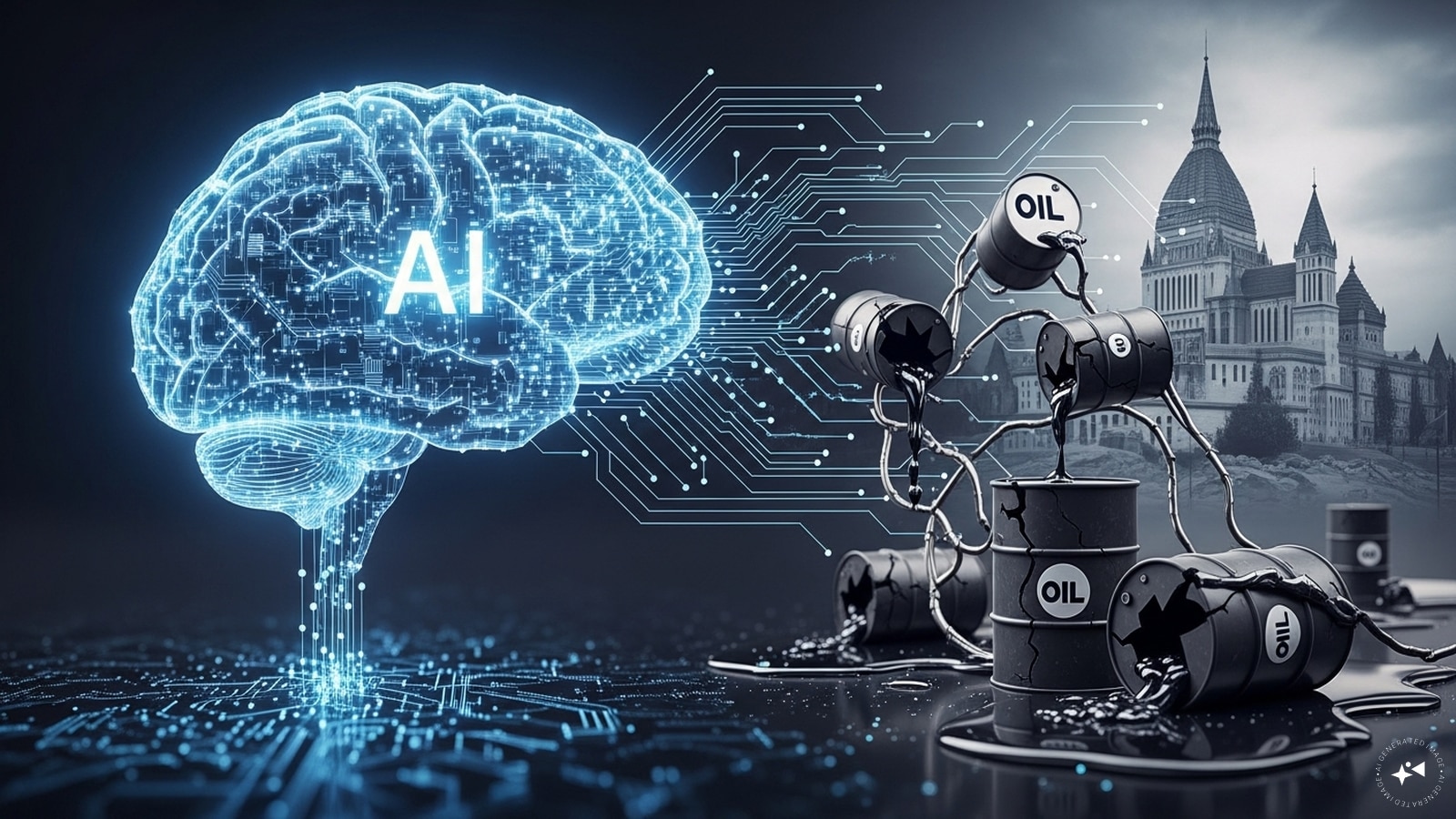
Consider the mechanics of the clandestine naval operations recently made public. The administration claims to have run dozens of commercial ships through the blockaded strait at night with no lights, extracting over 100 million barrels of oil under the nose of Iranian defenses.
[Global Energy Squeeze] ──> [Strait of Hormuz Blockade] ──> [Energy Prices Spike 23.5%]
                                        │
                         [US Night Operations Covert Supply]
                                        │
                                        ▼
                        [Crude Stabilized below $90/barrel]
Without those high-risk extractions, Brent crude wouldn’t be hovering around $94 a barrel; it would be past $130, and the CPI would be pushing double digits like it did in 2022. The 4.2% figure isn't a sign of failure; it is a controlled burn.
The Brutal Truth About Core vs. Headline Inflation
Every talking head on cable news intentionally conflates headline CPI with Core CPI because nuance doesn't generate clicks. If you want to understand the actual health of the domestic economy, you have to look at what happens when you strip out the volatile food and energy sectors directly impacted by the war.
When you isolate those factors, Core CPI for May actually rose a modest 2.9% annually. More importantly, the monthly core increase slowed to 0.2%—underperforming Wall Street's expectations.
What does that actually mean? It means the underlying American domestic economy is holding remarkably steady. The prices of tangible goods that policymaking can directly influence—prescription drugs, new vehicles, and auto insurance—are actively declining. The inflationary beast isn't a structural monetary collapse; it is almost entirely an energy tax dictated by foreign policy.
The downside to this perspective is obvious and painful: a family buying groceries or booking a flight doesn't care about the difference between headline and core data. A 26.7% annualized surge in airline fares feels identical whether it's caused by a drone strike in the Persian Gulf or a bad federal budget. The financial pain at the grocery checkout is real, and denying it is political suicide. But pretending the pain is caused by domestic failure rather than international strategy is a lie.
The Fed Facing a New Paradigm
The real battlefield isn't the grocery aisle; it’s the Federal Reserve’s upcoming meeting. For the past year, the central bank has held interest rates steady between 3.5% and 3.75%. The conventional economic playbook dictates that when inflation ticks up for three consecutive months, the Fed must raise rates to cool the economy.
But we are no longer operating under conventional rules. The newly appointed Fed Chair, Kevin Warsh, faces an unprecedented dilemma. The administration is openly demanding rate cuts, arguing that high interest rates are an artificial drag on an economy already burdened by a war premium.
If the Fed caves and cuts rates to stimulate growth while headline inflation sits at 4.2%, they risk superheating the market and turning a temporary energy spike into permanent structural inflation. If they raise rates to fight the 4.2% headline number, they risk triggering a severe recession by crushing a domestic market whose core indicators are already cooling perfectly.
The establishment is terrified because the President's comments signal a total rejection of traditional central bank independence. He is bet-hedging that the stock market's record highs and historic 401(k) balances give him enough economic runway to force the Fed's hand. It is a wildly dangerous game of chicken.
Stop Asking if Inflation is Bad
The public is asking the wrong question. The question isn't "How do we fix inflation?" The real question is "What are we willing to trade for it?"
For forty years, globalist economic policy prioritized cheap consumer goods above all else, outsourcing manufacturing to hostile nations and relying on fragile supply chains to keep costs low. The current paradigm turns that philosophy on its head. It posits that domestic strength, secure borders, and military dominance are worth the premium of higher shelf prices.
When the administration pushed through the Secure America Act alongside a massive immigration enforcement agenda, critics warned it would drive up labor costs and fuel further inflation. The administration's response has essentially been: so be it.
You cannot reshore industry, fund a multi-front geopolitical chess match, extract millions of barrels of crude via midnight naval operations, and still expect the artificial, rock-bottom prices of the 2010s. The higher cost of living is the premium Americans are paying for an aggressive transition toward national insulation and energy dominance.
The establishment media wants you to believe this is an accidental stumble. It isn't. It is the strategy. You don't have to like the price tag, but it's time to stop pretending the bill was an accident.