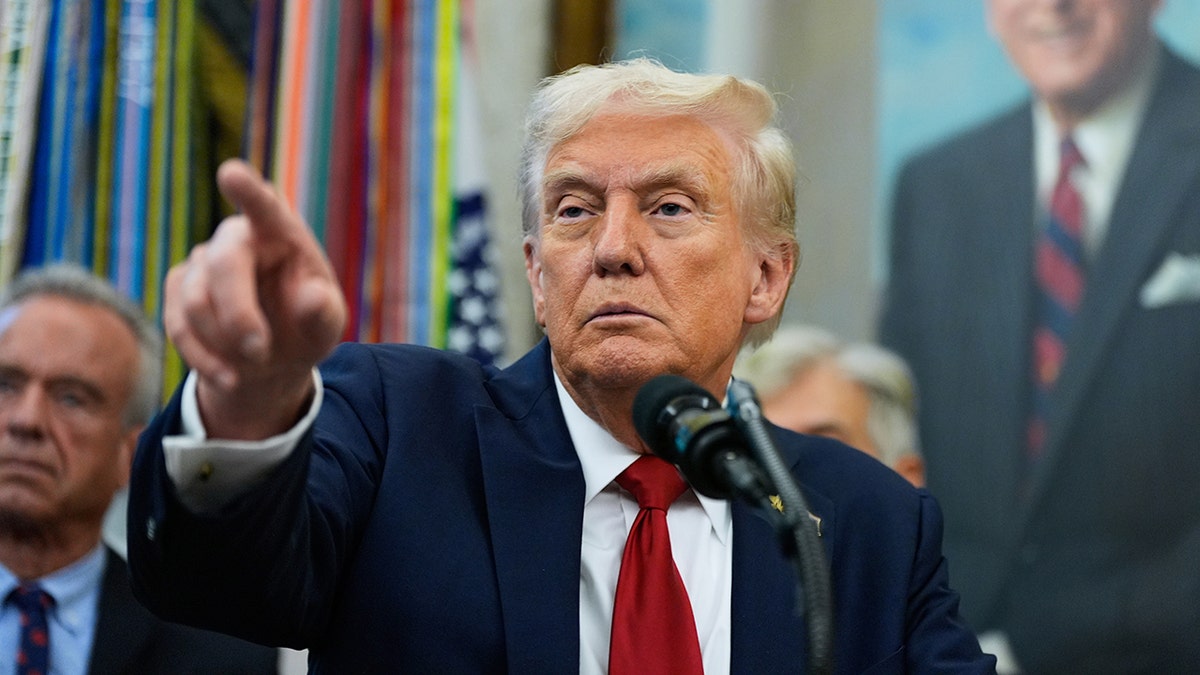
The disconnect between the White House and the data coming from major pollsters has never been wider. If you've been following the headlines about the ongoing conflict with Iran, you've seen the numbers. A recent Reuters/Ipsos poll suggests only 34% of Americans approve of the president’s job performance since the conflict escalated. Yet, if you listen to the president’s recent remarks, those numbers are nothing more than a fiction designed to weaken his hand at the negotiating table.
It’s a classic standoff. On one side, you have a series of surveys from Quinnipiac, Pew, and YouGov showing a public that’s increasingly wary of a long-term engagement. On the other, you have a president who insists his internal data tells a completely different story. Honestly, this isn't just about whether people like the war. It's about a fundamental disagreement over what "the public" actually thinks.
The numbers that started the fight
Pollsters aren't exactly painting a rosy picture. Most recent data shows that 53% of voters oppose military action against Iran. Even more striking is the opposition to ground troops, which sits at a staggering 74%. For a president who prides himself on being a "winner," these are tough pills to swallow.
The problem isn't just with the opposition party, either. While 85% of Republicans still back the strikes, the "middle" is falling away. Independents have seen a massive shift. Their approval of the Iran situation dropped from 30% to 24% in just a single week in March 2026. This is the "declining support" that the president has labeled as "fake polls."
Why the White House says the data is wrong
When the president calls a poll "fake," he isn't just venting. His team argues that these surveys are "lagging indicators" or, worse, intentionally biased. They point to the "rally 'round the flag" effect that usually happens during the first few days of a conflict, claiming that the current dip is a temporary reaction to rising gas prices rather than a rejection of the mission itself.
The administration’s logic is simple:
- Most people don't understand the technical nuclear threat.
- Media coverage focuses on the costs (like $4.18 per gallon gas) rather than the "wins" on the ground.
- Internal GOP polling shows much higher intensity among the core base.
There's also the "silent majority" argument. The White House believes that the average voter cares more about a "totally defeated" Iran than they do about a specific poll conducted over the weekend. They’ve even gone as far as to say that Iran itself is pushing "fake news" to make the US look divided.
The gas station factor
You can’t talk about war support without talking about the pump. Gas prices have surged, and for the average American, that’s where the war becomes real. The Economist/YouGov data shows a direct link: people who say gas prices are up "a lot" are significantly more likely to oppose the war.
It’s easy to support a "surgical strike" from your couch. It’s a lot harder when it costs $80 to fill up your truck. The president has dismissed this as "fake inflation," but the polls suggest that voters don't see it as a joke. They see a direct line between the strikes in the Persian Gulf and their shrinking bank accounts.
Breaking down the partisan wall
The most fascinating part of this data isn't the total number; it’s the divide. We’re living in two different countries.
- Republicans: 71% say the decision to use force was right.
- Democrats: 88% say it was the wrong move.
This isn't a "national" consensus; it's a tribal one. When the president sees these numbers, he likely focuses on the 71% of his base that’s still with him. To him, the "national" poll that averages everyone together is a distraction because it includes people who would never vote for him anyway.
What comes next for the administration
So, where does this leave us? The president isn't going to stop calling the polls fake. He’s doubling down on the "Operation Epic Fury" narrative, claiming the military is "way ahead of schedule."
If you're trying to figure out which side is right, stop looking at the top-line approval number. Instead, watch the "Independent" trend line. If that doesn't stabilize, the "fake polls" rhetoric won't matter because the political cost will become too high for the GOP to ignore.
The next few weeks are critical. If peace talks—which the president calls "very, very good" and Iran calls "fake"—actually happen, the numbers might bounce back. If not, expect the "fake news" attacks to get even louder as the 2026 midterms approach.
Keep an eye on the Strait of Hormuz. If the US Navy starts escorting oil tankers, as promised, and gas prices drop, the president might finally get the "real" poll numbers he’s looking for. Until then, take every "fake" claim with a grain of salt and every poll with a dose of skepticism.
Analysis of the confusing polling picture
This video provides a detailed breakdown of how different demographics, including veterans, view the conflict, explaining why the polling data seems so contradictory right now.