Donald Trump doesn't mince words when his broader geopolitical goals are on the line. He just confirmed that he used some serious expletives and called Israeli Prime Minister Benjamin Netanyahu "crazy" during a tense Monday phone call. The friction centers on Israel's ongoing, broadening military campaign against Hezbollah in Lebanon. From Trump's perspective, this secondary front is single-handedly stalling delicate, high-stakes peace talks between Washington and Iran.
The political stakes at home are massive. With midterms looming later this year, the Trump administration is feeling intense economic pressure. The ongoing conflict in the Middle East has kept global energy prices high and fueled market instability. For an administration running on domestic economic strength, locking down a swift diplomatic resolution to the Iran conflict isn't just a foreign policy goal. It's an economic imperative.
Inside the Pod Force One Admission
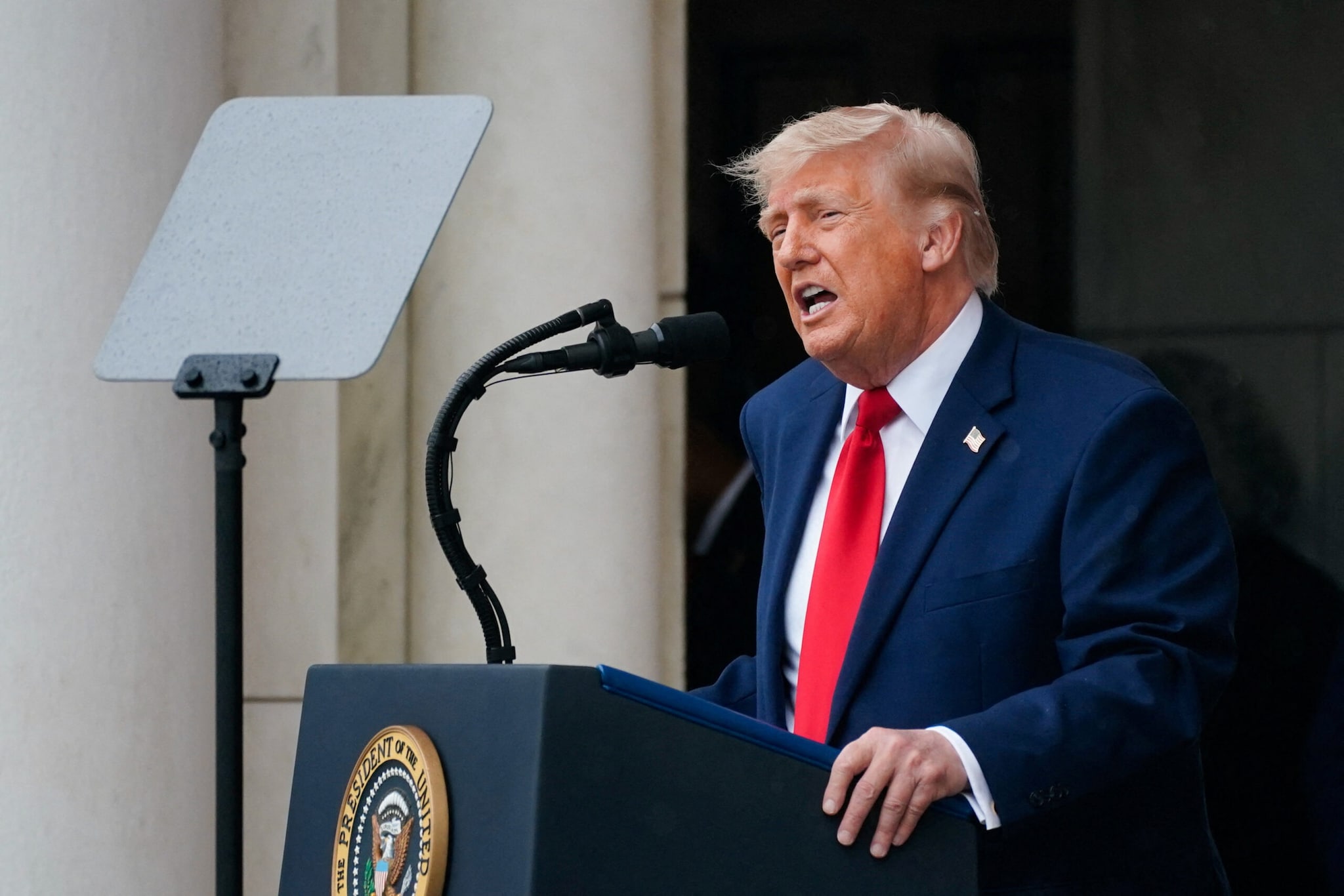
Trump spilled the details during a sit-down interview on the New York Post's Pod Force One podcast. When pressed on whether he lost his temper during the call with the Israeli leader, he clarified his stance.
"I wouldn't say angry. I was a little bit perturbed at his constantly fighting with Lebanon. You know, at some point I said, 'Bibi, we gotta stop this. We gotta stop it.'"
Despite the colorful language and direct pushback, Trump downplayed any permanent rift. He maintained that his underlying relationship with Netanyahu is solid, framing them both as "wartime leaders" who understand the harsh realities of executive power. He noted that they have worked well together historically and that he still likes the prime minister personally.
Netanyahu quickly echoed that sentiment during a separate interview on CNBC. Minimizing the friction, the Israeli prime minister categorized the blowout as standard "tactical disagreements" between close allies who ultimately share identical long-term objectives.
The Regional Chaos Upending Diplomatic Efforts
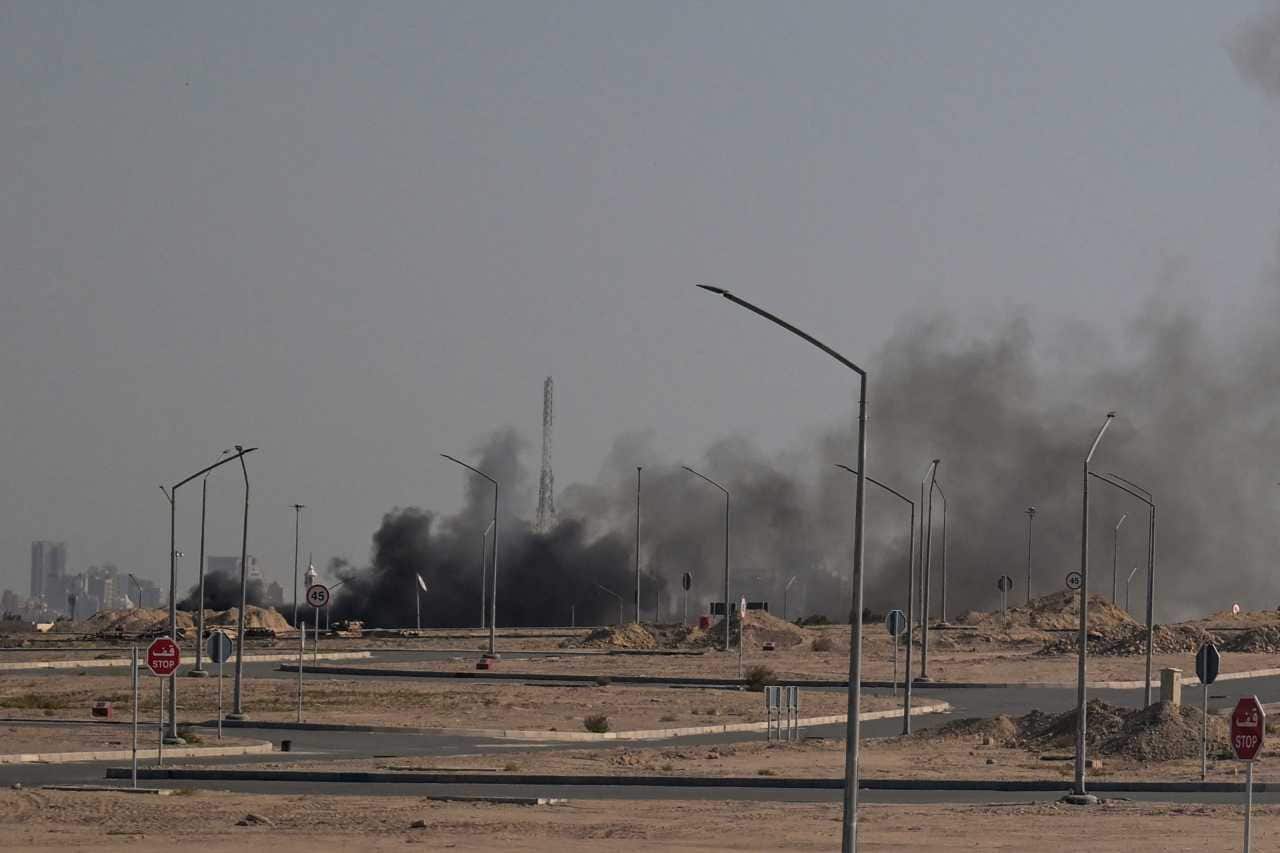
The friction comes as regional violence continues to threaten a fragile ceasefire agreement. Just hours before the podcast aired, Iranian drones struck the main passenger terminal building at Kuwait's international airport. The attack killed an Indian national, injured dozens of travelers, and forced a brief shutdown of the airspace.
This strike underscores the volatility of the region, where a U.S.-Iran conflict has increasingly bled into neighboring Gulf states. While U.S. Central Command reported it successfully defeated other missile and drone attacks in the Gulf and hit targets on Iran's Qeshm Island, the Kuwait airport incident shows that the conflict is far from contained.
Simultaneously, the situation in Lebanon remains messy. Israel and Lebanon had just negotiated a U.S.-brokered understanding to halt Israeli strikes on southern Beirut in exchange for Hezbollah stopping its rocket fire into northern Israel. Yet, an unannounced Israeli airstrike hit a vehicle on a busy highway in Khaldeh, just south of Beirut, threatening the next round of direct diplomatic talks in Washington.
What Both Sides Actually Want
The core issue stalling peace talks is that Washington, Israel, and Iran have fundamentally incompatible timelines.
- The U.S. Agenda: Trump wants the Strait of Hormuz reopened immediately to stabilize oil prices before the holiday season. He conceded the vital global shipping lane might remain blocked through the Labor Day holiday on September 7, but hopes for a quicker resolution. He also claims Iran has already conceptually agreed to halt its nuclear weapon ambitions.
- The Israeli Position: Netanyahu refuses to halt military operations in Lebanon without immediate, ironclad concessions. Israel wants Hezbollah completely disarmed before pulling its troops out of dozens of southern Lebanese border villages.
- The Iranian Stance: Tehran has explicitly conditioned any long-term truce with the United States on a full cessation of Israeli military actions against Hezbollah in Lebanon.
Adding to the complexity is a leadership shift in Tehran. Trump confirmed that Iran's new Supreme Leader, Mojtaba Khamenei—who took power after his father was killed in a joint U.S.-Israeli airstrike in February—is actively signed off on the peace talks. Trump noted that despite injuries Khamenei sustained in a recent airstrike, the supreme leader is still providing the necessary state approvals to keep the backchannel communications alive.
How This Impacts the Global Economy
If you want to know why Trump is pushing Netanyahu so aggressively to wrap up the operations in Lebanon, look directly at the gas pump. The blockade of the Strait of Hormuz has strained global energy supplies. In the podcast, Trump directly linked U.S. inflation and high domestic gas prices to the unresolved warfare with Iran, asserting that once energy prices stabilize, broader inflation numbers will flatten out.
For everyday consumers, this means the outcome of a phone call between Washington and Jerusalem directly dictates the cost of living. For investors, the timeline extending toward September means supply chain hiccups and energy volatility will likely persist through the summer.
The real next steps to watch won't just be the public statements from Trump or Netanyahu. Keep a close eye on the direct Israeli-Lebanese diplomatic meetings continuing in Washington. If those negotiators can secure a comprehensive, nationwide ceasefire in Lebanon, the roadblock preventing a broader U.S.-Iran peace deal disappears. Until then, expect more blunt, backroom friction between the U.S. and its closest Middle Eastern ally.