Donald Trump just declared victory over a 15-week war with Iran, telling the world to "let the oil flow." He claims his new framework peace deal will bring total stability to the Middle East. Don't buy the hype.
The ink isn't even dry on the Geneva agreement, and the entire framework is already coming apart at the seams. While Washington and Tehran celebrate a 60-day ceasefire extension and the reopening of the crucial Strait of Hormuz, Israel just dropped a massive wrench into the machinery.
Israeli Defense Minister Israel Katz announced that the Israel Defense Forces will remain in their newly seized buffer zones in southern Lebanon, Gaza, and Syria "indefinitely."
This creates an immediate, explosive contradiction. The US-Iran deal, brokered through frantic Pakistani mediation, explicitly mandates an immediate and permanent termination of military operations on all fronts. That includes Lebanon.
By refusing to leave, Israel is effectively daring both Donald Trump and Iran to make them. It's a high-stakes game of chicken that could reignite a massive regional war before the formal signing ceremony in Switzerland even happens this Friday.
The Secret Clauses and the Blatant Omissions
If you read the leaked drafts of this framework, it becomes obvious why Israel is furious. This isn't a comprehensive peace treaty. It's a temporary patch designed to ease a global energy crisis and stop a brutal 100-day conflict that began back on February 28.
The agreement relies on a 60-day window of technical talks. During this time, Iran gets immediate perks while kicking the hardest questions down the road.
- The Shipping Lanes: Iran agrees to clear mines and reopen the Strait of Hormuz within 30 days. Crucially, they won't charge transit tolls during the 60-day pause.
- The Economic Lifeline: The US lifts its crippling naval blockade on Iranian ports. Even better for Tehran, Trump is granting a waiver allowing Iran to sell oil immediately. Rumors also suggest the eventual unfreezing of $25 billion in Iranian assets.
- The Nuclear Promise: Iran reaffirms it won't build or acquire nuclear weapons, agreeing to dilute its highly enriched uranium stockpiles under strict monitoring.
But look at what's missing. The deal completely ignores Iran’s massive ballistic missile arsenal. It says absolutely nothing about defunding Tehran’s regional proxy network, including Hezbollah.
For Israeli Prime Minister Benjamin Netanyahu, this looks like a total American capitulation. Netanyahu promised his citizens that joining the US offensive in February would topple the Iranian regime and permanently dismantle its nuclear infrastructure. Instead, Trump settled for a truce of convenience just to get oil moving again.
Trump and Netanyahu Fought Behind Closed Doors
The tension between Washington and Tel Aviv isn't just diplomatic theater. It's personal, vicious, and playing out in real-time.
Just hours before the deal was announced, Israeli jets pounded Hezbollah targets in the southern suburbs of Beirut. The strike killed three people and nearly caused Iranian negotiators to walk away entirely.
Trump was livid. According to administration insiders, the US president launched into an expletive-laden tirade during a phone call with Netanyahu, openly questioning the Israeli leader's judgment. Trump followed up on Truth Social, warning all sides to "stand down" and protect the fragile peace.
But Netanyahu is trapped in a corner of his own making. He faces a brutal re-election campaign this year and relies heavily on far-right coalition partners like National Security Minister Itamar Ben-Gvir. Ben-Gvir went public immediately, warning Netanyahu that Israel is "not a banana republic" and cannot be bound by a deal it didn't help write.
Military historians in Jerusalem are already pointing out the cold reality. If Trump forces a humiliated Israel to withdraw from southern Lebanon right now, Netanyahu’s political career is over.
The Tragic Reality for Civilians in South Lebanon
While politicians argue over maps in Geneva, ordinary people are caught in a terrifying guessing game.
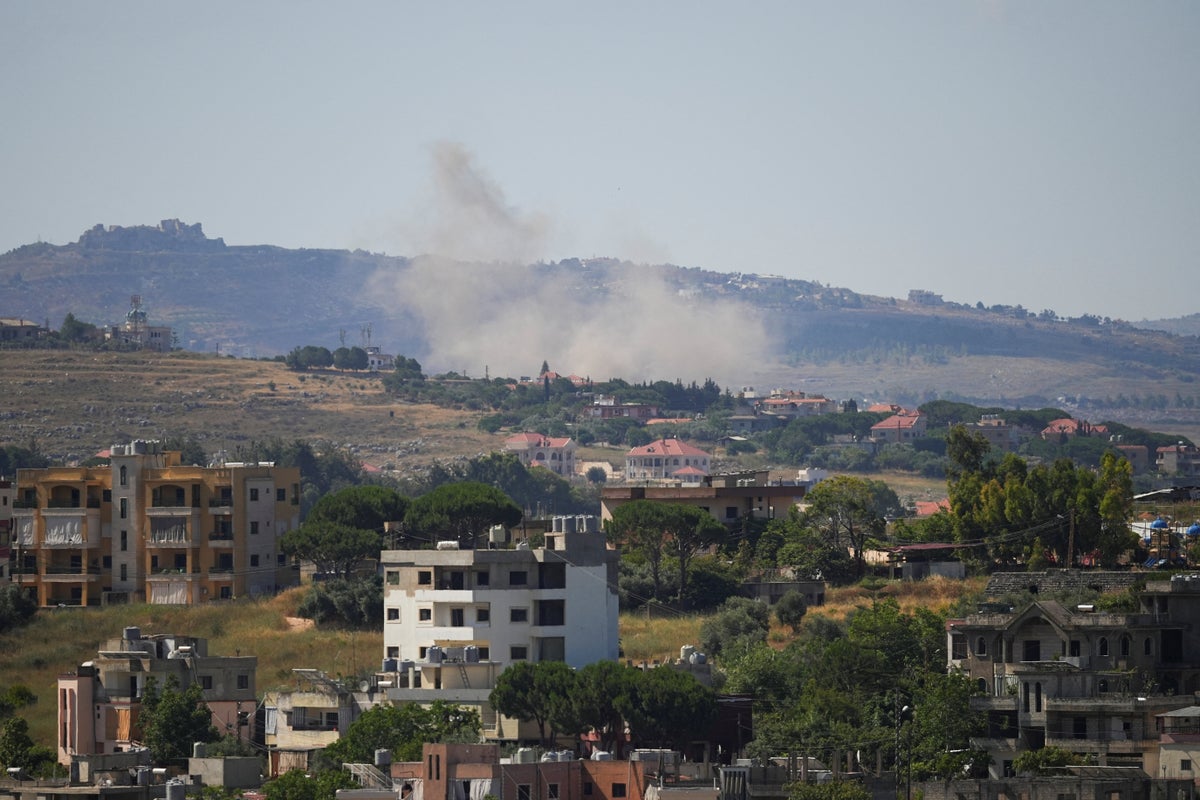
On Monday, thousands of displaced families crammed into cars and began flooding back into southern Lebanon. They wanted to check if their homes in cities like Tyre and Nabatieh were even standing after months of relentless bombardment.
Local leaders, like Mayor Hassan Dbouk of Tyre, are urging extreme caution. The Lebanese army has warned residents to stay away from frontline border towns and look out for unexploded cluster bombs.
The tragedy is that these families are returning to an active war zone masquerading as a truce. With Israel refusing to abandon its buffer zone, the chances of a stray rocket or a panicked border skirmish breaking the peace are incredibly high. Hezbollah has praised the US-Iran deal, using it to argue that Iran is the only power capable of protecting Lebanese interests. If the IDF stays, Hezbollah will eventually start shooting again.
Why This Ceasefire Won't Hold
The fundamental flaw here is that you can't decouple Iran from its proxies. Trump wants to treat the war with Iran as a isolated maritime conflict over oil shipping lanes. Israel views it as an existential struggle against an armed ring of fire on its borders.
By freezing Israel out of the negotiations, the Trump administration created a deal that looks great on paper but is impossible to enforce on the ground. Israel depends heavily on US military aid, but it has a long history of ignoring Washington's wishes when it perceives a direct threat to its borders.
If Israel maintains its indefinite occupation of southern Lebanon, Gaza, and parts of Syria, Iran will eventually face intense domestic pressure. Hardliners in Tehran are already marching in the streets, chanting against the compromises made by Foreign Minister Abbas Araqchi. They will easily convince the Supreme Leader to resume missile production if their allies remain under occupation.
Watch the Actions, Not the Speeches
Don't get distracted by the grand speeches at the upcoming signing ceremony this Friday. If you want to know whether this deal has a prayer of surviving, watch these three specific indicators over the next two weeks.
- The Geneva Logistics: Watch whether the technical committees actually establish verifiable benchmarks for Iran’s uranium dilution, or if the talks instantly stall over sanctions relief.
- IDF Movement: Look for any signs of the IDF reinforcing its positions or building permanent fortifications in the Lebanese buffer zone. If they dig in, the truce is dead.
- The Flow of Oil: Track the first civilian tankers attempting to cross the Strait of Hormuz. If Iran fails to clear its mines or hints at harassment, the global market will panic, and Trump's primary motivation for peace disappears.
This isn't the end of the Middle East crisis. It's just a temporary intermission while everyone reloads.