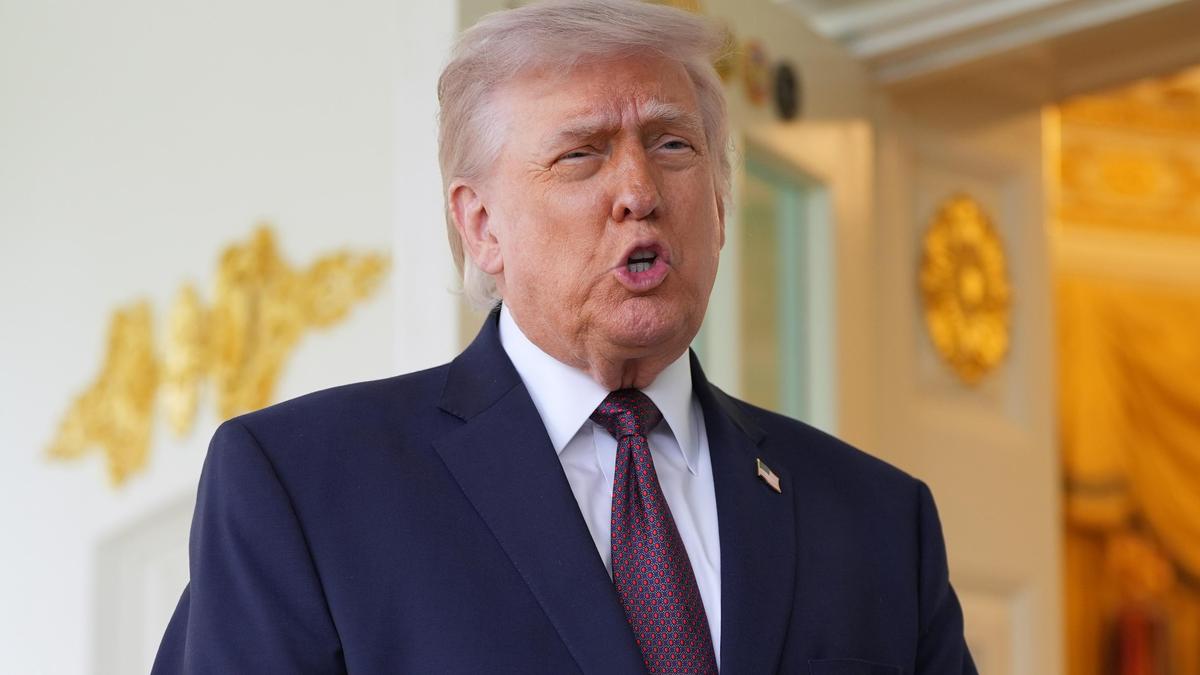
Donald Trump doesn’t do "turn the other cheek." We’ve known this for decades, but his latest brawl isn’t with a political rival in D.C. or a prosecutor in New York. It’s with the Vatican. On April 15, 2026, the President doubled down on his scorched-earth rhetoric against Pope Leo XIV, the first American-born pontiff. This isn't just a spat over a tweet. It’s a fundamental collision between the "America First" military doctrine and the moral authority of the Catholic Church during the height of the 2026 Iran War.
The tension reached a breaking point after Trump’s recent Truth Social tirade. He called Leo "weak on crime" and "terrible for foreign policy." Why? Because the Pope had the audacity to suggest that threatening to wipe out an entire civilization—as Trump did on April 7 regarding Iran—is "truly unacceptable." Trump’s response was classic: he claimed the Church only picked Leo to "deal with" him and that the Pope’s brother, Louis Prevost, is the one who’s "all MAGA."
The Nuclear Divide in the Middle East
The core of this fight is Iran. Trump’s administration has pivoted to a hardline military stance that makes the 2018 withdrawal from the JCPOA look like a minor disagreement. He’s told reporters at Joint Base Andrews that he’s "not a big fan" of the Pope because Leo won’t sign off on the U.S. naval blockade or the massive strikes on Iranian infrastructure.
For Trump, it’s about security and strength. He frames the war as a necessity to prevent a nuclear-armed Iran and stop the flow of drugs. For Pope Leo, it’s about the "idolatry of self and money" that drives modern conflict. While Trump boasts about destroying the Iranian Navy and Air Force, the Pope is reading letters from children in war zones.
- Trump's Stance: Military force is the only language Tehran understands. He believes God approves of the U.S. actions because "God is good."
- Pope Leo's Stance: "God does not bless any conflict." He’s warned that democracies are sliding into "majoritarian tyranny" where the loudest voice outweighs moral value.
Why the First American Pope is Trump’s Toughest Critic
Pope Leo XIV isn’t just some distant figure in Rome. He’s from Chicago. He understands the American psyche, which makes his criticism sting more for the White House. He isn't following the "quiet diplomacy" playbook of his predecessors. Instead, he’s using his platform to directly challenge the religious justification for the war in Iran.
Defense Secretary Pete Hegseth has frequently invoked Christian faith to justify the "crusade" against the Iranian regime. Leo isn't having it. During his Palm Sunday homily, he stated clearly that God doesn’t listen to the prayers of those who wage war. It’s a direct hit at the administration’s attempt to claim the moral high ground.
Trump’s reaction—claiming the Pope is a "radical left" politician—is a tactical move to alienate Leo from the 55% of Catholics who voted for the GOP in 2024. But it’s a risky play. Many American bishops, including Archbishop Paul Coakley, are starting to push back. They’re reminding the public that the Pope isn’t a political rival; he’s the Vicar of Christ.
The AI Image Controversy and the Sacred Symbolism
Nothing sums up this conflict better than the bizarre digital theater we saw on April 12. Just 46 minutes after attacking the Pope on social media, Trump shared an AI-generated image of himself depicted with biblical powers, looking remarkably like a messianic figure.
It was a bold, some say blasphemous, attempt to reclaim the "sacred" narrative. By positioning himself as a divine protector while calling the Pope "weak," Trump is trying to redefine what it means to be a "Christian leader" in 2026. The Vatican’s response, via Jesuit Fr. Antonio Spadaro, was cutting. He called Trump’s attacks a "declaration of impotence," suggesting the President is terrified of a moral voice he can’t control or buy.
Real World Consequences of the Rift
This isn't just about hurt feelings at the Holy See. This rift has actual diplomatic and domestic consequences.
- Voter Alienation: Moderate Catholics are the "swing" demographic. If they see Trump as actively hostile to the Papacy, that 2024 landslide margin could evaporate in the midterms.
- Global Alliances: European leaders like Giorgia Meloni and Pedro Sánchez have sided with the Pope. This isolates the U.S. further as it tries to maintain a coalition against Iran.
- Internal GOP Friction: Catholic members of the GOP are being forced to choose between their party leader and their spiritual leader. That’s a choice most politicians hate to make.
If you’re watching this play out, don’t expect an apology from either side. Trump told reporters he has no intention of saying sorry because the Pope "went public" first. Leo, meanwhile, says he has "no fear" of the administration.
Watch the polling in the "Rust Belt" Catholic strongholds over the next month. If Trump’s approval ratings there start to dip, he might shift his tone, but don’t count on it. He’s already signaled that he views this as a fight he can win by appealing to the more nationalist, "MAGA-aligned" fringes of the Church.
The next big flashpoint? The upcoming peace negotiations in Islamabad. If they fail—and they likely will—Trump will blame "weak" global leaders. The Pope will blame "idolatry of power." And the war will continue.