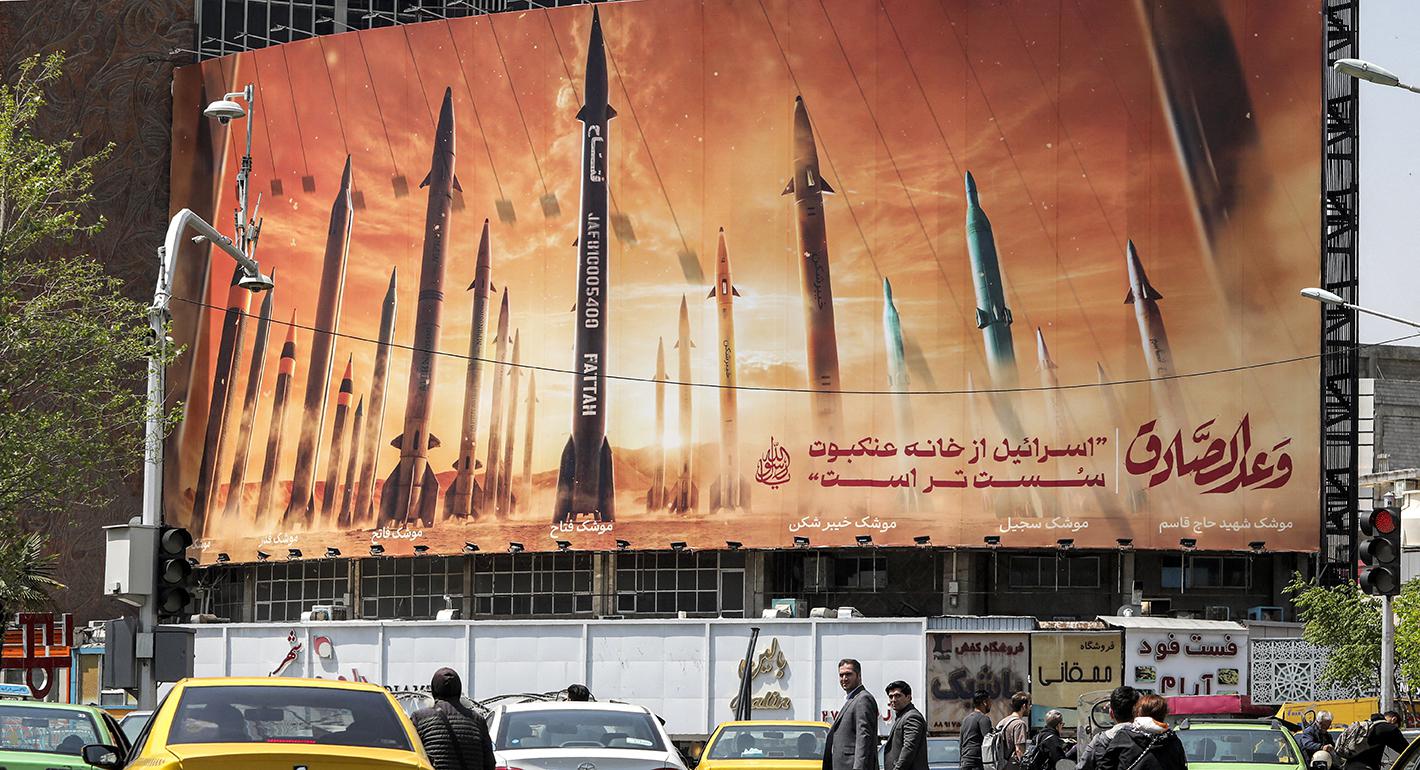
The tension in the Oval Office was thick on Wednesday, but for once, it wasn't because of a fresh escalation. Donald Trump told reporters he's had "very good talks" with Iran over the last 24 hours. If you've been following the chaos of the "Epic Fury" military campaign since February, you know how massive this shift is. We've gone from the U.S. military disabling an Iranian-flagged tanker's rudder just hours ago to the President claiming a deal is "very possible."
It’s classic Trump. One minute he’s threatening to "bomb the hell out of them" if they don't agree, and the next, he’s praising the progress made through Pakistani mediators. You're probably wondering if this is just more bluster or if we're actually at the finish line. Honestly, the reality is somewhere in the middle, and it's a lot more complicated than a simple handshake.
The 48 hour window that could change everything
The buzz right now centers on a 30-day memorandum of understanding. This isn't the final "Grand Bargain" yet, but it's the "breakthrough" everyone has been waiting for. According to sources familiar with the Pakistani-mediated talks, the U.S. and Iran are looking at a framework to pause the war.
Here’s what’s on the table right now:
- A 30-day cooling-off period to negotiate a permanent end to hostilities.
- The reopening of the Strait of Hormuz, which has been a choke point for global oil.
- A temporary moratorium on uranium enrichment by Tehran.
- Release of billions in frozen Iranian funds in exchange for compliance.
Trump’s optimism seems fueled by the belief that Iran is desperate. He’s not entirely wrong. After months of U.S.-Israeli strikes that began on February 28, 2026, Iran’s infrastructure is a wreck. Trump himself pointed out that it would take them 20 years to rebuild if the U.S. left today. That’s a heavy leverage point, and he’s leaning on it hard.
What the deal actually looks like on the ground
Don't let the "very good talks" talk fool you into thinking the military pressure has stopped. While Trump was speaking in the Oval Office, the U.S. blockade of the Iranian coastline remained in full effect. CENTCOM confirmed they fired on a tanker on Wednesday to maintain that blockade. It’s a "talk and strike" strategy that keeps Tehran off balance.
The core of the disagreement remains the nuclear stockpile. Trump told PBS that any deal must involve Iran transferring its entire highly enriched uranium stockpile to the U.S. That’s a massive ask. Most nuclear experts, including those at the Institute for Science and International Security, say this is the only way to ensure a "good deal," but it's a bitter pill for the Ayatollah to swallow.
Pakistani Prime Minister Shehbaz Sharif has been the middleman here, trying to bridge the gap between Trump’s "no nuclear weapons ever" stance and Iran’s demand for an end to the blockade. The fact that Trump paused "Project Freedom"—the naval mission to escort ships through the Strait—at Pakistan's request shows he's at least willing to give the diplomacy a few days to breathe.
Why this time might be different
We’ve seen "ceasefires" before. Remember the two-week pause back in April? That collapsed because of the fighting in Lebanon. This time, the stakes feel higher because the economic pain is hitting home. Gas prices in the U.S. just hit $4.50 a gallon, the highest since the 2022 invasion of Ukraine. Trump knows he needs a win before his upcoming trip to Beijing.
There's also a clear divide within the Iranian leadership. Some hardliners in Tehran are calling the U.S. proposal "media speculation," while Foreign Ministry spokesman Esmaeil Baghaei says they are still "examining" the proposal. Trump is betting that the internal pressure from a collapsing economy will force the Supreme Leader’s hand.
The immediate next steps for the region
If this deal sticks for the next 48 hours, expect a formal announcement of a 60-day window where the Strait of Hormuz opens up. This would be a massive relief for global markets, but it comes with a catch. Trump has made it clear that if the 30-day negotiation period doesn't lead to a permanent agreement, the bombing resumes at a "much higher level and intensity."
Keep an eye on the Pakistani mediators in Islamabad. They are the ones actually carrying the messages back and forth. If they can get both sides to agree on the location for the next round of talks—likely Geneva or Islamabad—we might actually see the end of "Epic Fury."
Watch the oil prices. They’ve already started to dip on the news of these "good talks." If you're looking for a sign of whether this is real or just theater, the markets are usually the first to tell the truth. For now, we're in a holding pattern, waiting to see if Tehran blinks or if Trump decides he's waited long enough.