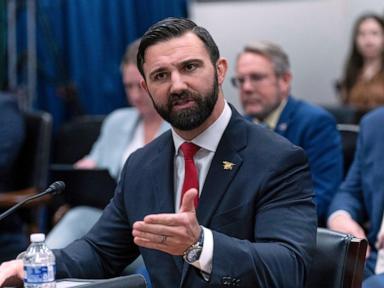
Donald Trump doesn’t usually give second chances to people he’s publicly booted, but Cameron Hamilton is proving to be the exception to the rule. Less than a year after being fired for defying the White House, Hamilton is reportedly the top pick to return as the permanent Administrator of the Federal Emergency Management Agency (FEMA). It’s a move that feels like a glitch in the typical Trump loyalty loop, but when you look at the chaos currently swallowing the nation's disaster response agency, the logic starts to surface.
The "firing" in question wasn't exactly a quiet affair. In May 2025, Hamilton sat in front of a House Appropriations subcommittee and did the unthinkable for a Trump appointee: he disagreed with the boss. While the administration was floating ideas about dismantling or severely downsizing FEMA, Hamilton told Congress, "I do not believe it is in the best interest of the American people to eliminate the Federal Emergency Management Agency." He was gone the next day. Access revoked. Career seemingly over.
So, why the sudden U-turn?
The Man Who Said No
Hamilton isn't your typical career bureaucrat. He’s a former Navy SEAL with a background in the State Department’s crisis response teams. He knows what a "bad day" looks like from a combat and tactical perspective. When he took over as acting chief in early 2025, he inherited an agency that was already being eyed for the chopping block.
Internal tension at the Department of Homeland Security (DHS) was at an all-time high. Then-Secretary Kristi Noem was pushing for radical changes that many felt would gut the agency's ability to respond to hurricanes and wildfires. Hamilton didn't just disagree; he pushed back. He argued that while the agency needed massive reform—specifically cutting back on bureaucracy and handing housing responsibilities over to HUD—blowing it up entirely was a recipe for a national security disaster.
His firing left FEMA in a state of suspended animation. Since Trump’s return to office, the agency hasn't had a Senate-confirmed leader. It's currently on its third temporary director. For an organization that relies on long-term planning and stable state-level partnerships, this leadership vacuum is a nightmare.
Moving Past the Kristi Noem Era
The potential nomination of Hamilton signals a massive shift in how the Trump administration views disaster management in 2026. The aggressive "dismantle everything" approach championed by Noem and former advisors like Corey Lewandowski appears to be softening, or at least becoming more pragmatic.
Current DHS Secretary Markwayne Mullin seems to be leaning toward a model that keeps FEMA’s core mission intact while still letting Hamilton take a chainsaw to the red tape. Hamilton has been vocal on social media since his ousting, frequently pointing out that Noem’s "reforms" actually created more bureaucracy, not less. He wants a FEMA that acts more like a tactical response unit and less like an insurance company.
The Qualifications Gap
There’s a massive elephant in the room regarding this nomination: the law. A post-Hurricane Katrina statute requires the FEMA Administrator to have at least five years of "executive leadership and management" experience in emergency management. Hamilton doesn't officially hit that mark.
- Navy SEAL Service: 10 years (2005–2015)
- State Department: 5 years as an emergency management specialist
- DHS: 3 years as Director of Emergency Medical Services
- FEMA Acting Chief: 4 months (2025)
Technically, his time as a specialist doesn't always count as "executive leadership" in the eyes of strict legalists. However, the Senate has the power to waive these concerns or simply approve him anyway. Given the current political makeup and the desperate need for stability before the June 1 hurricane season, he’ll likely sail through despite the technicality.
What Hamilton Plans to Change
If he takes the wheel again, don't expect business as usual. Hamilton has been critical of how FEMA handled the Biden-era response to Hurricane Helene and has proposed some radical (but focused) shifts:
- The Pizza Tracker Model: Hamilton wants survivors to have real-time data on their assistance claims, similar to how you’d track a Domino’s delivery.
- Housing Hand-off: He believes FEMA shouldn't be in the long-term housing business. He wants that shifted to the Department of Housing and Urban Development (HUD) so FEMA can focus on immediate life-saving efforts.
- Regional Empowerment: Instead of waiting for D.C. to sign off on every gallon of water, he wants regional directors to have more autonomy to move assets before a storm even hits.
The staff at FEMA actually seem relieved. Reports from within the agency suggest that employees respected Hamilton because he actually took the time to listen to the rank-and-file. In a world where most political appointees are seen as "hatchet men," Hamilton is viewed more as a "fixer" who actually believes in the mission.
Preparing for the Next Disaster
We’re weeks away from the start of the 2026 hurricane season. If the Senate doesn't move fast, we’re looking at another year of "acting" leadership, which usually means no one wants to make a big decision for fear of being fired—exactly what happened to Hamilton last year.
If you’re living in a disaster-prone area, this leadership drama matters more than the political theater. A functional FEMA means the difference between getting a blue tarp on your roof in three days or three weeks.
The next step is the formal nomination. Once that hits the Senate floor, expect a heated debate over whether Hamilton’s brief "insurrection" against Noem's policies makes him a hero of the people or a disloyal subordinate. But for now, the fact that Trump is reaching back into the "fired" pile suggests that even this administration realizes you can't run a country on loyalty alone—sometimes you actually need someone who knows how the plumbing works.
Keep an eye on the Senate Homeland Security Committee hearings over the next two weeks. That’s where we’ll see if the "experience" technicality becomes a real roadblock or if everyone is just too tired of the turnover to care.