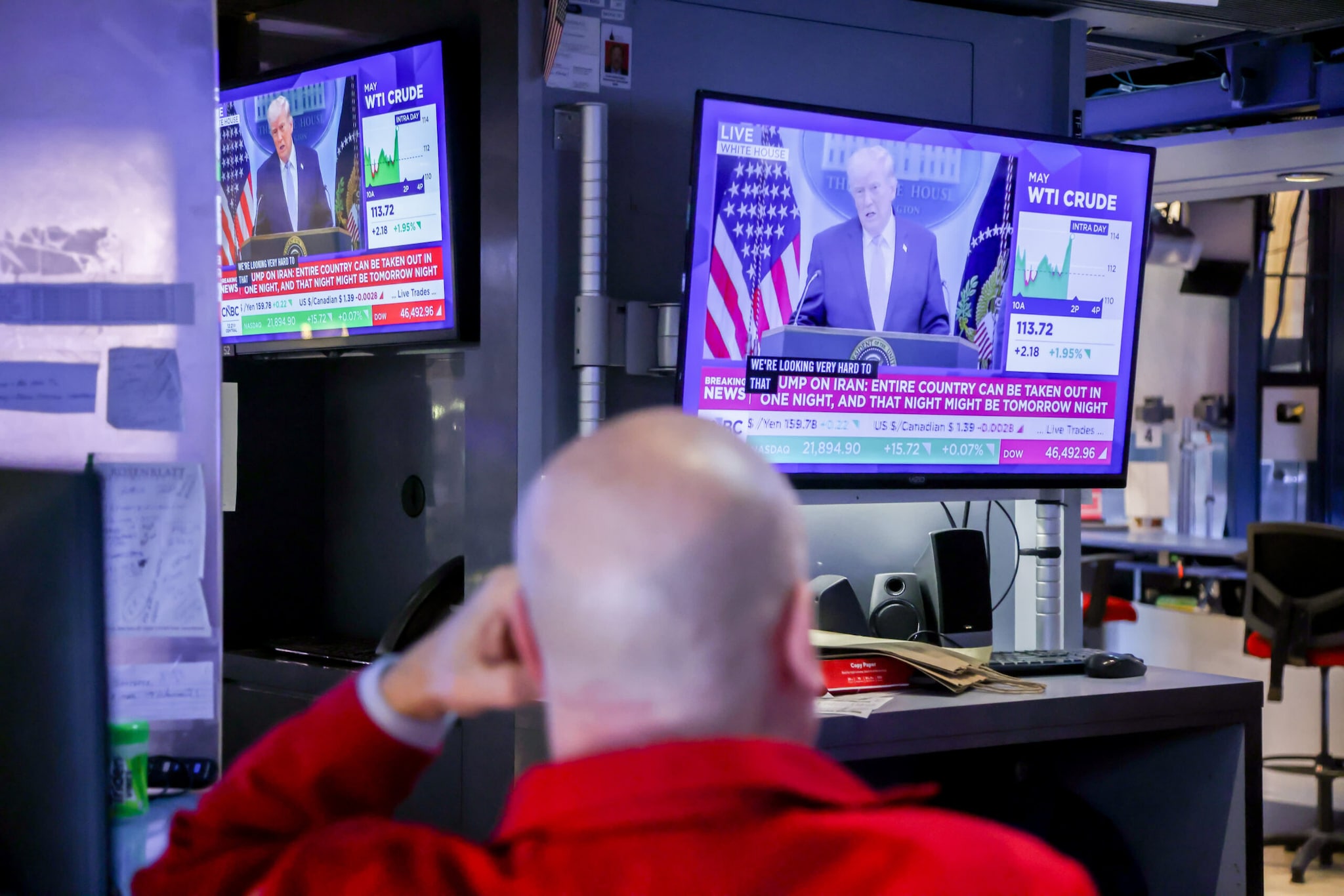
The financial press is currently engaging in a collective sigh of relief over the virtual signing of the US-Iran framework agreement, but they are looking at the wrong map. Mainstream commentary treats Sunday’s virtual pen-stroking between Vice President JD Vance and Iranian Parliament Speaker Mohammed Ghalibaf as a definitive turning point for energy markets. The immediate drop in WTI and Brent crude futures reflects a naive belief that a diplomatic announcement equates to immediate, frictionless physical supply.
I have spent twenty years handling maritime freight logistics and physical commodities trading. If those years teach you anything, it is that a "signed framework" cannot clear a naval minefield, nor can a political handshake rewrite the hard physics of global logistics. The reality is that the Strait of Hormuz is not open, it will not be open on Friday, June 19, and the assumption that oil will flow "toll-free" and unhindered is a dangerous fantasy for any operator managing supply-chain risk.
The Frictionless Waterway Myth
Let's dissect the primary talking point flowing out of Washington and onto cable news networks. In his interview on CNBC, Vice President Vance stated that the United States expects the Strait of Hormuz to be opened in a "toll-free way for the long term." Simultaneously, social media pronouncements declared that the naval blockade is effectively over and told the shipping world to "start your engines."
This rhetoric completely ignores the physical reality of the waterway.
For months, the conflict has involved active kinetic operations, meaning the strait is currently littered with tethered and drifting naval mines. Ocean-going tankers do not operate on political goodwill; they operate on commercial insurance clauses. Right now, maritime security groups like Bimco are explicitly warning shipowners that commencing transits through the traditional central shipping lanes is highly dangerous.
Consider the mechanics of maritime freight insurance:
- War Risk Insurance: A signed political framework does not automatically cancel a designated war risk zone. Insurers require verified physical safety before adjusting premiums.
- Mine Clearance Realities: The UK and France are discussing a multilateral mission just to begin mine clearance. Sweeping a critical chokepoint like Hormuz takes weeks, if not months, of slow, methodical naval operations.
- The Deviated Route: Ships currently trying to slip through are hugging the coastlines near Iran’s Larak and Qeshm islands rather than using the standard deep-water channels. This adds transit time, burns extra marine fuel, and increases vulnerability to local disruptions.
To buy into the narrative that shipping returns to normal the moment the ink dries in Switzerland this Friday is to fundamentally misunderstand how physical trade functions. The market is pricing in a sentimental victory while ignoring the structural backlog of more than 500 ships currently stalled in the Mideast Gulf.
The Sovereign Toll Precedent
The second glaring flaw in the consensus narrative is the assumption that Iran will simply yield total control of maritime navigation without extracting a physical price. While Washington claims the strait must remain entirely toll-free, Tehran's foreign ministry has already publicly stated that the deal will allow them to charge "maritime service fees."
Call it a toll, call it a service fee, call it a transit tax—the nomenclature does not change the economic reality. Iran controls the northern geographic border of this chokepoint. If you think a 60-day ceasefire will stop local authorities from boarding vessels to enforce "environmental compliance fees" or "security escort surcharges," you haven't been paying attention to regional history.
Imagine a scenario where a commercial operator runs a Suezmax tanker loaded with two million barrels of crude through the strait next week, assuming a free pass. If Iranian naval assets demand a $100,000 "navigational safety fee" to pass their islands, what does the captain do? Turn around and face a million-dollar demurrage penalty from the buyer, or pay the tax? The operator pays the tax. Washington's definition of "free navigation" does not match the tactical reality on the water.
Defusal Defers the Hardest Asset Conversations
The mainstream financial press notes with passive optimism that the framework "defers talks on Tehran's nuclear programme and American sanctions." They present this as a standard diplomatic sequencing strategy—deal with the immediate shooting war first, handle the structural disputes later.
This is a complete inversion of how geopolitical leverage works. By lifting the US naval blockade of Iranian ports up front in exchange for a mere signature, the US gives away its primary economic leverage before securing a single concession on the underlying issue: Iran's highly enriched uranium stockpile.
Vice President Vance argued on ABC that no frozen assets are being transferred immediately, stating that sanctions relief will only follow "verified steps to eliminate its stockpile." But this creates a volatile, unstable environment for long-term investments.
[Diplomatic Framework Signed]
       │
       ▼
[US Lifts Blockade / Reopens Strait] ──► (US Surrenders Primary Leverage)
       │
       ▼
[60-Day Technical Negotiation Window]
       │
       ├──► Scenario A: Iran stalls on uranium extraction ──► Sanctions snap back, conflict resumes
       └──► Scenario B: Local friction over transit fees  ──► Tankers stalled, insurance spiked
What happens on day 45 of the ceasefire when the technical negotiations over uranium verification inevitably stall? The administration will face a choice: tolerate Iranian non-compliance or snap sanctions back into place and re-impose the naval blockade. For an international trading desk, this means the risk profile of Persian Gulf crude hasn't actually dropped; it has merely been wrapped in a 60-day options contract.
The Hidden Costs of the Two-Week Illusion
In April, the market was burned when political statements claimed the strait was completely open, only for a massive buildup of tankers to be turned back by ongoing naval hostilities. We are seeing the exact same pattern repeat itself.
The sudden drop in crude oil prices below the $100 mark is a psychological reaction, not a fundamental structural shift. Physical crude supply will remain constrained because shipowners are not willing to gamble a $100 million hull on a press release. The economic domino effects are already locked in.
Furthermore, the framework completely glares over the structural realities of regional proxies. While Israeli leadership has given passive support to a pause in direct hostility with Iran, they have clearly stated that this framework does not bind their military operations against Hezbollah in Lebanon. Iran has countered that the deal hinges on an end to operations in Lebanon. The entire agreement is resting on a tripod where one leg is explicitly refusing to stand.
Stop Trading the Headlines
If you are running an energy portfolio or managing corporate supply chains, the most dangerous move you can make right now is going short on oil based on the assumption of a smooth regional recovery. The consensus is trading a diplomatic narrative; you must trade the physical infrastructure.
Do not look at the signing ceremony in Geneva this Friday. Look at the automated identification system (AIS) tracking data for the Strait of Hormuz. Look at the daily hull insurance premiums published by Lloyd's of London. Look at the positioning of naval mine-countermeasure vessels. Until the central shipping lanes are physically cleared of explosives and insurers drop the war-risk designation, the framework agreement is nothing more than an expensive piece of paper. The conflict hasn't ended—it has just entered a technical negotiation phase where the risks are shifted entirely onto the backs of commercial shipping lines.