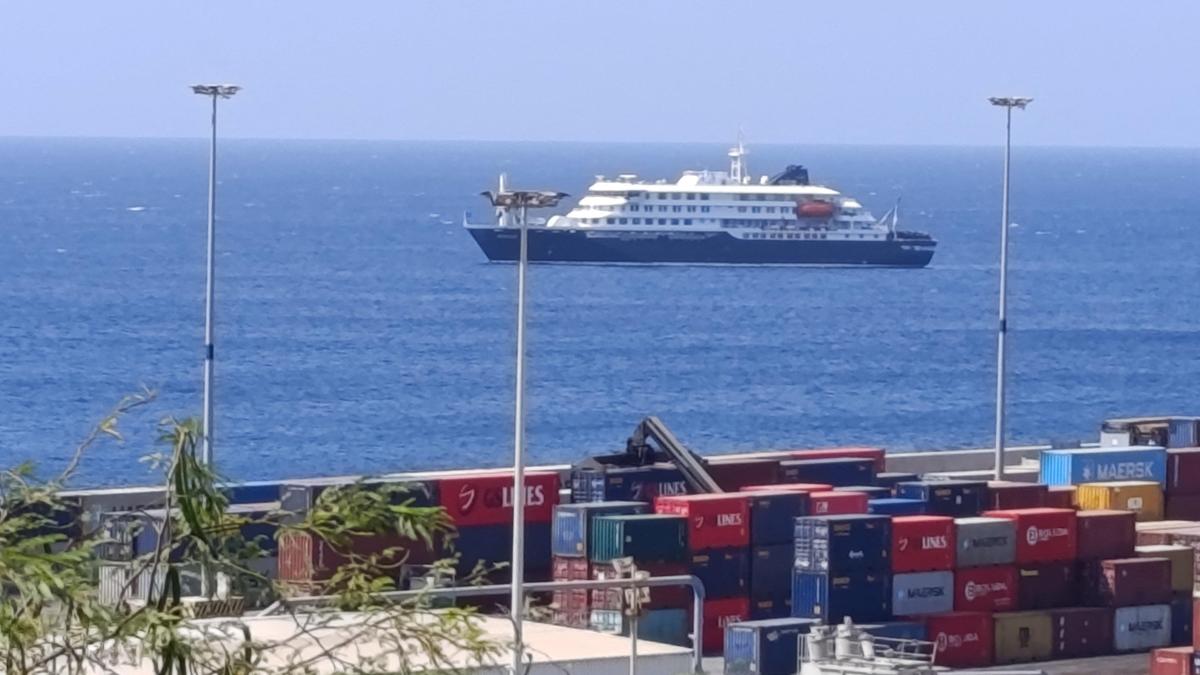
The containment of a viral pathogen within the closed-loop environment of a cruise ship represents a high-stakes stress test of maritime public health infrastructure. When that pathogen is Hantavirus—a family of viruses typically associated with rodent-borne transmission rather than human-to-human spread—the diagnostic and operational requirements shift from standard gastrointestinal protocols to complex ecological and structural interventions. The reported cluster of seven confirmed or suspected cases on a stranded vessel necessitates a departure from "wait-and-see" observation toward a rigorous audit of the ship’s internal environmental integrity and vector entry points.
The Mechanistic Path of Hantavirus Infection
Understanding the risk profile requires a technical distinction between Hantavirus Pulmonary Syndrome (HPS) and Hemorrhagic Fever with Renal Syndrome (HFRS). While both are zoonotic, the mode of transmission is almost exclusively through the aerosolization of excreta from infected rodents.
Transmission occurs through three primary vectors:
- Inhalation: The most frequent route. Disturbed nesting materials or dried droppings release viral particles into the air. In the recirculated air systems of a vessel, this creates a specific risk of distribution across multiple decks.
- Direct Contact: Introduction of the virus into broken skin or mucous membranes via contaminated surfaces.
- Ingestion: Consumption of food or water sources compromised by rodent activity.
The incubation period for Hantavirus typically ranges from one to eight weeks, creating a significant "visibility lag." A stranded ship complicates this further; as supplies dwindle and sanitation protocols potentially degrade under stress, the biological interface between humans and opportunistic pests narrows.
The Structural Anatomy of a Maritime Outbreak
A cruise ship is essentially a floating micro-city with a dense network of interstitial spaces—cable runs, HVAC ducts, and plumbing chases—that serve as "highways" for rodents. An outbreak indicates a breach in the vessel's Integrated Pest Management (IPM) system. We can categorize the failure into three systemic pillars.
Pillar I: The Breach of Exclusion
Rodents enter vessels through mooring lines, cargo loading ramps, or via contaminated dry goods brought on board during provisioning. If rat guards on mooring lines are improperly fitted or if the "cold chain" of supply delivery is compromised by poor warehouse management at the port of origin, the vessel’s perimeter is effectively nonexistent.
Pillar II: The Internal Reservoir
Once on board, rodents seek harbor in areas with low human traffic but high resource proximity.
- Galley Voids: Spaces behind industrial ovens and refrigeration units.
- Engine Room Perimeters: Providing warmth and protection.
- Waste Management Facilities: The nexus of food waste collection.
Pillar III: Aerosolization Dynamics
The ship’s HVAC system acts as a force multiplier for viral spread. Standard HEPA filtration may catch larger dust particles, but if rodent activity occurs within the supply ducts themselves, the system actively pumps viral loads into passenger cabins. The stranded status of the ship likely means reduced power or altered ventilation cycles, potentially leading to stagnant air pockets where viral concentrations can reach critical thresholds.
Quantifying the Clinical Risk and Diagnostic Bottlenecks
Hantavirus presents a diagnostic challenge because its prodromal phase mimics common influenza or even Sea Legs Syndrome.
Early-Stage Indicators (Days 1–5)
- Febrile response (often exceeding 101°F).
- Myalgia concentrated in the large muscle groups (thighs, back, shoulders).
- Gastrointestinal distress, which on a cruise ship is frequently misdiagnosed as Norovirus.
Critical Escalation (HPS Pathway)
The transition to the respiratory phase is abrupt. Within 24 to 48 hours of initial symptoms, the patient may develop acute pulmonary edema and hypotension. This is a physiological crisis: the virus increases vascular permeability, causing plasma to leak into the lungs. On a stranded vessel, the lack of extracorporeal membrane oxygenation (ECMO) or advanced mechanical ventilation creates a hard ceiling on survivability for severe cases.
The Economic and Operational Cost Function
A health crisis on a stranded vessel is not merely a medical emergency; it is an organizational failure with quantifiable cascading costs.
- Vessel Sanitization (C_s): The cost of professional biohazard remediation, which involves deep-cleaning thousands of square feet of ductwork and interstitial spaces.
- Reputational Attrition (A_r): The long-term loss in booking volume. Epidemiological incidents have a longer memory in the consumer market than mechanical failures.
- Legal Liability (L_l): Indemnity claims arising from a failure to maintain a seaworthy and "habitable" environment under maritime law.
The total cost ($T_c$) of the outbreak can be modeled as:
$$T_c = C_s + A_r + L_l + O_d$$
where $O_d$ represents operational downtime. In the case of Hantavirus, $O_d$ is prolonged because the vessel must remain in quarantine until the 50-day incubation window for the final exposed passenger has passed without a new case.
Strategic Mitigation and Containment Protocols
To break the transmission cycle on a stranded vessel, the response must move beyond patient isolation to environmental warfare.
1. HVAC Zonation and Filtration
The air handling units must be transitioned to 100% outside air intake where possible, eliminating recirculation. In zones where cases are suspected, portable air scrubbers with UV-C light sterilization should be deployed to neutralize airborne viral RNA.
2. Rodent Eradication and Forensic Mapping
Traditional snap traps are insufficient for a confirmed Hantavirus environment because they can lead to blood splatter and further aerosolization. The use of live-capture traps followed by chemical euthanasia or high-concentration rodenticide in non-passenger areas is required. Crucially, the "path of entry" must be identified through fecal DNA tracing to determine if the infestation is localized or ship-wide.
3. Biological Waste Management
All trash and bedding from affected cabins must be treated as Category A infectious substances. On a stranded ship, the temptation is to store waste in lower decks; however, this creates a secondary feeding ground for the very vectors spreading the disease. Incineration at sea, if the vessel is equipped, is the only viable path to total neutralization.
The Limitations of Current Maritime Health Standards
The current protocols for maritime health focus heavily on food-borne and water-borne pathogens. Hantavirus exposes a "blind spot" in international shipping regulations: the lack of standardized testing for aerosolized zoonotic threats. Most shipboard medical centers are equipped for trauma and basic infectious disease but lack the enzyme-linked immunosorbent assay (ELISA) kits required for rapid Hantavirus antibody detection. This leads to a reliance on shoreside labs, which, for a stranded vessel, introduces a multi-day lag that can be fatal for patients entering the respiratory distress phase.
Strategic Recommendation for Immediate Intervention
The management of the current seven cases must be bifurcated into clinical stabilization and environmental sterilization. Clinical teams must prioritize fluid management; unlike many other infections, aggressive hydration can be detrimental in Hantavirus cases due to the risk of pulmonary edema.
Operationally, the vessel must undergo a "Negative Pressure Lockdown" of all suspected rodent-entry points. If the ship remains stranded, the focus shifts to the air. Every hour that the HVAC system continues to recirculate air from the lower decks to the passenger levels is an hour that the viral load potentially increases. The final strategic play is a total "Cold Ship" reset: evacuate all non-essential personnel, cut internal power to halt air movement, and utilize vaporized hydrogen peroxide (VHP) throughout the ship's infrastructure. This is the only method to ensure that the virus—and the vectors carrying it—are eradicated from the inaccessible voids of the hull. Failure to execute a total environmental reset risks a "ghost ship" scenario where the virus remains dormant in the dust of the ventilation shafts, ready to re-emerge during the next voyage.