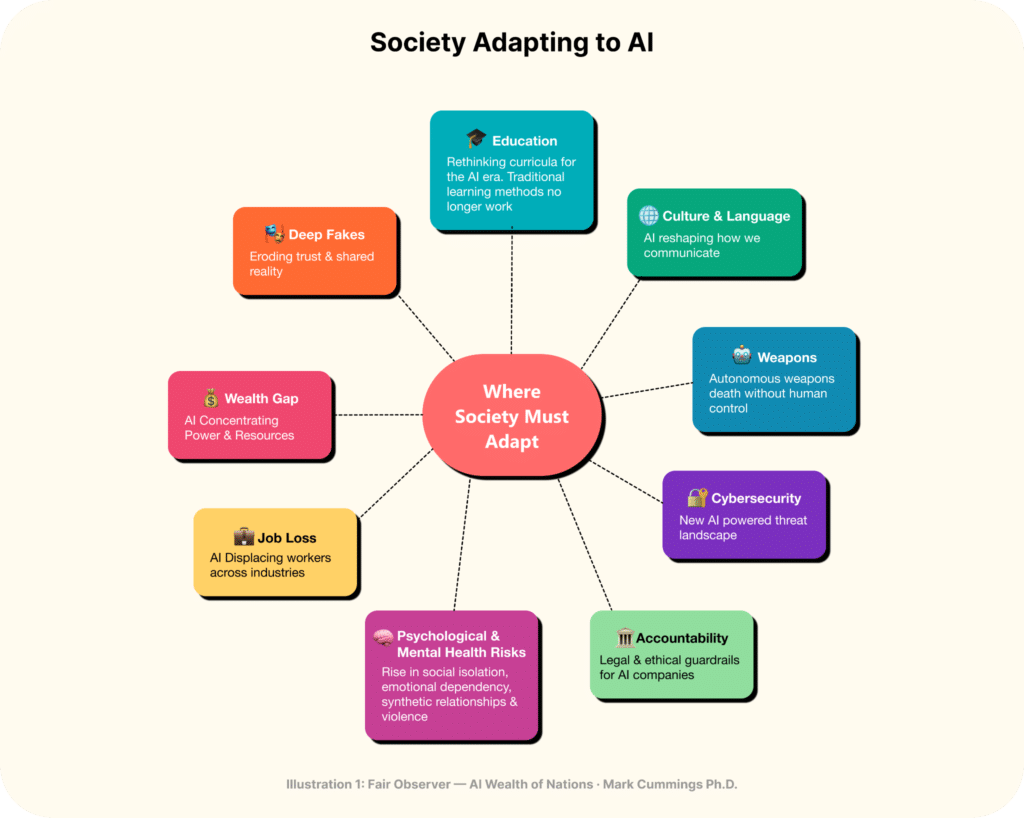
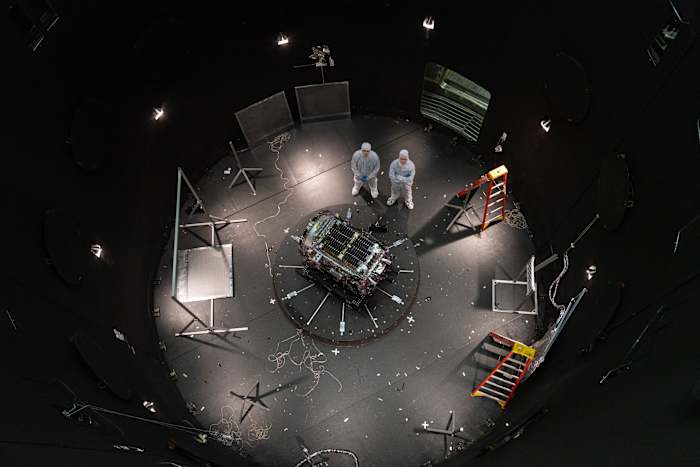
The headlines hit the media with military precision: the White House hosts a breakthrough demonstration of artificial intelligence piloting a drone in combat. Pundits and defense contractors alike celebrated the moment as a watershed. The narrative is as predictable as it is dangerous: autonomous systems are the infallible, cold, calculating future of modern warfare.
The lazy consensus is that algorithms operating within the theater of combat possess the clarity to distinguish friend from foe without human hesitation. I have sat in the briefing rooms of defense contractors and watched companies blow millions on automated targeting architectures that break down under the slightest environmental interference. The reality is far messier, far more fragile, and far more terrifying than the public relations machine wants you to believe.
Let us dismantle the mythology surrounding the autonomous drone and look at the underlying architecture.
The Myth of Algorithmic Perfection
The primary misconception driving the hype is that a neural network, when fed enough telemetry and optical data, approaches something resembling infallible judgment. It does not.
When we talk about the "AI drone killer" hailed in Washington, we are looking at computer vision models trained on highly curated datasets. These models function on probability, not comprehension. When a machine learning model assigns a confidence score to a target, it is predicting a pattern, not making a moral or tactical assessment.
Imagine a scenario where a combat drone is tracking a high-value target in a densely populated urban area. The model's classification engine registers a 92 percent match based on pixel density and thermal signature. To an algorithm, that is a green light. To a tactical commander, the absence of context—such as the presence of non-combatants in the immediate vicinity—creates a catastrophic blind spot.
I have spoken with engineers who built the very targeting pods mounted on these platforms. They freely admit the underlying fragility of the systems. The algorithms degrade rapidly when exposed to non-standard camouflage, smoke, dust, or civilian structures that mimic military geometry. The system does not "know" what it is destroying. It simply matches statistical noise against a pre-existing template.
The Flawed Questions We Are Asking
The public discussion surrounding autonomous weaponry is fundamentally misdirected by the wrong set of inquiries. Observers constantly ask whether these systems can be made faster, or whether they can carry heavier payloads over longer distances. These are the wrong questions entirely.
Here is how the standard inquiries fail when held up to the brutal reality of the battlefield:
- Will AI reduce civilian casualties in war? This assumes that the algorithm's targeting precision is superior to human intuition. In practice, algorithms strip away situational empathy. They cannot negotiate surrender, read non-verbal distress, or recognize the difference between a combatant and a civilian carrying a tool. The casualty rate does not drop; it simply becomes a systemic cost of doing business.
- Can we make the systems 100 percent autonomous without human intervention? The technology is not the bottleneck here; the ethical and legal liability is. Fully autonomous lethal action violates the basic tenets of international humanitarian law. You cannot put an algorithm in the dock for a war crime.
- Is the defense industry outpacing state-level regulations? The truth is, the technology is moving sideways while the marketing moves vertically. We are spending billions on smart munitions that still rely on 1990s GPS and inertial guidance packages for the bulk of their flight path, using AI only for the final terminal phase.
The Operational Reality
To understand the mechanics of the systems being paraded through Washington, you have to look at the edge computing constraints. A drone cannot beam terabytes of raw video back to a remote data center to process a target. It must process the information on board, using specialized silicon with severe thermal and power limitations.
The computing hardware must be small enough to fit inside the fuselage of a loitering munition while withstanding intense G-forces and temperature fluctuations. These hardware limitations mean the models are heavily quantized—stripped down to the bare minimum precision required to function.
What does this mean for the user on the ground? It means the margin for error is razor-thin. A slight miscalculation in the quantization process creates ghost targets.
Let us be honest about the limitations. I have seen operational units reject these autonomous features in the field because the false positive rate was too high, forcing operators to switch back to manual control, or what the military calls "man-in-the-loop" operation. The automated drone is a political statement used to secure funding, not a reliable replacement for a human operator who understands the nuance of the terrain.
Actionable Alternatives
If we are to move past the hype, we need a complete pivot in how we design and deploy combat systems.
- Shift to human-machine teaming architectures: Do not build platforms to replace the operator. Build systems that amplify the operator's ability to manage multiple sensors at once.
- Abandon unverified, end-to-end learning models: Insist on hybrid systems that require manual validation before an engagement threshold is crossed.
- Audit the datasets: Demand transparency from contractors on what imagery and data their models were trained on. If they cannot prove the data represents real-world conflict zones rather than sanitized lab environments, the system is a liability.
The push for fully autonomous, AI-driven warfare is driven by the illusion that we can remove friction from violence. We cannot. We are simply outsourcing our moral responsibility to machines that do not know the difference between a soldier and a shadow.
Stop funding the illusion. Demand accountability before the battlefield does it for you.