The radiator in a small apartment in Warsaw hums with a metallic, rhythmic clicking. To the woman sitting at the kitchen table, it sounds like a countdown. She is staring at a utility bill that has already climbed 20% since last winter, but the numbers on the page are not the real story. The real story is happening three thousand miles away, in the narrow, turquoise waters of the Strait of Hormuz.
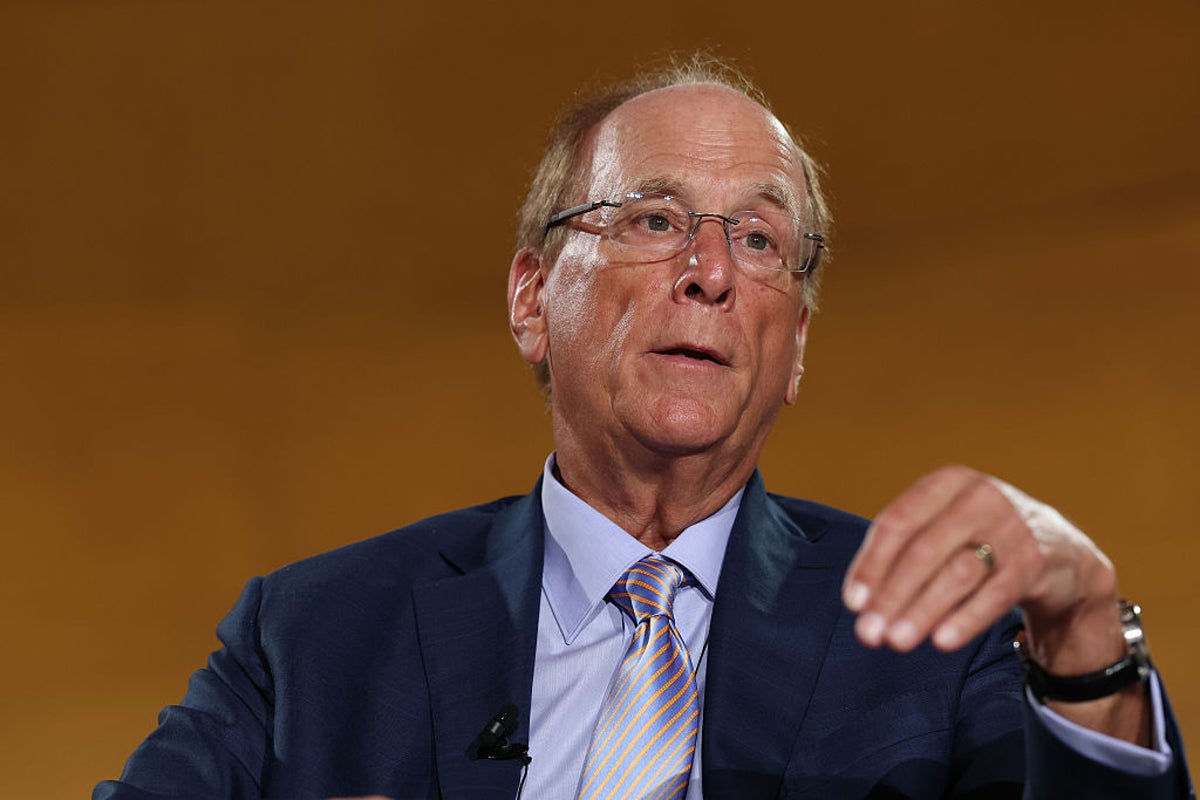
She doesn't know the name Larry Fink. She hasn't read the latest briefings from BlackRock. But she is the one who will eventually pay for them.
When the head of the world's largest asset manager speaks about a "stark global recession," he isn't just shuffling spreadsheets. He is describing a physical breaking point. The math is brutal and indifferent. If the simmering tensions between Israel and Iran boil over into a direct, kinetic conflict, the global economy hits a wall. Specifically, a $150-per-barrel wall.
Oil is the ghost in every machine we own. It is the invisible ingredient in a loaf of bread, the hidden cost of a pair of sneakers, and the literal fuel of global stability. When that ghost becomes too expensive to summon, the world stops moving.
The Geography of a Nightmare
To understand why a war in the Middle East dictates the price of eggs in Ohio, you have to look at a map of the world's throat. The Strait of Hormuz is a narrow passage through which one-fifth of the world’s daily oil consumption flows. It is a choke point.
If Iran decided to block that passage—or if the infrastructure there was caught in the crossfire of a missile exchange—the supply shock would be instantaneous. We aren't talking about a gradual rise. We are talking about a vertical line on a chart. Crude oil currently sits in a fragile equilibrium, but the leap from $80 to $150 happens in the space between a heartbeat and a headline.
Consider a hypothetical logistics manager named Marcus. Marcus runs a fleet of delivery trucks in the American Midwest. He operates on razor-thin margins. At $80 a barrel, his business breathes. At $120, he stops hiring. At $150, he begins the process of liquidation. He is not alone. Multiply Marcus by ten million, and you have the "stark recession" the bankers are whispering about.
The Inflationary Feedback Loop
We have spent the last few years fighting a different kind of economic monster. Central banks have been raising interest rates, trying to cool down the post-pandemic fever. They thought they were winning. They thought they had finally wrestled inflation back into its cage.
But those tools—interest rates and monetary policy—are useless against a supply-side explosion. You cannot raise interest rates to fix a closed shipping lane. You cannot use a spreadsheet to replace a million barrels of oil that never made it to the refinery.
If oil hits $150, the cost of transporting everything spikes. The farmer’s tractor costs more to run. The fertilizer, often derived from natural gas, becomes a luxury. The truck that carries the harvest to the city demands a premium. By the time that food reaches the Warsaw kitchen table or the Midwest grocery shelf, the price has doubled.
This is the "tax on the poor" that economists talk about in hushed tones. Wealthy investors might see their portfolios dip, but they will still eat. The lady in Warsaw will turn off her heater. She will choose between warmth and protein. This is the human face of a commodity spike.
Why This Time Is Different
In previous decades, the world had a safety valve: the United States. The shale revolution turned the U.S. into a massive producer, capable of flooding the market when prices got too high. But that valve is sticking.
Environmental regulations, a shift toward green energy, and years of underinvestment in fossil fuel infrastructure have left the global energy market brittle. We are in a transition phase—a dangerous middle ground where we haven't built enough renewable capacity to survive without oil, but we've stopped investing enough in oil to guarantee a steady supply during a crisis.
The "peace dividend" we enjoyed for thirty years has expired. We are back in an era of hard borders and heavy metal. The war in Ukraine showed us how quickly a regional conflict can shatter a global supply chain. A war involving Iran would be an order of magnitude more destructive because it hits the literal heart of the energy world.
The Psychological Breaking Point
Recessions are often described as technical events—two consecutive quarters of negative growth. But a recession is actually a psychological state. It is the moment when a critical mass of people decides that tomorrow will be worse than today.
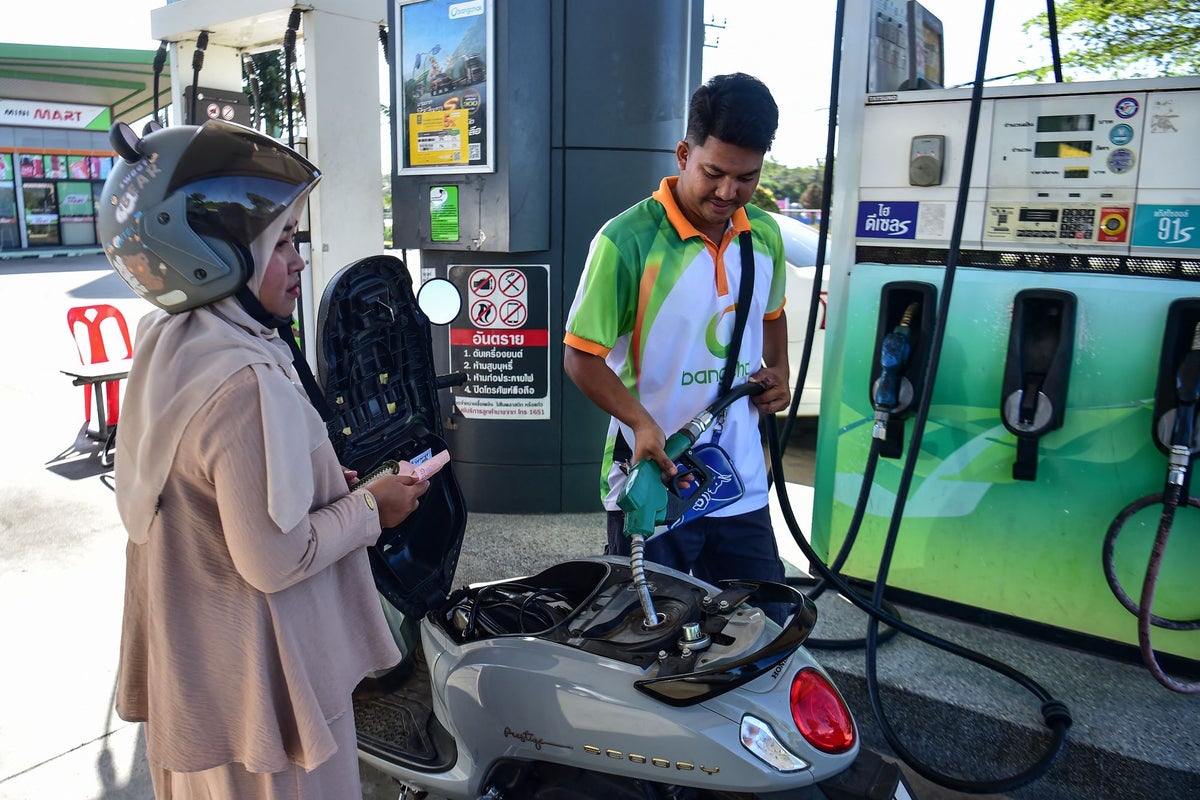
When people see $6 or $7 at the gas pump, their behavior changes instantly. They stop going out. They cancel vacations. They delay buying a car. That sudden withdrawal of consumer spending is what turns a market dip into a "stark" recession. It is a self-fulfilling prophecy fueled by fear.
The warning from the top of the financial world isn't a prediction so much as it is a plea for de-escalation. It is a reminder that the global economy is a spiderweb. You cannot tug on one strand in the Persian Gulf without vibrating the entire structure.
Imagine a crane operator in Singapore. He is moving containers filled with electronics. Those electronics require plastic, which requires petroleum. The ship carrying those containers burns thousands of gallons of fuel. If the price of that fuel doubles, the ship slows down to save money. The crane operator’s hours are cut. The electronics store in London doesn't get its shipment. The cycle of trade, which has lifted billions out of poverty, begins to grind and smoke.
The Weight of the Silence
There is a specific kind of silence that happens in a boardroom when a number like $150 is mentioned. It isn't the silence of boredom; it is the silence of realization. It is the sound of people realizing that all their sophisticated models are built on the assumption that the world will remain rational.
But war is not rational. It is an emotional, chaotic eruption that cares nothing for GDP or quarterly earnings.
We like to think we have moved past the era where a few hundred miles of desert and sea determine the fate of the global middle class. We want to believe in our digital currencies and our service-based economies. But we are still, at our core, a civilization of heat and motion. We need to move things, and we need to keep things warm.
The woman in Warsaw looks at her bill again. She isn't thinking about geopolitics. She is thinking about the cold. She is the invisible stakeholder in a war that hasn't started yet, a victim of a price hike that exists only in the minds of analysts—for now.
The ghost is restless. If it breaks free, it won't just haunt the markets; it will walk through every front door on the planet, uninvited and hungry.
The clicking of the radiator continues, steady as a pulse, waiting for the world to decide if it will keep the lights on.
Would you like me to analyze how different regions—such as Southeast Asia or Latin America—might be uniquely vulnerable to this specific oil price threshold?
.jpg?width=1200&auto=webp&crop=3%3A2)