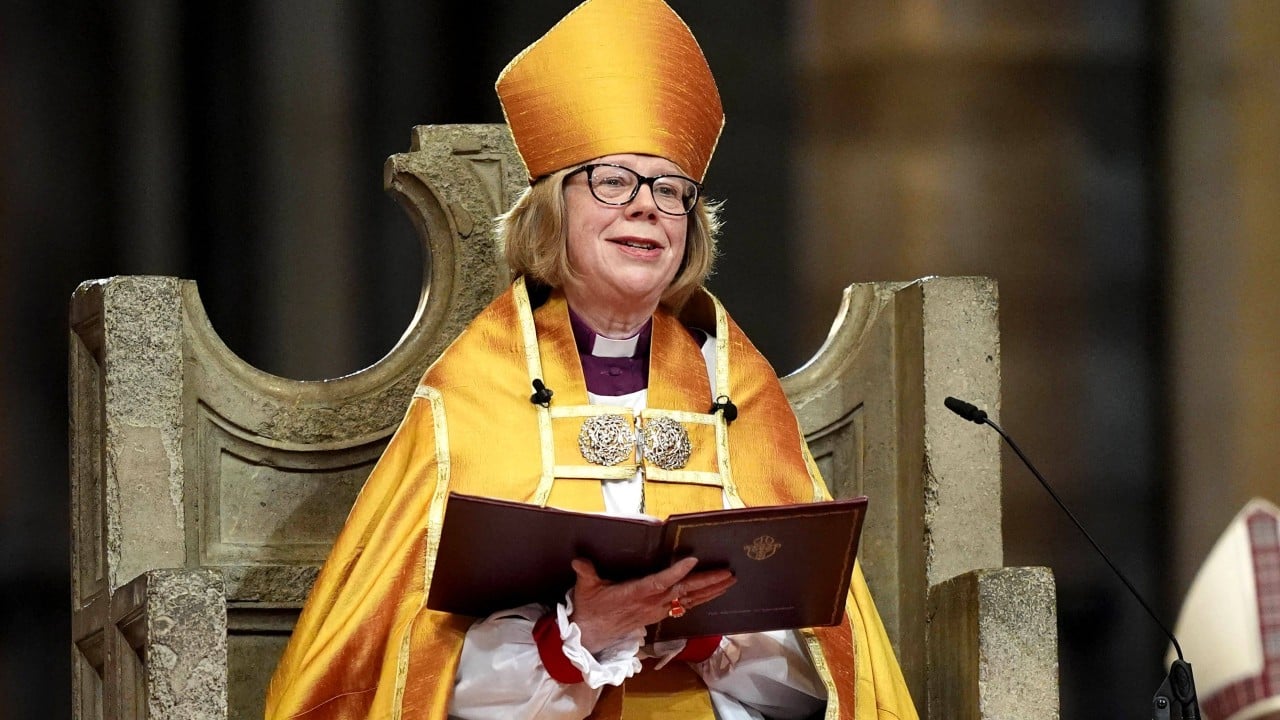
The selection of a former nurse as the first female Archbishop of Canterbury is not merely a milestone for representation; it is a desperate clinical intervention for a dying institution. By elevating a figure from the front lines of the National Health Service to the peak of the Anglican Communion, the Church of England is attempting to trade its crumbling theological authority for the tangible, secular language of "care." This move signals a definitive shift from the pulpit to the bedside, suggesting that the only way for the Church to remain relevant in a post-religious Britain is to operate as a secondary branch of the social welfare system.
The appointment comes at a time when the Church of England is hemorrhaging members and moral standing. For decades, the Mother Church has struggled to reconcile its ancient doctrines with a society that has largely moved on. By choosing a leader whose primary identity was forged in the grueling, practical reality of hospital wards rather than the insular world of academia or traditional vestries, the selection committee is betting on a specific brand of pragmatic empathy. They aren't looking for a scholar to defend the faith; they are looking for a practitioner to manage the decline. If you liked this post, you should look at: this related article.
The Theology of the Ward
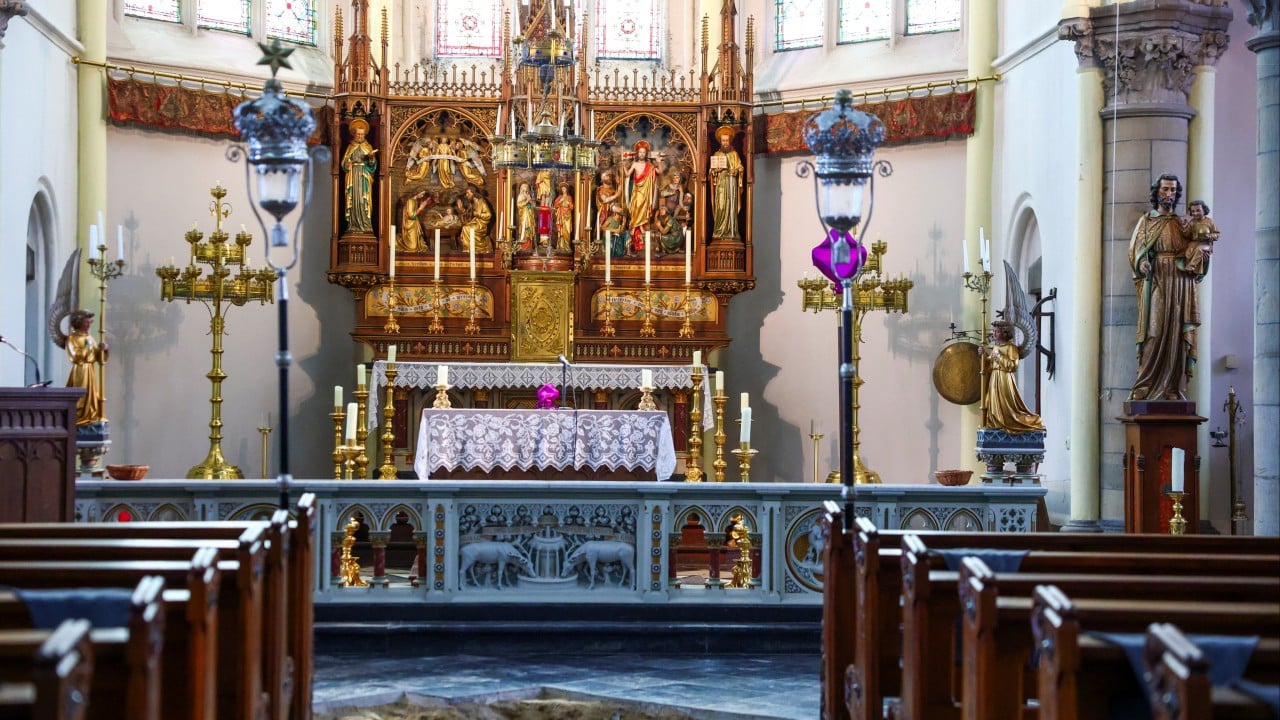
To understand this transition, one must look at the specific skill set a nurse brings to the Lambeth Palace. In the NHS, authority is not derived from divine right or apostolic succession. It is earned through triage, crisis management, and the ability to provide comfort in the face of inevitable physical decay. The Church is currently in a state of institutional multi-organ failure. Attendance is down, the clergy is aging, and the financial burden of maintaining thousands of Grade I listed buildings is becoming untenable.
A traditional bishop might approach these problems through the lens of liturgy or parish restructuring. A nurse approaches them as a series of acute symptoms. The "care" model of leadership prioritizes the immediate emotional needs of the flock over the rigid adherence to historical dogma. This is where the friction begins. While the secular world cheers for the glass ceiling being shattered, the global Anglican Communion—particularly the conservative provinces in the Global South—sees this as the final abandonment of biblical orthodoxy in favor of Western therapeutic culture. For another angle on this event, see the latest update from The New York Times.
A Communion Divided by More Than Gender
The elevation of a woman to the See of Canterbury is the spark, but the fuel is a long-standing disagreement over what the Church is actually for. In Lagos or Nairobi, the Church is a growing, vibrant force centered on the authority of scripture. In London, it is often viewed as a heritage brand struggling to find its place in a marketplace of ideas.
By choosing an Archbishop whose background is rooted in a secular institution like the NHS, the Church of England is doubling down on its identity as the "conscience of the state." This creates an immediate and perhaps irreparable rift with international partners. These leaders do not see a "pioneer"; they see a chaplain to a secularized bureaucracy. The Archbishop of Canterbury serves as the primus inter pares—first among equals—of the 85-million-strong Anglican Communion. If that leader's primary qualification is seen as "lived experience" in a secular field rather than theological rigour, the symbolic glue holding the global church together will likely dissolve.
The Crisis of the Crown and the Cloth
There is a political dimension to this appointment that few are willing to discuss openly. The Archbishop is not just a religious leader; they are a high-ranking state official who plays a central role in the coronation and the spiritual life of the Monarchy. The King is the Supreme Governor of the Church of England. In a Britain that is increasingly pluralistic and skeptical, the Monarchy needs the Church to provide a sense of continuity and sacredness.
However, the "nurse" persona brings a different energy to the state-church relationship. Nursing is inherently egalitarian. It is about the shared vulnerability of the human body. This sits uncomfortably with the pageantry and hierarchy of the Church of England's established status. We are likely to see a push to strip away the "Lord Spiritual" trappings of the office. Expect a move toward a more "low-church," accessible style that might appeal to the masses but further weakens the institutional weight that gives the Church its seat at the table of power.
The Practical Mechanics of Triage
What does it look like when an Archbishop "triages" a diocese? It looks like the closure of rural churches that are no longer viable. It looks like the redirection of funds from grand cathedrals to community "hubs" that focus on food banks and mental health support. For a veteran of the NHS, these are the logical steps to take when resources are scarce. You save what you can and provide palliative care to the rest.
But a church is not a hospital. A hospital’s success is measured by patient outcomes and efficiency. A church’s success has traditionally been measured by its faithfulness to a tradition and its ability to point toward something transcendent. When the transcendent is replaced by the therapeutic, the Church loses its unique selling point. If the Archbishop is just a glorified social worker in a purple cassock, the public will eventually ask why the Church deserves special tax status or a say in the House of Lords. Why not just give that influence to the British Medical Association?
The Heavy Burden of Symbolism
The new Archbishop will face a level of scrutiny that her predecessors never imagined. Every decision will be framed through her gender and her former profession. If she is firm, she will be called "clinical." If she is soft, she will be accused of bringing "maternal" sentimentality to a role that requires steel.
She inherits a workforce—the clergy—that is suffering from record levels of burnout and disillusionment. The parish system is buckling under the weight of administrative demands. Here, her nursing background might actually be her greatest asset. She understands the toll of emotional labor. She knows what it’s like to work a double shift in a failing system. But empathy does not pay the bills for the upkeep of a 12th-century spire, and it does not settle the question of whether the Church still believes in its own foundational creeds.
The Shadow of the Secular Saint
In modern Britain, the NHS is the closest thing the country has to a national religion. By appointing a nurse, the Church is attempting to borrow some of that "secular sanctity." It is a strategic move to insulate the institution against criticism. It is much harder for a secular critic to attack a nurse than it is to attack a career academic or a wealthy aristocrat.
This "halo effect" will buy the Church some time. It will quiet the critics in the media for a few cycles and provide some heartwarming human-interest stories. But the underlying pathology remains. The Church of England is an establishment without a clear mandate, a hierarchy without a loyal base, and a treasury that is being drained by the costs of its own history.
The Inevitable Pivot
The move to prioritize "healing" over "holiness" is a one-way street. Once the Church defines its mission in purely social and psychological terms, there is no going back to the pulpit of old. The future of the Church of England under this leadership will likely see a massive decentralization. The "Nursing Archbishop" will likely oversee the transition of the Church from a national institution into a network of localized charities.
This is the brutal truth of the appointment. It is not a sign of a church that is evolving; it is a sign of a church that is admitting it can no longer lead the soul, so it will settle for tending to the body. The miter has been replaced by the stethoscope, and while the bedside manner may improve, the prognosis for the patient remains terminal.
The first female Archbishop of Canterbury will be remembered not for the sermons she preached, but for the way she managed the closure of the ward. If you want to see the future of the Anglican faith, stop looking at the altars. Look at the community centers and the legislative halls where the Church is trading its remaining spiritual capital for a seat at the table of secular social services.
Identify the specific parishes in your own neighborhood that have already converted their pews into pantry shelves. That is where the real work of the new Archbishop will be measured, and that is where the old Church of England goes to die.