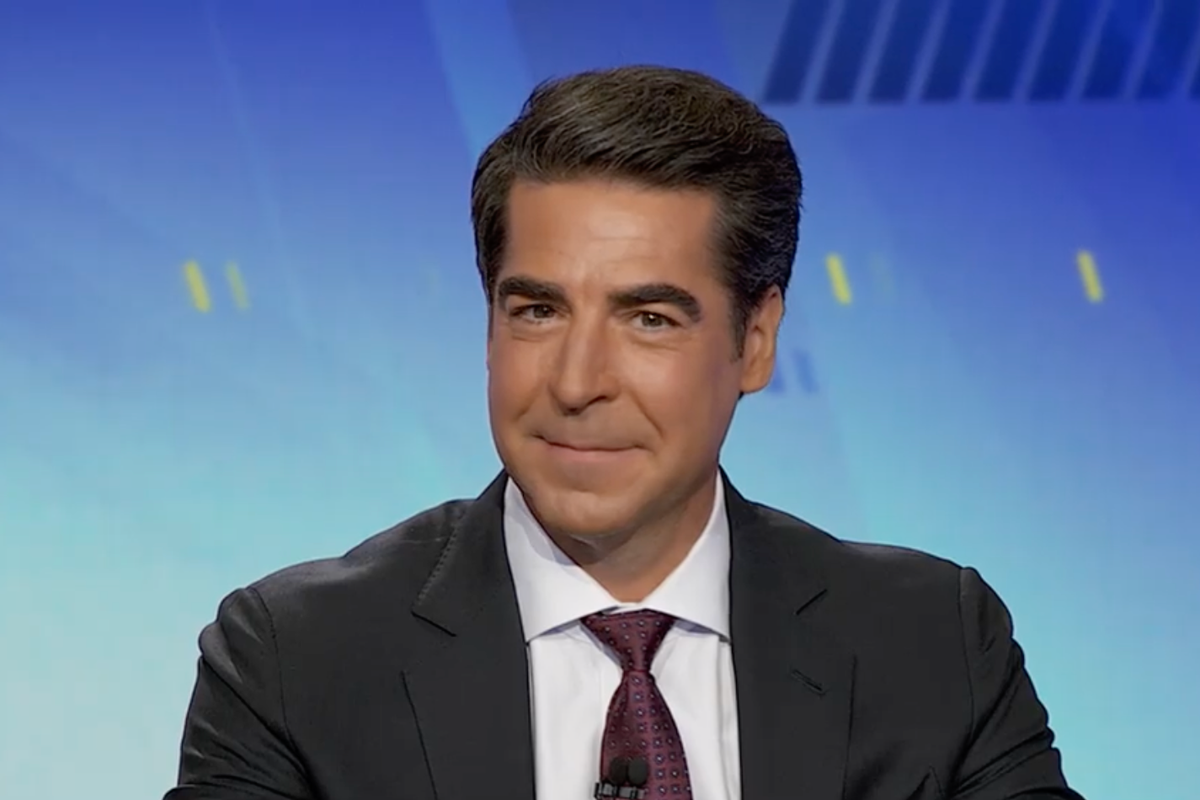
The modern American political machine has officially pivoted from policy to aesthetics. When conservative commentators like Jesse Watters publicly question whether the Democratic Party needs a more "attractive" candidate to reclaim the White House in 2028, they aren't just engaging in schoolyard taunts. They are exposing a shallow but potent shift in how voters consume leadership. This isn't about vanity. It is about the commodification of the presidency in a media environment that prioritizes high-definition charisma over legislative track records.
Democratic strategists are currently staring at a 2028 map that looks increasingly hostile. The party is grappling with a fundamental disconnect between its intellectual heavyweights and the visceral requirements of a television-first electorate. The suggestion that "looks" matter might sound like a relic of 1950s gender politics, but in an era of TikTok-optimized campaigning, visual dominance is a hard currency.
The Kennedy Shadow and the Death of the Policy Wonk
We have been here before. The 1960 televised debate between John F. Kennedy and Richard Nixon is the foundational myth of modern political optics. Radio listeners thought Nixon won; television viewers saw a sweating, pale incumbent and chose the tan, vibrant challenger. Today, that dynamic has been injected with steroids.
The Democratic bench is deep with talent, but it is thin on "stars" who can command a room without a teleprompter. When critics point to the lack of "attractive" options, they are often using beauty as a proxy for vitality. Voters are exhausted by the geriatric nature of recent administrations. They are looking for a physical manifestation of energy. If the Democratic Party cannot find a candidate who looks like the future, they will remain stuck defending the past.
The Halo Effect in Modern Balloting
Social psychology calls it the Halo Effect. It is the cognitive bias where our overall impression of a person influences how we feel and think about their character. In a political context, a candidate perceived as physically fit or conventionally attractive is subconsciously granted traits like competence, honesty, and kindness.
- Visual Trust: Voters are more likely to forgive a verbal gaffe from a candidate who looks the part of a Hollywood lead.
- Media Saturation: In a 24-hour news cycle, a candidate's image is seen thousands of times more than their policy white papers are read.
- The Viral Factor: Clips of a photogenic candidate move faster through social media algorithms, creating a feedback loop of perceived popularity.
The Newsom Paradox and the Coastal Elite Trap
Gavin Newsom is often the first name mentioned when the conversation turns to "attractive" Democratic prospects. He has the hair, the height, and the polished delivery of a central casting governor. However, Newsom represents the double-edged sword of political beauty. To a voter in the Rust Belt, his perfection looks like a lack of relatability.
The party faces a massive hurdle: finding a candidate who is visually compelling but doesn't feel like a product of a Malibu focus group. The 2028 candidate needs to possess a rugged, accessible charm rather than a manicured, elite aesthetic. When the opposition mocks the Democrats' "attractiveness" problem, they are betting that the party will lean into the wrong kind of beauty—the kind that alienates the working-class voters who decide elections in Pennsylvania and Wisconsin.
Why Substance is Losing the War to Style
The brutal truth is that policy is boring. No one goes to the polls because they read a 40-page brief on tax code reform. They go because they feel a connection to a leader. The Democratic Party has spent decades priding itself on being the "party of the smart people," often to its own detriment.
By dismissing the importance of optics as "cringe" or superficial, the party risks ignoring the very tools the GOP has mastered. Conservative media has turned political commentary into a lifestyle brand. They understand that a candidate is a visual avatar for the voter's own identity. If the Democrats field a candidate who looks tired or uninspired, no amount of brilliant policy will bridge the gap.
The Gendered Double Standard
It is impossible to discuss political "attractiveness" without acknowledging the disparate impact on male and female candidates. For a man, "attractive" often means tall and authoritative. For a woman, the target is much narrower and more dangerous to hit. A female candidate must be "likable" without being "frivolous," and "strong" without being "cold."
Democratic women like Gretchen Whitmer or Josh Shapiro (though male, he faces his own version of the "identity vs. optics" test) have to navigate these waters with extreme precision. The "beauty" requirement is a trap. If you care too much about it, you are superficial. If you care too little, you are unelectable.
The Identity Crisis Behind the 2028 Bench
Beyond the surface-level insults, the 2028 conversation reveals a deeper anxiety about Democratic identity. The party is a coalition of diverse interests that often struggle to find a singular face. Who is the "attractive" candidate for a party that spans from Brooklyn progressives to Georgia moderates?
The search for a 2028 savior isn't just about finding a pretty face; it’s about finding a vessel for a fractured message. Republicans have found success in candidates who project a specific, muscular brand of confidence. Democrats are currently looking for a mirror.
The Candidate as a Content Creator
In 2028, the campaign trail will happen on screens, not at town halls. Every candidate is now a content creator.
The Optics of Authenticity are more important than the optics of perfection. Voters are looking for "main character energy." They want someone who looks like they can handle the weight of the world without crumbling.
If the Democratic Party wants to win, they need to stop being offended by the idea that looks matter. They need to embrace the reality that the presidency is the most visible job on the planet. You don't need a supermodel; you need a communicator who understands that their image is the first and most frequent point of contact with the American public.
The Strategy of Aesthetic Power
The GOP's focus on Democratic "attractiveness" is a tactical distraction. They want the Democrats to spend the next four years arguing over identity and appearance rather than building a ground game. But there is a kernel of truth in the jab. The Democrats have a "vibes" problem.
The party needs to identify leaders who can bridge the gap between the digital and the physical. This means prioritizing candidates who possess natural, unforced charisma. It means looking beyond the traditional paths of Senate seniority or governorships to find people who move the needle in the real world.
Breaking the Polish
The most "attractive" thing a candidate can do in 2028 is show a bit of grit. The era of the hyper-polished politician is dying. People want someone who looks like they’ve been in a fight and won. The "beauty" the Democrats need isn't found in a salon; it’s found in a candidate who looks comfortable in their own skin, whether they are on a factory floor or a debate stage.
Stop looking for a candidate who fits a 1990s mold of political beauty and start looking for one who defines what power looks like in the 2030s.
Find the candidate who makes the opposition stop laughing and start worrying about their own reflection.