A French humanitarian doctor just landed in Paris with the Ebola virus. Naturally, the headlines are screaming. It's the first confirmed case on French soil during this specific outbreak, and anytime a lethal hemorrhagic fever crosses Mediterranean borders, collective anxiety spikes.
Let's look at the actual math before you stress out. The French Health Ministry confirmed on June 24, 2026, that the medic was immediately isolated upon arrival. They're in stable condition at a high-security bio-containment facility. The regional health agency is currently hunting down every single person who shared breathing space with this doctor, putting them into a mandatory 21-day voluntary home quarantine.
The European Centre for Disease Prevention and Control says the risk to the general European public is "very low." They're right. You aren't going to catch Ebola on the Paris Métro tomorrow. But that doesn't mean this situation is normal. This specific importation exposes a massive, terrifying gap in our global health defense, and it points to a horrific reality unfolding right now in central Africa.
The Invisible Threat of the Bundibugyo Strain
Most people hear "Ebola" and think of the 2014 West African epidemic or the frequent outbreaks in the Democratic Republic of Congo (DRC). Those were driven by the Zaire strain. We got good at fighting that one. We invented the Ervebo vaccine. We developed monoclonal antibody treatments like Inmazeb and Ebanga. We built a playbook.
This outbreak scratches that playbook completely.
The nightmare in the DRC right now is fueled by the Bundibugyo virus strain. It's rare, it's poorly understood, and here's the kicker: there are zero approved vaccines or specific treatments for it. None. The shots we spent hundreds of millions developing over the last decade do absolutely nothing against Bundibugyo. If you catch it, you rely purely on supportive care—intravenous fluids, oxygen, and balancing electrolytes. You fight it with your bare immune system.
Since the DRC declared this outbreak on May 15, the virus has moved with terrifying speed. The World Health Organization noted this is the fastest-spreading first month of any recorded Ebola epidemic in history. Look at the numbers from the ground:
- Over 1,000 confirmed cases in just five weeks.
- At least 267 dead.
- A cratering contact tracing success rate of just 55% locally.
Health authorities in the DRC admit they haven't found Patient Zero, and they've lost track of more than 35,000 potential contacts. The epidemic is expanding in the dark, and that's exactly how an infected doctor managed to board a flight and bring it to Europe.
Why Containment Works in Paris but Fails in Bunia
The reason Europe won't see a massive outbreak comes down to basic infrastructure. Ebola isn't airborne like Covid-19 or the flu. It requires direct contact with bodily fluids—blood, vomit, sweat.
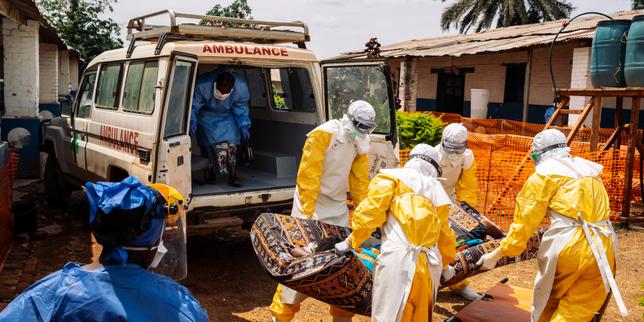
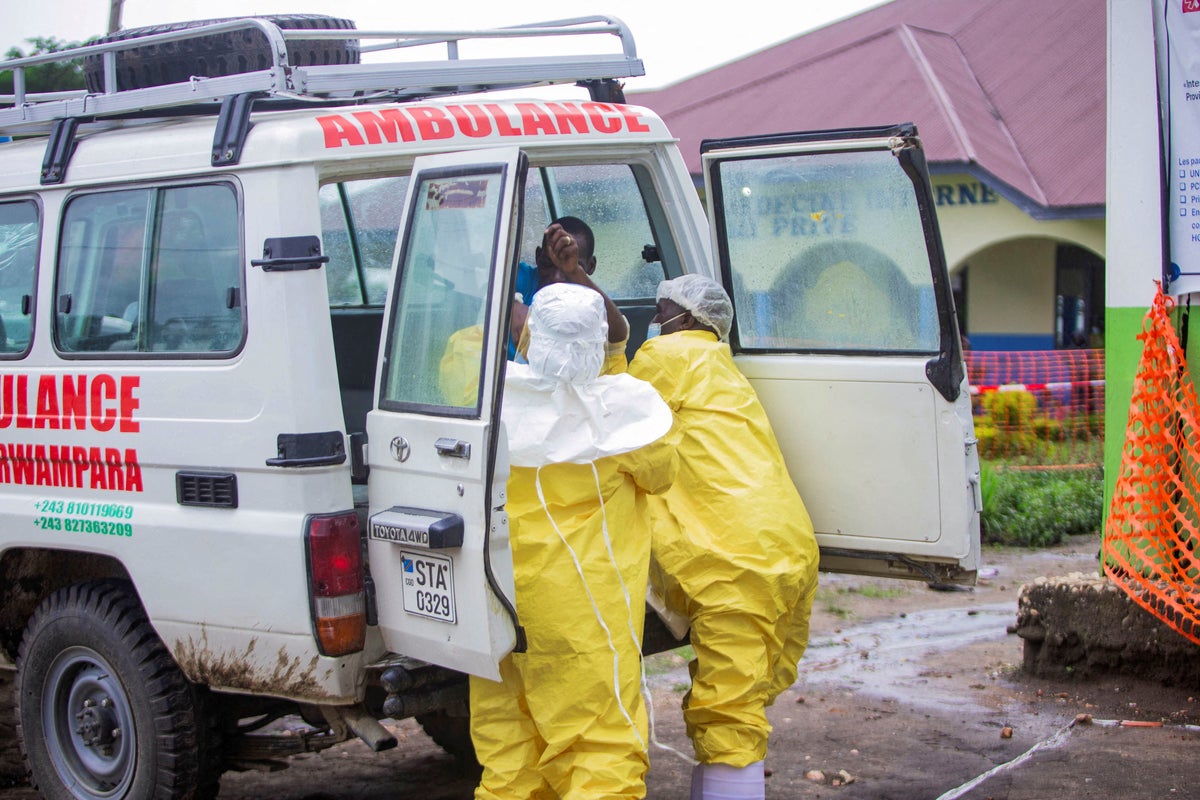
In France, a suspected patient enters a negative-pressure room. Doctors wear heavy personal protective equipment (PPE) that looks like spacesuits. Waste is incinerated immediately.
Now look at the northeastern Ituri province of the DRC, the absolute epicenter of this crisis. It's a war zone. Rebel militias and armed groups regularly terrorize the region, hacking away at the infrastructure needed to stop a virus.
Humanitarian workers face armed attacks. Terrified families, distrustful of government officials, have literally stormed treatment centers in places like Bunia to remove their sick loved ones from isolation. When a community hides its sick, contact tracing hits a brick wall. Combine a highly lethal virus that has no vaccine with a region plagued by active warfare, and you get a public health catastrophe that inevitably spills across borders.
Stop Looking for Quick Fixes
We need to stop treating global health like a series of isolated fire drills. Sending a handful of brave humanitarian doctors into conflict zones without the backup of targeted clinical trials for rare strains is a losing strategy.
Scientists in the UK and globally are scrambling to fast-track a Bundibugyo vaccine, but we're months, maybe years, away from deployment. Until then, Western nations can't just secure their own borders and call it a day.
If you want to track this situation realistically, ignore the panic-mongering about local transmission in Europe. Instead, watch the numbers coming out of eastern Congo and neighboring Uganda. Watch the contact tracing percentage. If that local coverage rate stays stuck at 55%, this doctor won't be the last infected traveler to trigger airport bio-defense protocols. The only way to protect Paris, London, or New York is to actually flood Ituri with the security, resources, and basic medical aid required to choke the virus at its source.