The political marriage between Germany's Alternative for Germany (AfD) and Donald Trump was always one of convenience, but the honeymoon is officially over. For years, the AfD looked at the MAGA movement with envy, trying to bottle that same populist lightning for the German electorate. They sent delegations to CPAC, cheered for "America First," and treated Trump like a blueprint for their own rise. Now, that relationship has hit a wall. As we move through 2026, the party leadership is quietly—and sometimes loudly—backing away from the man they once called a "president of peace."
You might think two nationalist, anti-immigrant movements would be natural allies forever. It makes sense on paper. But look closer at the actual policy shifts in Berlin and Washington. The friction isn't just a minor disagreement; it’s a fundamental clash of national interests. Trump’s "America First" agenda is starting to hurt the very people the AfD claims to protect: German workers and small business owners. When American protectionism meets German export-dependency, the bromance dies.
The breaking point in the Middle East
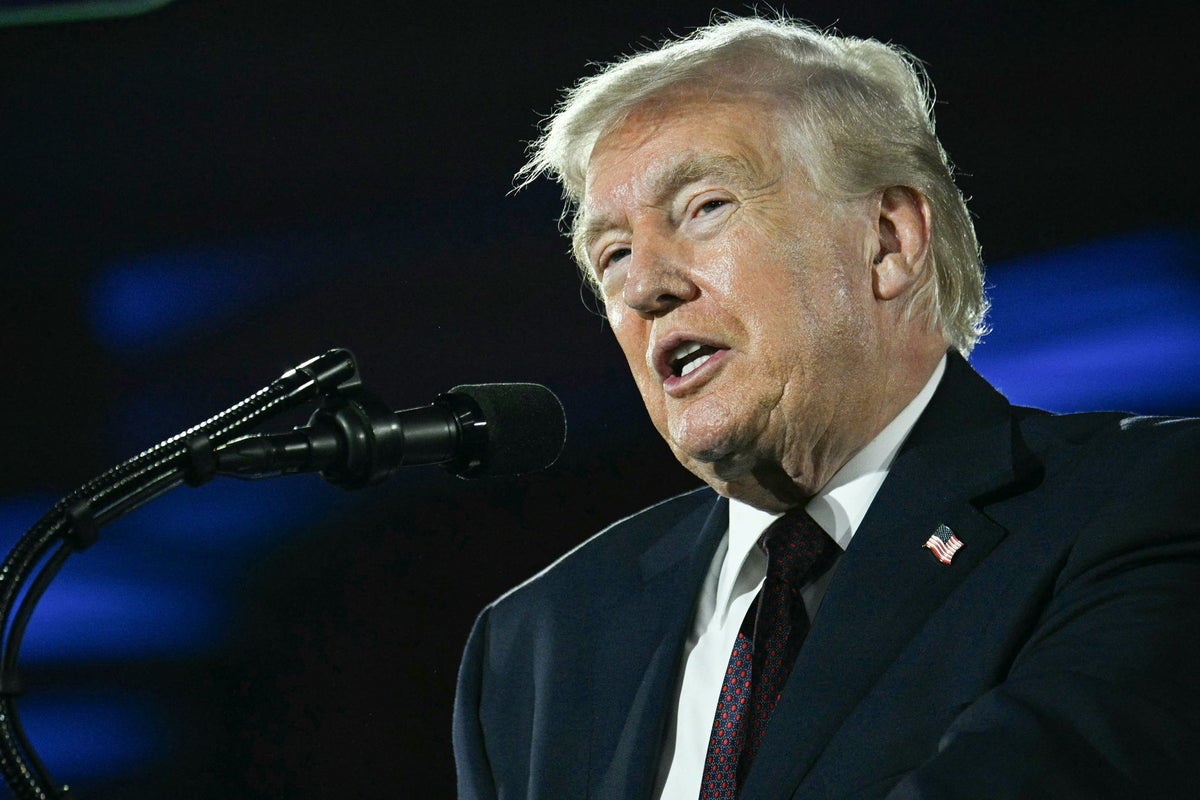
The most visible crack in the alliance appeared with Trump's military escalations in Iran. For a party that has built its foreign policy on the idea of non-interventionism and "sovereign neutrality," the recent US strikes were a bridge too far. Tino Chrupalla, the AfD's co-chairman, didn't mince words when he suggested Trump had shifted from a "president of peace" to a "president of war."
It’s a sharp pivot. In the past, the AfD would have found a way to blame "globalist elites" for regional instability. Now, they’re pointing the finger directly at the White House. This isn't just about pacifism. The AfD relies heavily on a voter base that is deeply suspicious of American military power. Many in the party view the US not as a protector, but as an occupying force that restricts German sovereignty. When Trump acts like a traditional hawk, he validates the fears of the AfD's more radical, anti-American wing.
Trade wars and the German wallet
Nationalism sounds great until it’s the other guy’s nationalism. Trump’s aggressive tariff strategy has finally hit home. If you're a German voter in a manufacturing hub, "America First" means your job is at risk. The AfD is a party of German nationalism, and they can’t exactly cheer for a US president who is actively trying to dismantle the German automotive industry through trade barriers.
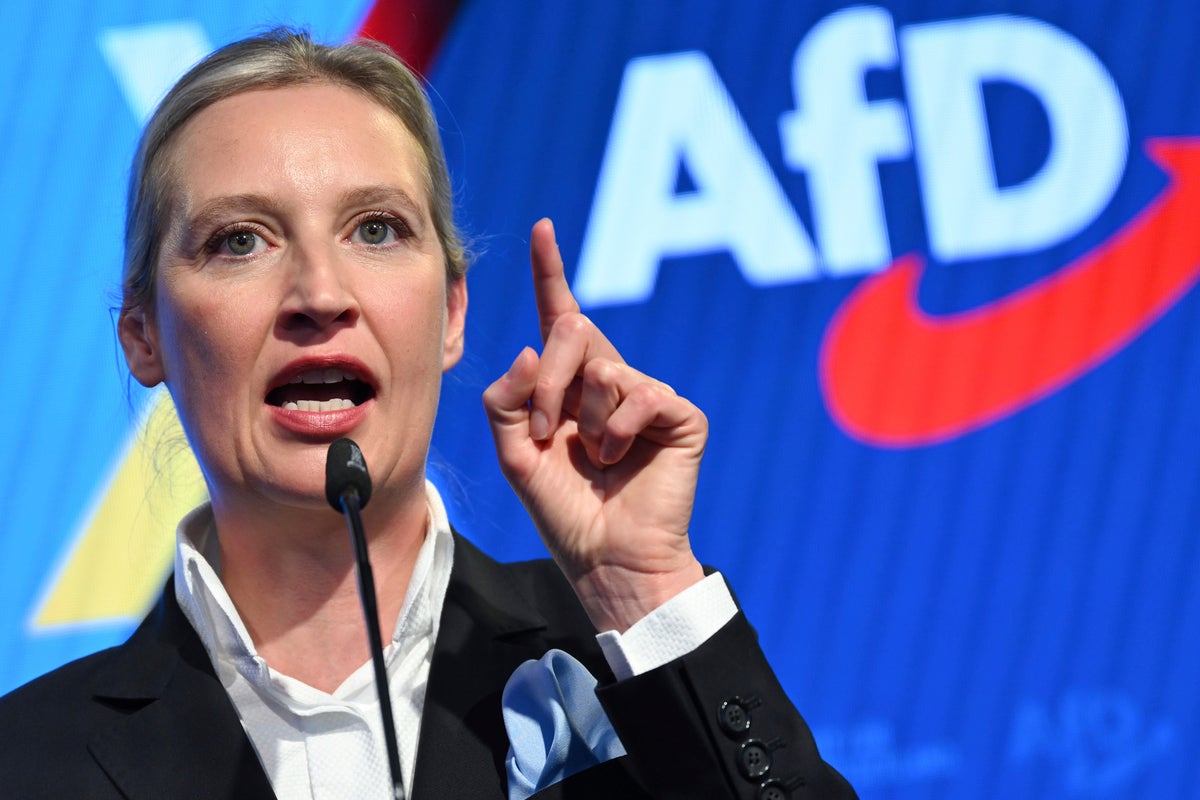
Alice Weidel, the party’s more polished face, has been forced to walk a tightrope. She’s instructed senior officials to scale back their high-profile trips to Washington. The party's new line? Germany needs "balanced relations" with all global players—including Russia and China. This isn't just a slap at Trump; it’s a declaration of independence. They’re realizing that being a junior partner in a global MAGA movement doesn't pay the bills in Saxony or Thuringia.
- Tariffs: US taxes on German cars and machinery directly contradict AfD's "pro-worker" rhetoric.
- Sovereignty: The AfD’s "Our Country First" slogan is increasingly at odds with US-led NATO demands for higher defense spending.
- Energy: While Trump pushes US LNG, the AfD still clings to the hope of cheap Russian gas, a massive point of contention.
Why the MAGA blueprint failed in Berlin
The AfD tried to copy the Trump playbook for years. They used the same "drain the swamp" rhetoric and focused on the "forgotten man." But Germany isn't the United States. The German political system is built on coalitions and a "firewall" (Brandmauer) that seeks to keep the far-right out of power. Trump’s brand of chaotic, personality-driven politics actually made it easier for German mainstream parties to justify isolating the AfD.
By tying themselves so closely to Trump, the AfD became a "confirmed right-wing extremist endeavor" in the eyes of German domestic intelligence (BfV). They realized that being "Trumpian" was actually a ceiling, not a floor. To move from a protest party to a party of government, they need to look like serious German statesmen, not American fanboys.
The Russia factor
You can't talk about the AfD without talking about Moscow. This is where the distance from Trump becomes a canyon. Much of the AfD leadership is openly pro-Russian, viewing Vladimir Putin as a defender of traditional European values. Trump’s relationship with Russia has always been complicated, but his recent willingness to pressure NATO allies and his unpredictability in Ukraine have made him a liability for the Kremlin-friendly wing of the AfD. They want a predictable, neutral Europe, and Trump is anything but predictable.
What this means for the 2026 political map
The AfD is currently the second-largest party in the Bundestag. They're no longer just a fringe group throwing rocks from the sidelines; they are the official opposition. This status requires them to have a coherent foreign policy that doesn't just involve reposting memes from Mar-a-Lago.
By distancing themselves from Trump, they’re trying to build a "Third Way" for European nationalism. It’s an "Europe of Fatherlands" model that rejects both the "Brussels bureaucracy" and "American hegemony." Don't mistake this for a move toward the center. It’s actually a move toward a more "völkisch" (ethno-nationalist) and isolationist stance. They aren't becoming less radical; they're just becoming more German.
If you're tracking the rise of the European right, watch the travel schedules of AfD leaders. If they stop showing up at CPAC and start spending more time in Budapest or even Beijing, you know the break is permanent. They've realized that in the world of "Firsts"—America First, Germany First, Hungary First—there isn't actually much room for friends.
To understand where this goes next, keep a close eye on the AfD's voting patterns in the Bundestag regarding NATO missions. If they start voting alongside the radical left (Die Linke) on anti-US resolutions, the "transatlantic right" is officially dead. The era of the global populist alliance has been replaced by a much more fractured, and perhaps more dangerous, competition of nationalisms.