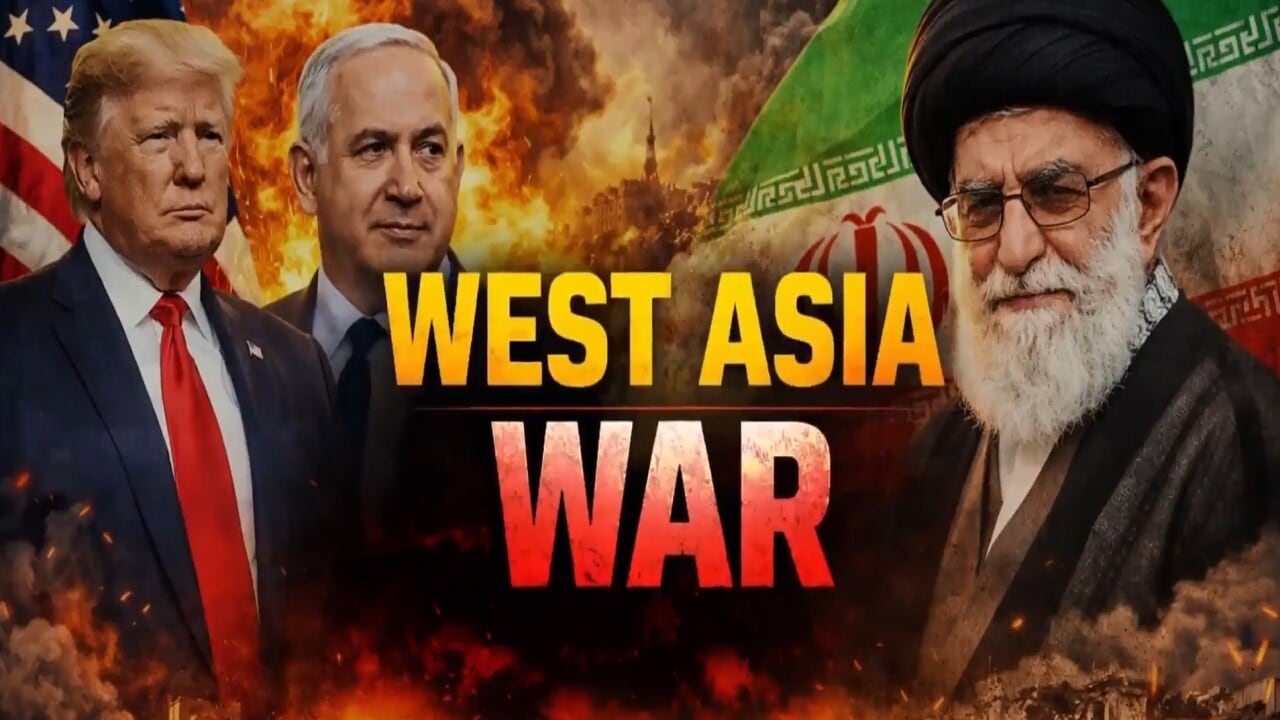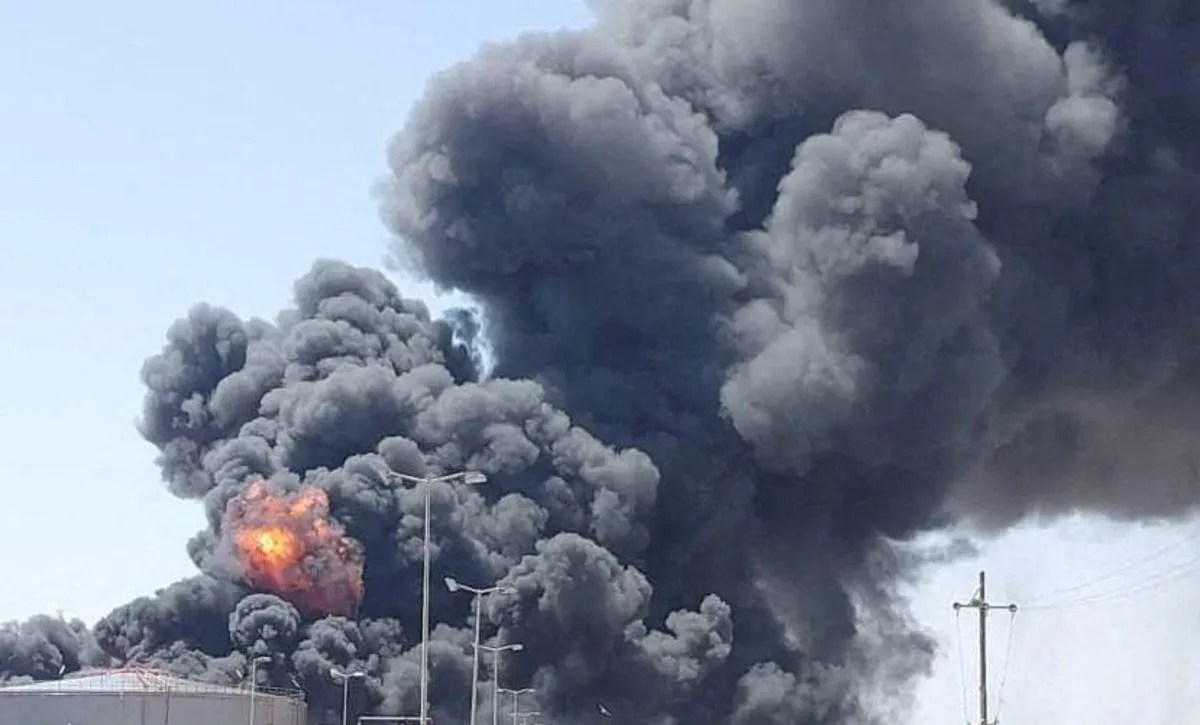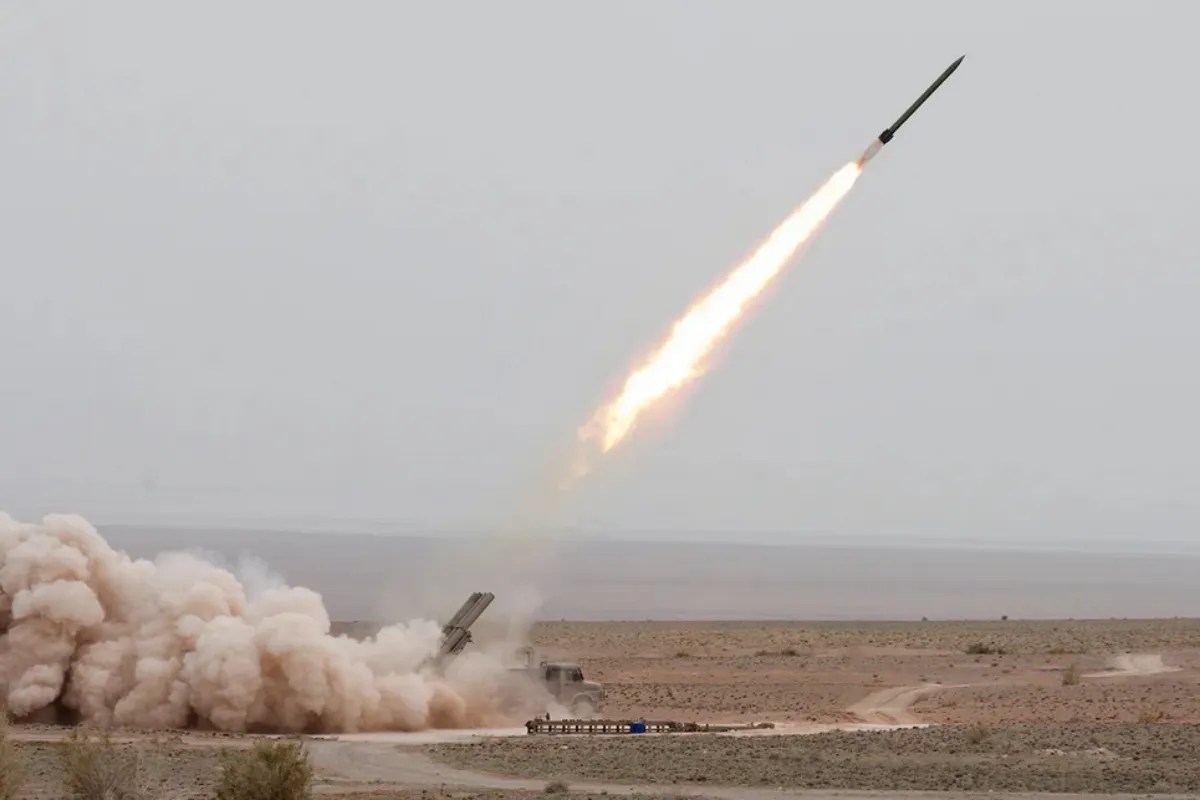
The headlines are screaming that Israel is "scared" of Iran. They claim the hesitation to launch a massive ground operation is a sign of weakness or a fear of Tehran’s retaliation. This narrative is not just wrong; it is intellectually lazy. It assumes that military restraint equals cowardice. In reality, what we are witnessing is not fear, but a calculated refusal to play a game defined by 20th-century optics.
Most analysts are obsessed with "boots on the ground" as the only metric of resolve. They see a lack of immediate invasion and assume the Israel Defense Forces (IDF) are paralyzed. I have spent years tracking geopolitical shifts in the Middle East, and I can tell you: if you think Israel is waiting because it’s scared, you are missing the entire chessboard.
The Myth of the Ground Operation as a Victory Metric
The common consensus suggests that unless tanks are rolling through sovereign territory, the military is failing. This is a trap. Ground operations are expensive, bloody, and—most importantly—often unnecessary for achieving modern strategic objectives.
Israel isn't avoiding a ground war because it fears Iran’s proxy networks. It’s avoiding it because the IDF has transitioned into a precision-strike, intelligence-heavy force that views traditional land grabs as a liability. Why occupy a hill when you can dismantle the command structure from a thousand miles away?
The "fear" narrative serves Iran’s propaganda machine, but it also serves the Israeli cabinet. If the world thinks you are hesitant, the pressure for immediate "de-escalation" drops. It buys time. While the media debates "why they won't go in," the actual work of degrading logistics, intercepting shipments, and neutralizing key personnel happens in the shadows.
Iran is a Paper Tiger with a Very Loud Roar
Let’s look at the data. Iran’s military strategy relies almost entirely on asymmetric warfare and psychological operations. Their domestic economy is a shambles, their air force is a flying museum of 1970s tech, and their internal stability is a tinderbox.
Israel knows this. The hesitation isn't about what Iran can do; it’s about what happens after the strike. A ground operation creates a vacuum. Vacuums are filled by chaos.
- Logic Check: If Israel were truly "afraid," it wouldn't be conducting brazen operations in the heart of Tehran.
- The Reality: Israel is waiting for the precise moment when a strike produces the maximum political collapse within the IRGC, not just a tactical win on a map.
The "People Also Ask" sections on search engines are currently filled with queries like "Will Iran destroy Israel?" or "Is Israel losing the war?" These questions are fundamentally flawed. They assume a binary win/loss state in a conflict that is actually about endurance and technological overmatch. Israel is not losing; it is recalibrating the definition of winning.
The Cost of Conventional Warfare in a Digital Age
I’ve seen military budgets wasted on "show of force" deployments that achieve zero long-term results. Sending 50,000 troops into a meat grinder to satisfy a headline is a rookie mistake.
The IDF's current posture is a masterclass in strategic patience. By refusing to commit to a massive ground invasion immediately, they:
- Starve the proxies of targets: Hezbollah and Hamas thrive when they have an occupying force to shoot at. Deny them the occupation, and you deny them their primary recruitment tool.
- Expose the cracks in the Axis of Resistance: When no immediate "invasion" happens, the internal tensions within these groups begin to surface. Who is paying the bills? Why isn't the "Great Satan" attacking yet?
- Conserve high-value assets: Every day a tank isn't in a village is a day its crew is training and its maintenance cycle is protected.
The downside to this approach? It looks like "doing nothing" to the untrained eye. It looks like weakness to the populist base. But war is not a spectator sport, and it certainly shouldn't be managed by social media sentiment.
Stop Asking if They Will Invade
You are asking the wrong question. The question isn't "When will the ground operation start?" The question is "Why do we still think ground operations are the only way to win?"
Modern warfare is won in the electromagnetic spectrum, the financial markets, and through targeted kinetic strikes that leave the enemy wondering where the next blow is coming from.
Israel is currently engaging in a multi-domain suppression strategy. They are dismantling the "Ring of Fire" that Iran spent forty years building, and they are doing it without falling into the trap of a prolonged urban occupation. That isn't fear. That is an evolution.
The Strategy of Strategic Ambiguity
The competitor’s article claims Israel is "refusing" to send troops. Refusal implies a choice made out of dread. Choice, in this context, is actually a luxury of the superior force.
When you are the stronger party, you dictate the tempo. You choose the terrain. If the terrain is "everywhere and nowhere," the weaker party (Iran) must remain on high alert 24/7. This creates a state of perpetual exhaustion.
Imagine a scenario where a military doesn't need to cross a border to change a regime. We are closer to that reality than the "tank-and-trench" enthusiasts realize. Israel’s tech sector isn't just for exports; it is the backbone of a military doctrine that views human infantry as a last resort, not a primary tool.
The "lazy consensus" wants a cinematic war—explosions, flags being raised, and clear borders. But the reality is a grinding, invisible war of attrition where the side that moves less often wins more.
The world is waiting for a conventional explosion. Israel is delivering a systemic implosion. If you can't tell the difference, you shouldn't be writing about the Middle East.
Stop looking for the troop movements. Start looking at the power outages, the mysterious "accidents" in missile facilities, and the sudden silence of key commanders. That is where the war is being won.
The ground operation isn't being "denied" because of fear. It is being withheld because it’s a 20th-century solution to a 21st-century problem.
The IDF isn't hiding behind a wall. They are waiting for the enemy to choke on its own shadow.