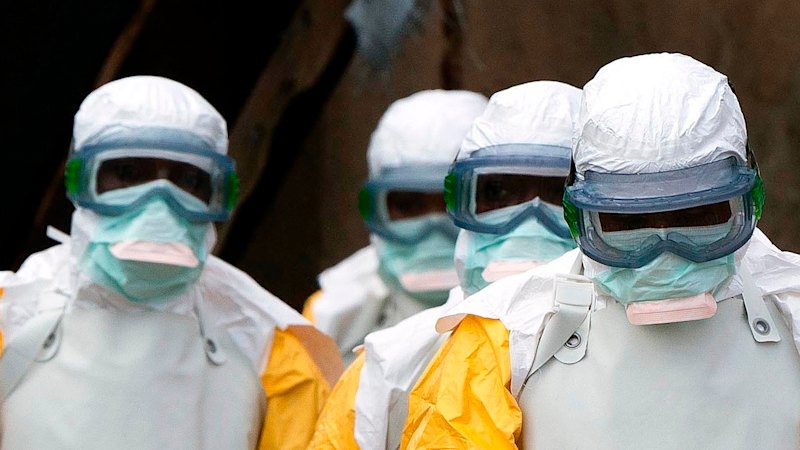
Ebola doesn't always start with a loud explosion of cases. Sometimes, it just creeps in. That is exactly what happened during the latest Ebola outbreak in Central Africa, where the virus quietly circulated among rural communities for weeks before health officials even realized they had a crisis on their hands. By the time the first official case was logged, the chain of transmission was already dangerously long.
If you think modern global surveillance means we catch every deadly pathogen instantly, you are wrong. The reality of public health on the ground is messy. When a virus shares early symptoms with common tropical diseases, a slow response is almost guaranteed.
Understanding why this outbreak stayed under the radar is vital. It reveals the glaring gaps in global health security that put everyone at risk.
The Weeks of Silence That Fueled the Spread
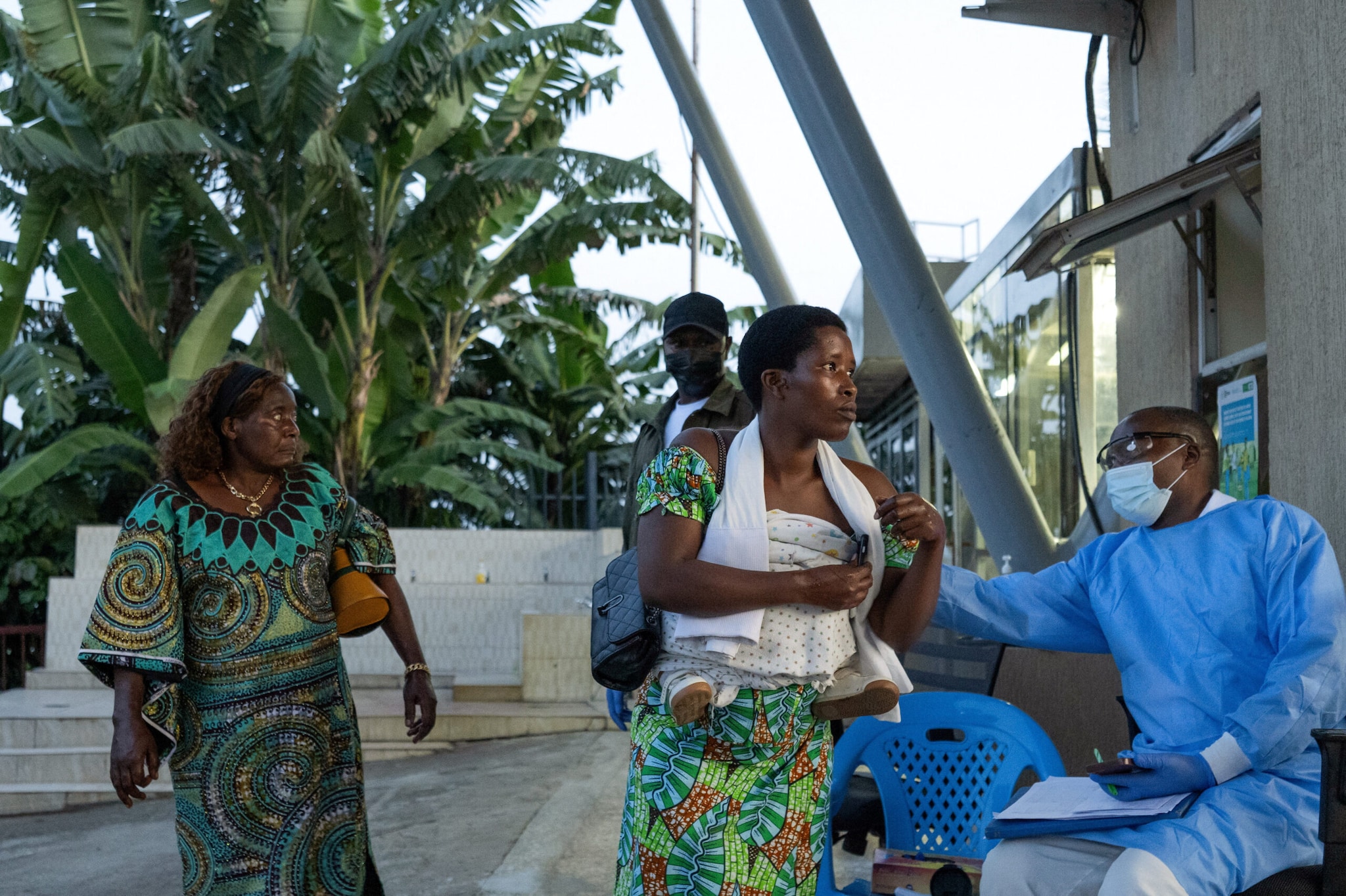
The virus began its spread in a remote forested region. In these areas, the nearest clinic is often a day's walk away. When people first started getting sick with fevers, fatigue, and muscle aches, nobody panicked. They assumed it was malaria. They thought it might be typhoid. These are everyday realities in these villages.
Because of this, people did what they usually do. They stayed home. They visited local traditional healers. They looked after their sick relatives without any protective gear.
This initial misidentification gave the Ebola outbreak a massive head start. The virus thrives on close human contact. Every family member who tended to a sick loved one, and every person who participated in traditional funeral practices involving the washing of bodies, became the next link in the chain.
Health systems failed to notice because the early numbers did not look like an epidemic. They looked like a bad malaria season. By the time a cluster of unexplained deaths finally triggered an alert to regional health authorities, the virus had already moved across several villages. Weeks of unchecked transmission meant that tracking down every contact was now a logistical nightmare.
Why Early Detection Keeps Failing in Rural Communities
We have advanced diagnostic tools and rapid response teams, but they are useless if nobody sounds the alarm. The breakdown in early detection comes down to a few systemic failures that the international community regularly ignores.
First, frontline clinics lack basic diagnostic gear. A community health worker at a remote outpost cannot run a Polymerase Chain Reaction test. They have to rely on clinical symptoms alone. When Ebola looks identical to malaria or dengue in its first few days, relying on sight and a thermometer is a losing strategy.
Second, there is a deep-rooted mistrust of official medical institutions. Past outbreaks taught local populations that reporting a illness can mean forced isolation, the destruction of personal property, and the disruption of sacred burial rites. When people fear the response more than the disease, they hide the sick.
Data from previous outbreaks handled by the World Health Organization shows that community resistance drops drastically when locals are integrated into the response team rather than being dictated to by outsiders. Yet, every time a new outbreak occurs, agencies make the same mistake of deploying heavy-handed tactics before building trust.
The Changing Behavior of the Ebola Virus
We often picture Ebola as a hemorrhagic fever that causes rapid, dramatic bleeding from every orifice. That classic image is misleading. Medical experts tracking recent strains note that many patients exhibit less obvious symptoms.
Nausea, vomiting, abdominal pain, and severe dehydration dominate the clinical picture now. Bleeding occurs in a minority of cases, often only in the terminal stages. This clinical shift makes the disease even harder to spot immediately.
Doctors working with organizations like Médecins Sans Frontières have pointed out that without the telltale signs of bleeding, even experienced clinicians can misdiagnose the infection during the crucial first week. The virus has not necessarily mutated to become less lethal; rather, our understanding of its full clinical spectrum has evolved. It is a quiet killer before it becomes a loud one.
What Needs to Change to Prevent the Next Blind Spot
Stopping the next silent outbreak requires shifting resources away from reactive panic and toward permanent infrastructure. Waiting for an international emergency declaration to fund regional laboratories is a broken strategy.
- Deploy Multiplex Rapid Tests: Frontline clinics need strip tests that can differentiate between malaria, typhoid, and hemorrhagic fevers simultaneously from a single drop of blood.
- Fund Local Surveillance Networks: Local elders, traditional healers, and pharmacists see the sick first. Training them to recognize unusual clusters of illness creates a functional early warning system.
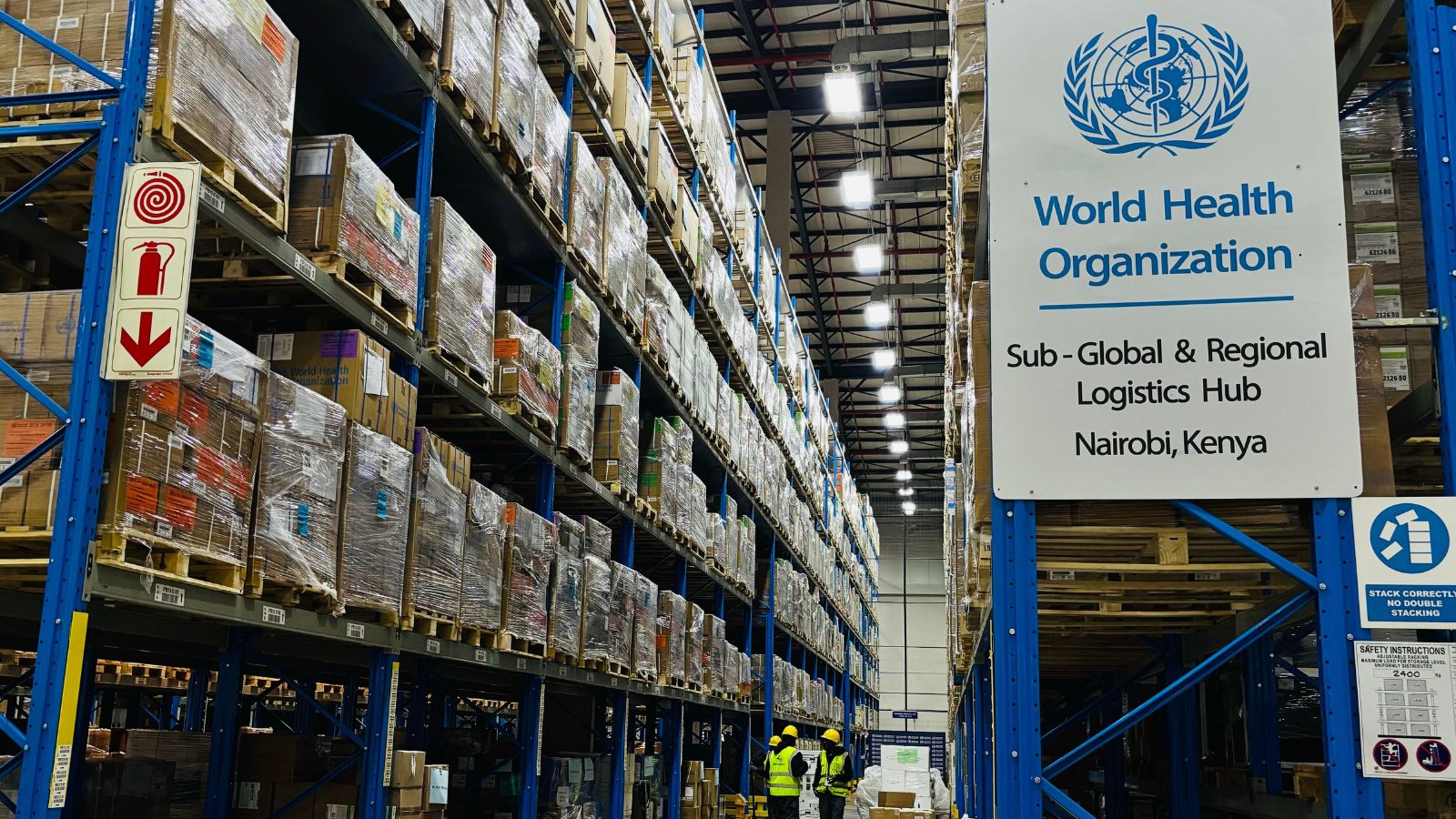
- Stockpile Vaccines Regionally: The Ervebo vaccine is highly effective, but logistics delay its deployment. Stockpiling doses in regional hubs across at-risk zones slashes response times from weeks to hours.
The lesson from this latest outbreak is clear. The greatest threat is not the virulence of the pathogen itself, but the time we lose through denial, poor infrastructure, and late detection. True biosecurity starts at the rural clinic level, not in boardroom meetings in Geneva.
Fixing these gaps requires immediate, sustained funding for localized healthcare infrastructure before the next quiet chain of transmission begins.