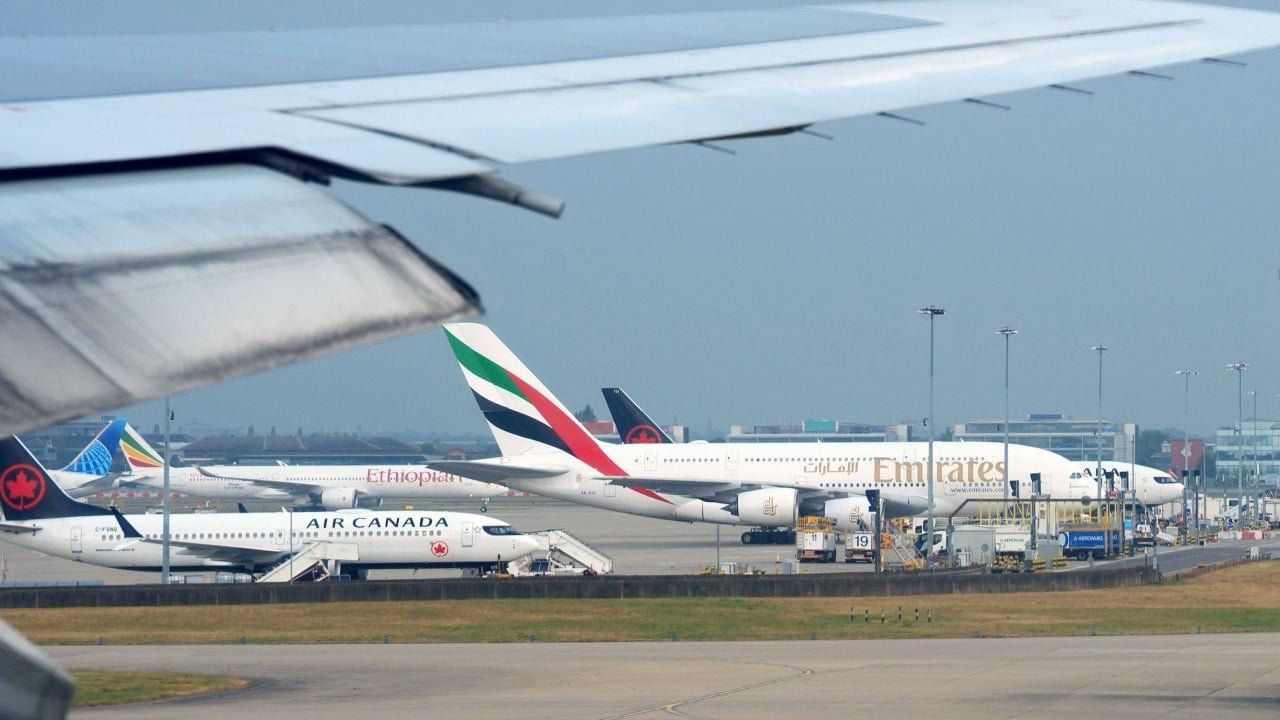
The British government has granted an indefinite waiver allowing the importation of diesel and jet fuel refined from Russian crude oil in third countries. The policy reversal, executed via two trade licences on Wednesday, aims to protect the domestic economy from severe fuel shortages and skyrocketing forecourt prices driven by the ongoing conflict in Iran and the de facto blockade of the Strait of Hormuz. By prioritizing domestic energy security over its previous geopolitical pledges, London has infuriated allies in Kyiv, disrupted the G7 alignment on economic warfare, and exposed a critical vulnerability in the UK industrial strategy.
For months, British ministers maintained that the UK would close the notorious third-country refining loophole, an economic blind spot that allows Russian oil to lose its national identity once processed in refineries across India or Turkey. Instead, faced with the realities of an international maritime crisis, the government buckled.
The Panic Behind the Trade Licences
Publicly, Downing Street insists that the UK position on Moscow remains unyielding. Prime Minister Keir Starmer told parliament that the shift was merely a technical measure designed to phase in separate sanctions packages and protect consumers, denying that pressure on the Kremlin was being eased.
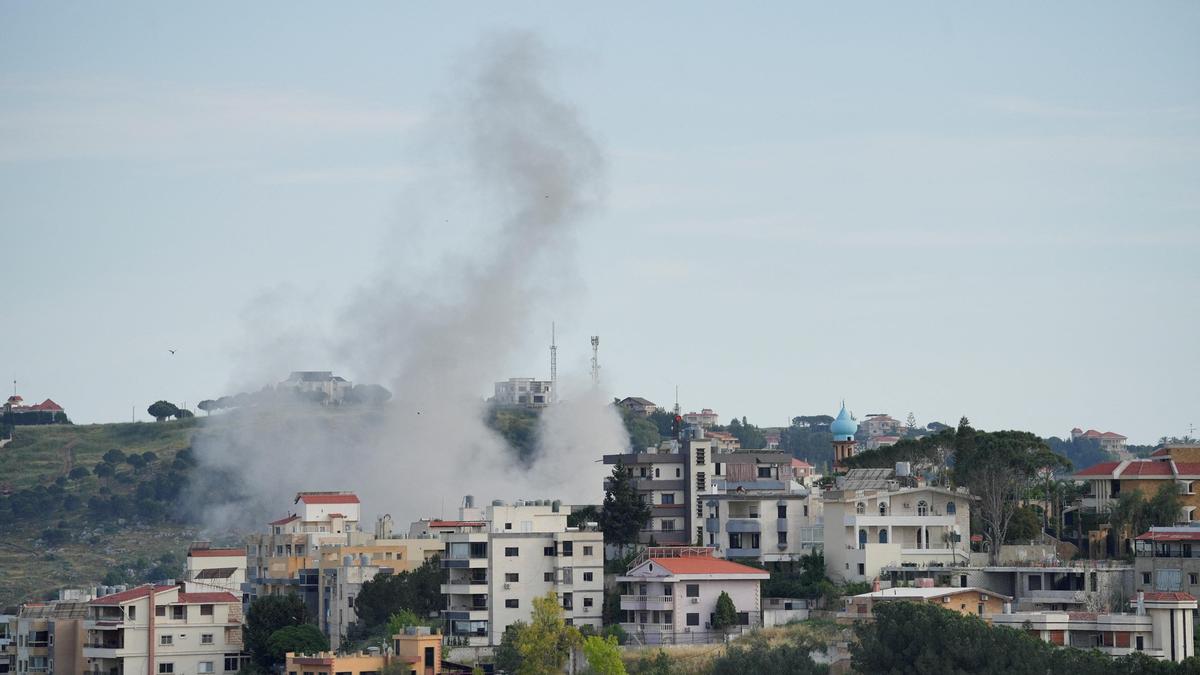
The immediate catalyst for the decision sits thousands of miles away in the Persian Gulf. The conflict involving Iran has strangled traffic through the Strait of Hormuz, the world's most critical oil transit chokepoint. The resulting supply crunch has driven global fuel prices to heights not seen in years, with UK petrol prices hitting 158.5p per litre at the forecourt, eclipsing historical highs.
Unlike its European neighbors, Britain is uniquely exposed to these supply shocks. Decades of industrial decline have left the UK reliant on imported refined petroleum products. The recent closure of major domestic processing facilities, including Scotland’s historic Grangemouth refinery and scaling back at the Lindsey plant, stripped the country of its refining buffer. When the Middle East went dark, Britain had no choice but to look for fuel wherever it could find it.
How the Refining Loophole Actually Works
The mechanics of the trade waiver expose the hollow nature of modern economic sanctions. Under the strict rules introduced after the 2022 invasion of Ukraine, direct imports of Russian crude oil into the UK were banned. However, international maritime law and standard customs definitions dictate that when raw crude is substantially transformed in a third country, it changes its origin.
A refinery in Gujarat, India, can purchase heavily discounted Russian Urals crude, blend it, crack it into aviation turbine fuel or diesel, and legally sell it to Western buyers. Investigative data from groups like Global Witness previously established that this single loophole funneled hundreds of millions of pounds back to the Russian state treasury through mineral extraction taxes. By formalizing and extending an "indefinite" licence for these imports, the UK government has guaranteed a steady, legal market for products that keep the Kremlin's economic engine running.
| Fuel Type | Main Third-Country Refiners | UK Market Impact |
|---|---|---|
| Diesel | Turkey, India | Heavy industrial transit, freight haulage stabilization |
| Jet Fuel | India, Middle East Hubs | Commerical aviation cost control ahead of peak travel seasons |
Trade Minister Chris Bryant offered a rare moment of bureaucratic candor in the House of Commons, apologizing to lawmakers for the government's "clumsy" handling of the announcement. He claimed the waiver would be kept as temporary as possible, but the legal text of the licence tells a different story. It remains open-ended, subject only to periodic reviews tied directly to domestic fuel costs.
The Political Backlash At Home And Abroad
The decision has triggered a fierce response from diplomatic allies and domestic political opponents alike. In Kyiv, officials expressed deep frustration, pointing out that Ukrainian forces have spent months launching high-risk drone strikes against domestic Russian refineries, successfully knocking out roughly 10% of Moscow's processing capacity.
"We are talking about our allies in Ukraine who have been fighting a war bravely against Russia for years with our support," said Dame Emily Thornberry, chair of the Foreign Affairs Committee. "They looked to Britain as one of their most important allies, and they don't understand, given that we promised that we would stop this loophole in October, and we still haven't done it. In fact, it seems to have got worse. People feel very let down."
🔗 Read more: Why Peter Magyars New Economic Plan Actually Matters
Domestically, the timing of the waiver created a political nightmare for the Labour administration. Just hours before the trade licences took effect, government MPs voted down a Conservative amendment to the King's Speech that would have approved new oil and gas drilling licences in the North Sea, specifically targeting the Rosebank and Jackdaw fields.
Opposition leader Kemi Badenoch labeled the policy hypocrisy. She argued that blocking domestic energy production while quietly greenlighting the import of products derived from Russian crude was an act of industrial self-harm that actively funded the Russian war effort. Energy Secretary Ed Miliband countered that the administration is avoiding the extreme of drilling for every last drop while managing an unprecedented global supply crisis.
A Splintered Western Sanctions Alliance
The UK decision represents a significant break from its international partners. European Union officials confirmed that Brussels is not planning a similar softening of its stance on third-country Russian imports, threatening to create an regulatory schism within European fuel markets.
Conversely, the UK move mirrors recent actions taken across the Atlantic. US Treasury Secretary Scott Bessent extended a temporary sanctions waiver allowing the purchase of Russian oil shipments already at sea to prevent a full-blown energy crisis in Washington.
The uncomfortable reality facing Western capitals is that economic warfare has limits. When sanctions threaten the stability of domestic transport networks, power grids, and airline schedules, realpolitik invariably triumphs over diplomatic solidarity. The UK could not afford a summer of fuel shortages and airport shutdowns.
By issuing these licences, the British government chose to preserve its domestic economy at the direct expense of its foreign policy credibility. The transition away from Russian energy was always marketed to the public as a moral imperative. Now, under the pressure of a broader global conflict, the true price of that morality has proven too high for London to pay.