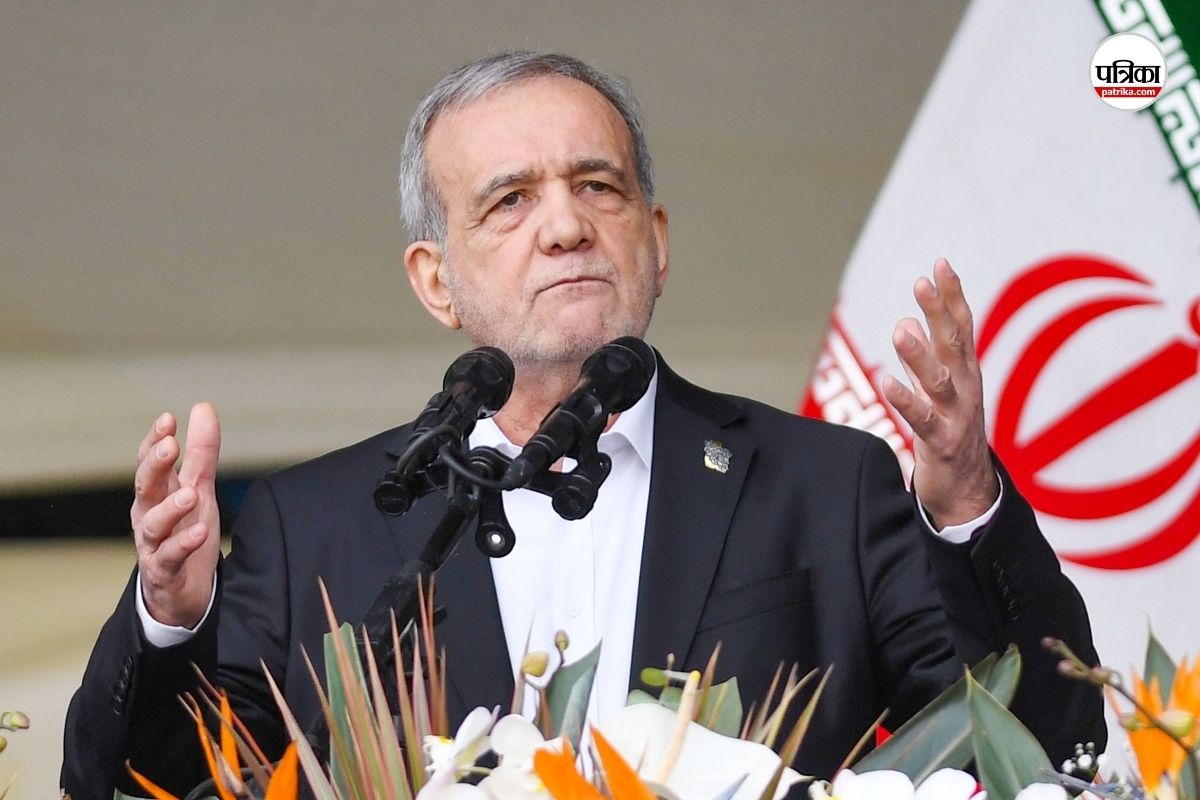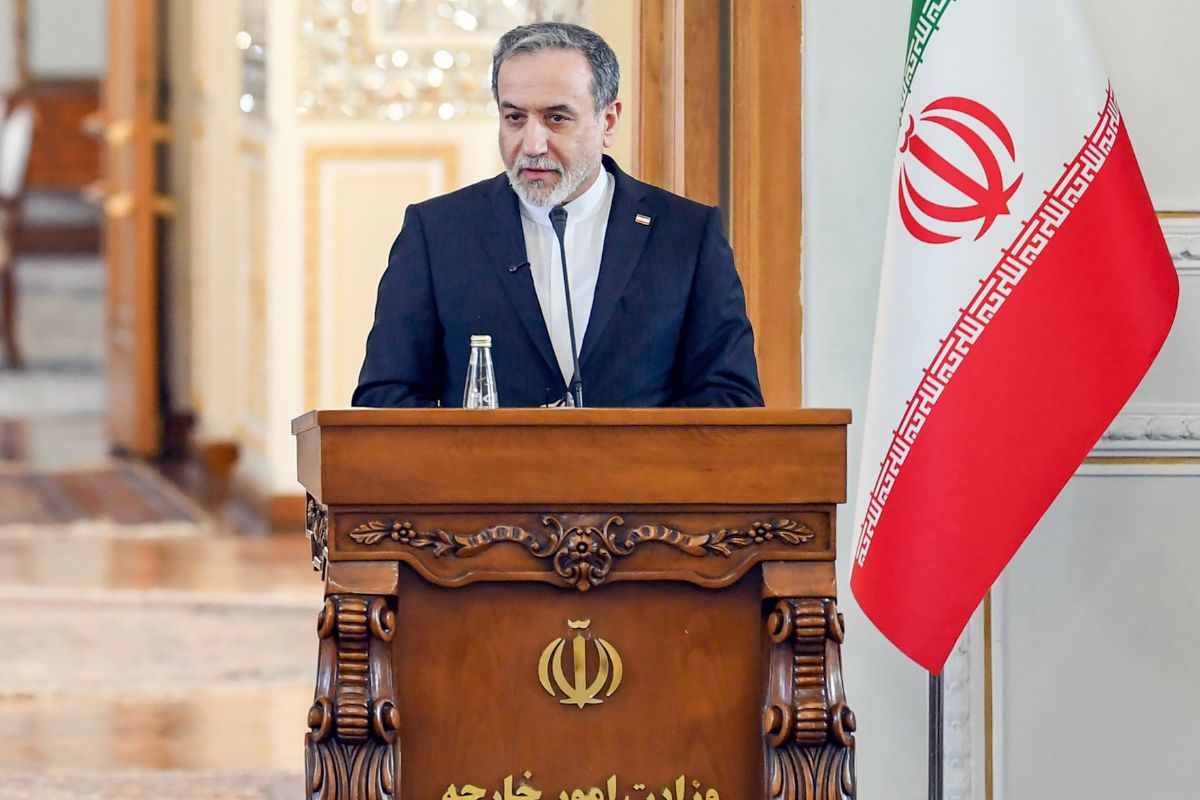
Geopolitics is often treated like a chess match, but when it comes to the United States and Iran, it is more like professional wrestling—highly choreographed, loud, and designed to distract the audience while the real money changes hands backstage. The media is currently obsessed with Washington’s "15-point plan" and the fiery rhetoric coming from the Iranian Speaker of Parliament. They want you to believe we are on the precipice of a global conflagration that will wreck oil markets and redraw the map of the Middle East.
They are wrong.
The "15-point plan" isn't a roadmap to peace, nor is it a serious attempt at regime change. It is a structural anchor designed to maintain a "frozen conflict" that serves the domestic political needs of both elites in Washington and the hardliners in Tehran. If you are waiting for a definitive resolution, you are fundamentally misunderstanding the business model of modern warfare.
The Myth of the "Sincere" Negotiation
Most analysts look at these 15 points—demanding an end to uranium enrichment, a halt to missile development, and the withdrawal of regional proxies—and ask: "Will Iran comply?"
This is the wrong question.
The right question is: "Why did the US draft a list of demands it knew with 100% certainty would be rejected?"
In my years analyzing trade flows and defense contracts, I’ve seen this pattern repeatedly. When a superpower issues an ultimatum that requires the total capitulation of a sovereign state’s identity, they aren't looking for a "yes." They are looking for a "no" that justifies the next three years of defense spending.
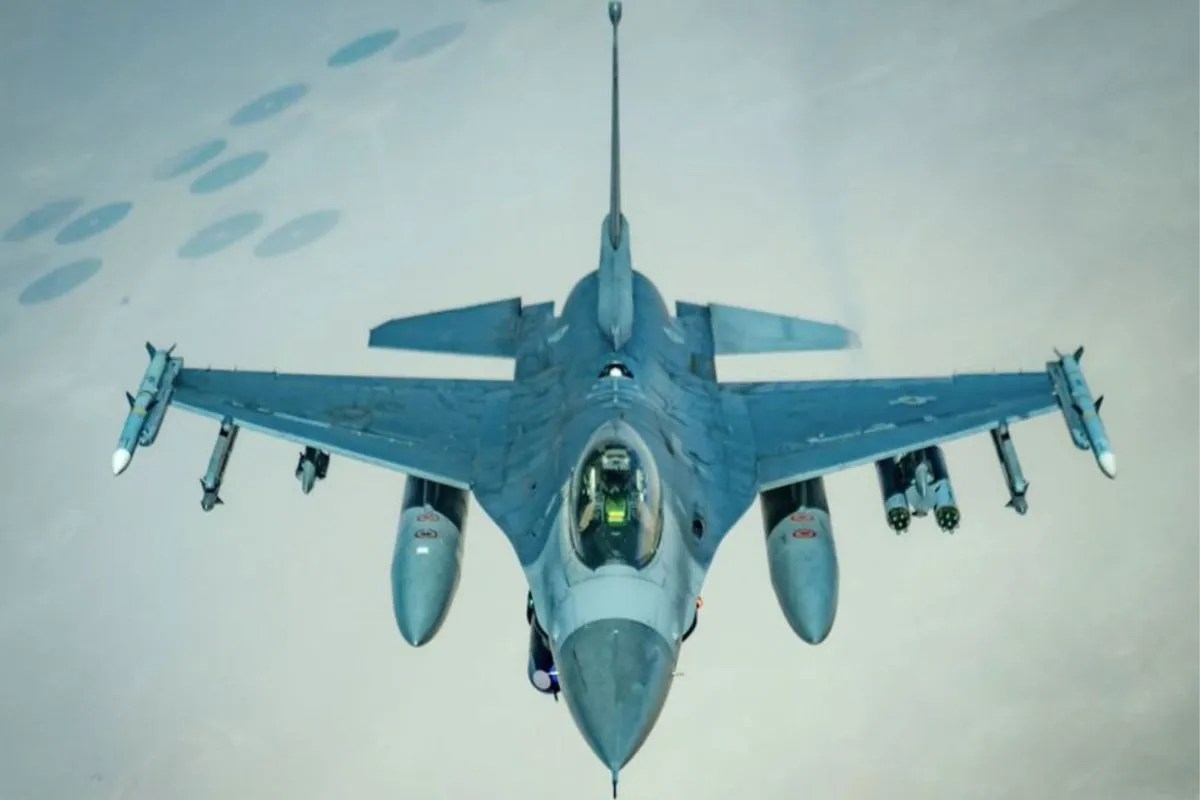
The 15 points are designed to be impossible. If Iran actually accepted them, the US would lose its primary justification for its massive military footprint in the Persian Gulf. The defense industry doesn't profit from a peaceful, integrated Iran; it profits from the threat of a nuclear Iran.
Why Tehran Needs the Great Satan
On the flip side, the Iranian Speaker’s "stern warnings" are music to the ears of his own base. The Iranian economy is suffocating under mismanagement and corruption that goes far beyond simple sanctions. Nothing hides a failing domestic economy better than an external existential threat.
When the US releases a 15-point plan, they give the Iranian leadership a gift. It allows them to frame every internal protest and every spike in the price of eggs as an act of American "economic terrorism." Without the US as a foil, the Iranian government would have to explain to its youth why a country with the world's fourth-largest oil reserves has a currency that is essentially wallpaper.
- Logic Check: If the US truly wanted to collapse the Iranian regime, it wouldn't use 15 points. It would use one: "We will buy all your oil at market price in exchange for a McDonald’s in Isfahan."
- The Reality: Consumerism and economic integration kill revolutionary zeal far faster than aircraft carriers ever could. But you can't sell missiles to Riyadh if Tehran is busy building shopping malls.
The Oil Price Paradox
The "lazy consensus" says that increased tension between the US and Iran will send oil to $150 a barrel. This ignores the basic mechanics of the modern energy market.
Whenever there is a headline about a "clash in the Strait of Hormuz," speculators jump in, the price spikes for 48 hours, and then reality sets in. The world is currently awash in supply. Between US shale output and the desperate need for Russia and Iran to sell oil on the "grey market" to fund their operations, there is no physical shortage.
Iran needs to keep the oil flowing to survive. The US needs to keep the oil flowing to prevent inflation from tanking the next election cycle. Both sides are incentivized to bark loudly while ensuring the tankers keep moving. The "escalation" we see in the headlines is a controlled burn.
The Proxy War Fallacy
The competitor’s article focuses on the threat of Iran's regional proxies. This is another area where the public is being sold a narrative of chaos that is actually a narrative of containment.
Iran’s use of proxies isn't a sign of strength; it’s a sign of weakness. It is a low-cost way to project influence because they cannot afford a conventional blue-water navy or a modern air force. The US knows this. By keeping Iran occupied with these small-scale skirmishes, the US ensures that Iran remains a regional player rather than a global one.
I’ve sat in rooms with people who manage these "risk profiles." They don't want the proxies gone. If the proxies disappeared, they would have to deal with the actual Iranian military, which is much harder to "manage" through deniable drone strikes and targeted sanctions.
The Cost of the Status Quo
There is a downside to my contrarian view: the human cost. While the elites in both countries play this high-stakes game of chicken, the Iranian middle class is being wiped out, and US taxpayers are subsidizing a permanent wartime footing in a region that is becoming increasingly irrelevant to global energy needs as we pivot toward different power sources.
The 15-point plan is a document of stasis. It is the diplomatic equivalent of a "busy work" assignment. It keeps the diplomats busy, the generals funded, and the headlines screaming.
If you want to know what's actually happening, stop reading the 15 points and start watching the flow of illicit capital through Dubai and the movement of shadow tankers off the coast of Singapore. That is where the real "plan" is being executed.
The "stern warnings" from the Iranian Speaker are the sound of a man reading a script. He knows his role. Washington knows theirs. The only people who don't know the script are the ones reading the mainstream news and waiting for a war that has been "starting" for forty years.
Stop looking for the spark that starts the fire. The fire is already burning, and both sides are using it to stay warm.