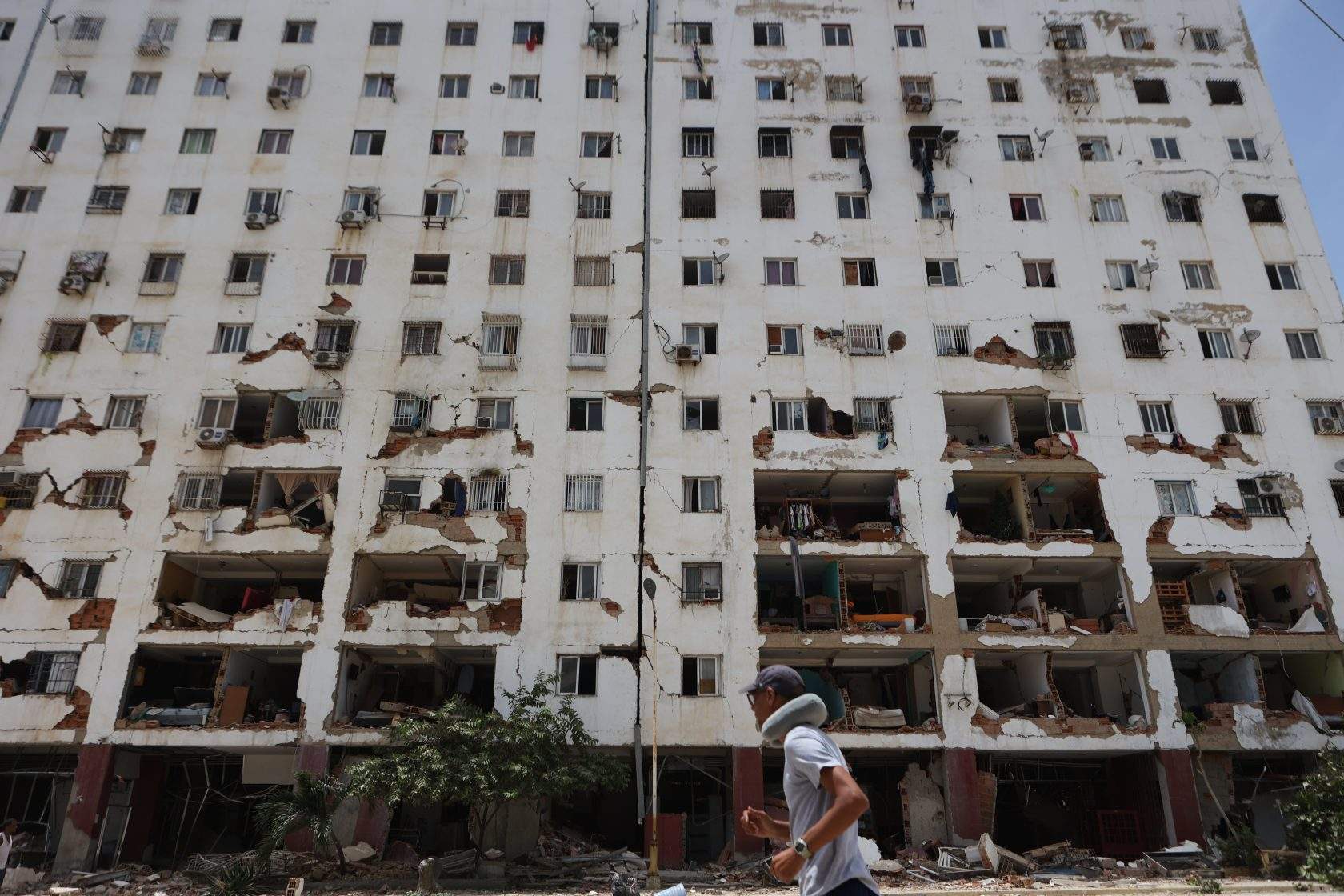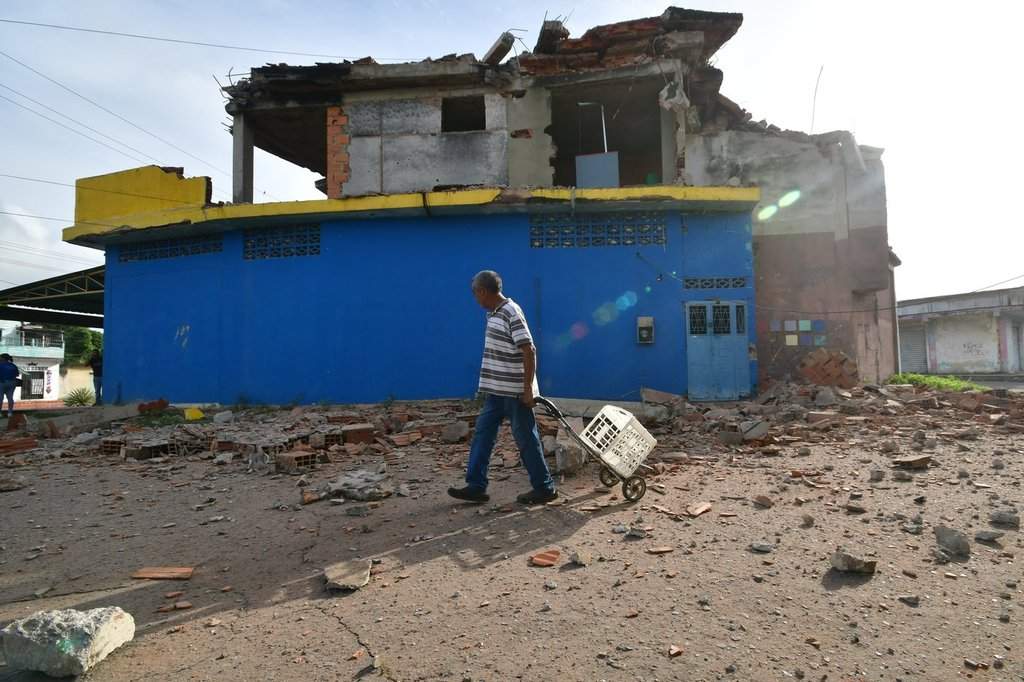
India just launched Operation Amistad to send urgent relief and medical aid to Venezuela after a devastating earthquake. Most mainstream news reports give you the basic facts. They tell you the cargo weight, the departure airport, and official quotes from diplomats. But they miss the bigger picture. This dispatch is not just a standard charity run. It marks a major shift in how international disaster response operates.
When a massive earthquake rattles a nation already dealing with complex economic struggles, the first few days are chaotic. Survival depends on speed. By stepping up immediately with heavy-lift aircraft and specialized medical supplies, New Delhi is proving that its humanitarian reach is no longer confined to its immediate neighbors in Asia. Also making waves recently: The Mechanics of Post Earthquake Mass Casualty Events Quantitative Analysis of Infrastructure Failure and Logistics Bottlenecks.
Moving Beyond Geopolitics When Disaster Strikes
Geopolitics usually dictates who helps whom. Western nations often hesitate when dealing with Caracas due to long-standing political friction and sanctions. India takes a different path. This move highlights a foreign policy strategy that prioritizes humanitarian assistance and disaster relief over political alignments.
Crises like this show why emergency response cannot wait for diplomatic disputes to clear up. When the ground shakes, infrastructure crumbles. Water systems fail. Hospitals quickly become overwhelmed by trauma patients. India sending aid through Operation Amistad shows that saving lives overrides international political standoffs. It sets a precedent for middle powers taking charge when traditional Western aid machinery moves too slowly. More information into this topic are covered by The Guardian.
India Disaster Diplomacy is Moving Beyond Its Backyard
For decades, Indian humanitarian operations focused on the Indian Ocean region. We saw this during the 2004 tsunami, the 2015 Nepal earthquake, and various cyclones in Mozambique or Madagascar. Those efforts made sense geographically. They were right in India's backyard.
Operation Amistad changes that playbook completely. Flying tons of supplies across the Atlantic to South America requires massive logistical coordination. It shows a growing confidence in long-range logistics.
This isn't an isolated incident either. Look at Operation Dost in Turkey or India's rapid vaccine shipments during global health crises. New Delhi wants to be seen as a first responder for the Global South. By stepping up in Venezuela, India is cementing its role as a reliable partner for developing nations, regardless of the distance.
Many analysts get this wrong. They think these missions are purely about scoring diplomatic points. That is only a small part of it. The real value lies in testing and proving national logistical capabilities under extreme pressure.
The Logistical Nightmare of Flying Aid Across Oceans
Sending aid halfway across the world is incredibly difficult. You don't just pack boxes and put them on a commercial flight.
First, look at the aircraft. India relies heavily on its fleet of C-17 Globemaster III transport planes for these long-haul missions. These military workhorses fly massive payloads over thousands of miles. But flying to South America means securing overflight clearances from multiple countries on short notice. Every delay on a runway means someone lacks clean water or surgical care.
Second, the cargo itself requires careful planning. You can't just throw random medicines into a crate. Emergency shipments must match the exact needs on the ground. For an earthquake zone, that means heavy machinery parts for search and rescue, structural evaluation tools, and portable power grids.
If the local power grid fails, a box of antibiotics does no good because doctors cannot see to administer them. Indian planners have learned from past mistakes. They now pack self-sustaining aid modules that function independently of local infrastructure.
What Earthquake Victims Actually Need in the First Seventy Two Hours
Media outlets love showing pictures of generic boxes being loaded onto planes. They rarely explain what is inside those containers or why it matters.
In the immediate aftermath of a major quake, the medical needs follow a predictable, brutal timeline. The first phase requires trauma care. Crush injuries, severe lacerations, and broken bones dominate the triage centers. India's medical aid packages reflect this reality. They contain bone fixators, blood plasma substitutes, emergency surgical kits, and heavy-duty painkillers.
The second phase, which starts within days, revolves around public health. When water pipes rupture, sewage mixes with drinking water. This triggers outbreaks of waterborne diseases like cholera and typhoid.
To prevent a secondary disaster, Operation Amistad includes portable water purification units and millions of water purification tablets. These compact tablets are lifesavers. A single tablet cleans contaminated water in minutes, keeping field hospitals running and preventing widespread disease outbreaks.
Here is a breakdown of what effective disaster cargo looks like vs what well-meaning citizens often try to send.
- High priority items: Inflatable field hospitals, portable X-ray machines, broad-spectrum antibiotics, clean surgical gloves, and water purification systems.
- Low utility items: Random assortments of unprescribed pills, winter clothing for tropical climates, and perishable food items that rot in transit.
India focuses heavily on the high-priority technical supplies. This approach saves lives because it addresses the structural reality of disaster zones.
Why Technical Expertise Outweighs Cash Donations
When disasters hit, many governments simply pledge millions of dollars. Cash looks good in headlines. It sounds impressive at press conferences. However, cash is slow. Currency cannot pull a survivor out of concrete rubble, and money cannot instantly turn muddy river water into something safe to drink.
Physical aid and technical teams matter infinitely more in the initial chaotic week. India sends field hospitals staffed by military doctors and paramedics who know how to work in tents under flashlights. They bring their own power generators and their own food. They do not burden the host nation's strained resources.
This hands-on approach builds a deeper level of trust. When local doctors work side-by-side with international teams using imported surgical gear, real knowledge exchange happens. It helps local teams cope with the immediate crisis while learning how to manage massive patient inflows during future emergencies.
Avoiding the Pitfalls of Disorganized Relief Operations
History shows that international aid can sometimes hurt more than it helps if it is poorly managed. During the 2010 Haiti earthquake, airport runways became so clogged with uncoordinated aid flights that planes carrying vital medical teams could not land. Some flights circled for hours before being diverted to other countries.
Operation Amistad aims to avoid that specific bottleneck. Indian coordinators work directly with local Venezuelan authorities and international agencies to time their arrivals. They ensure that what lands can be unloaded, sorted, and moved to the affected zones immediately.
Another common mistake is ignoring the local culture and climate. Sending heavy wool blankets to a tropical zone is useless. Sending food that requires complex cooking methods when there is no gas or electricity is equally foolish. India’s relief kits focus on ready-to-eat meals with long shelf lives and lightweight, durable shelter materials suited for local weather conditions.
Next Steps for Global Disaster Response
The unfolding situation in Venezuela shows that disaster response must become more decentralized. The old model relied on a few Western nations to fund and execute all major global relief operations. That model is outdated. It moves too slowly and carries too much political baggage.
Emerging powers must take on more responsibility. Operation Amistad provides a blueprint for how this works in practice. To make this approach standard, nations need to take concrete steps before the next disaster strikes.
First, countries should standardize their medical and relief cargo. If Indian field hospital equipment uses the same power connections and supply lines as regional networks, integration becomes instantaneous.
Second, regional hubs must be established. Flying a C-17 across the ocean works in an emergency, but storing vital supplies in strategic locations worldwide cuts response times from days to hours.
Finally, joint disaster response drills between nations from different hemispheres should become common practice. Knowing how to coordinate air traffic control, customs clearances, and medical triage before the ground starts shaking is the only way to minimize chaos when the next crisis hits.