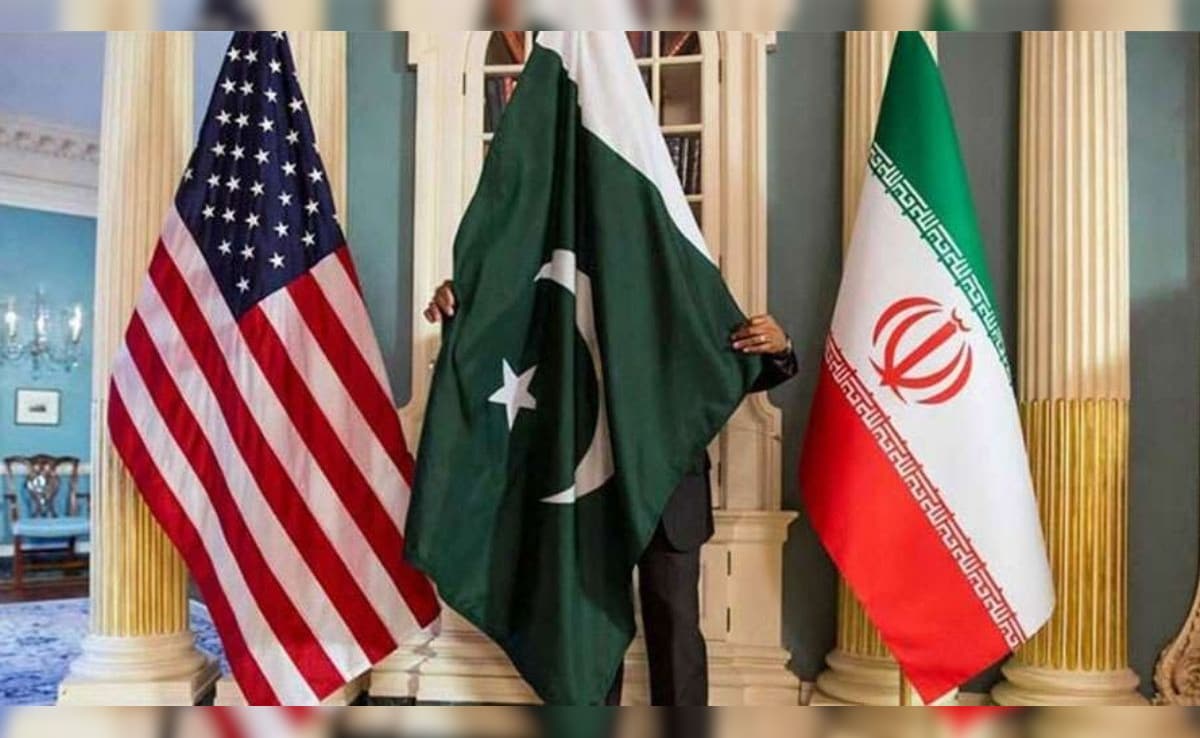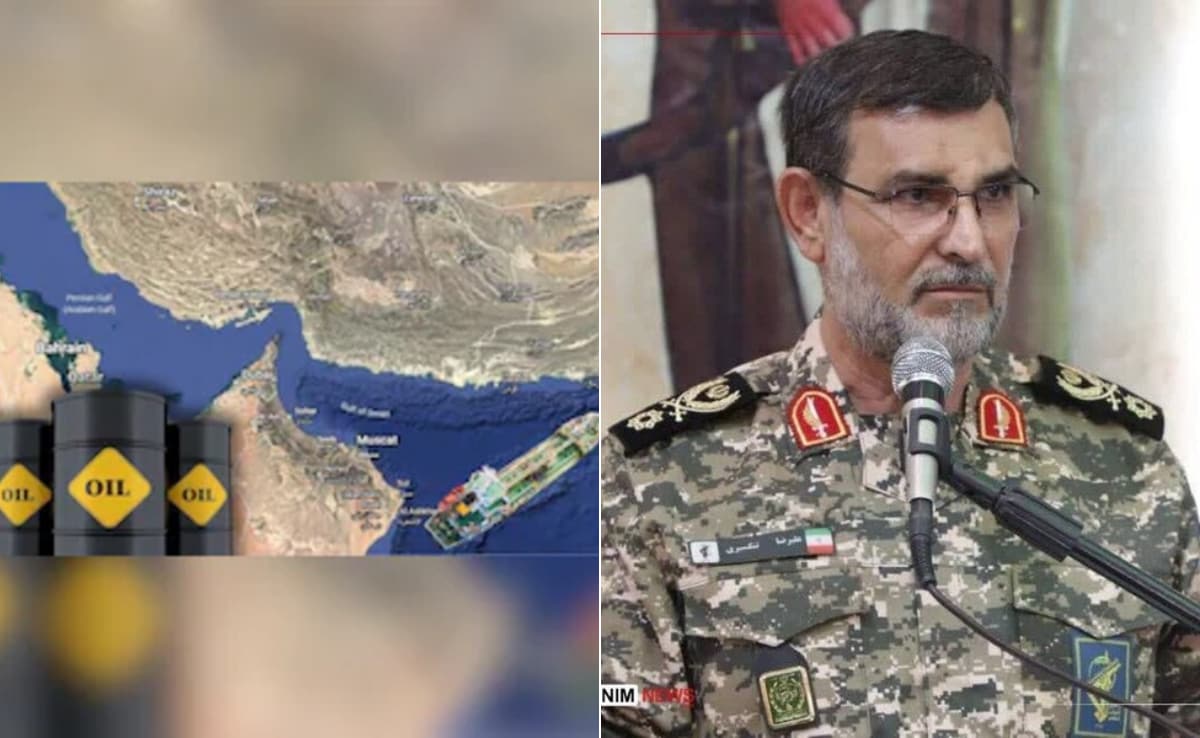
The air in a high-stakes negotiation room doesn't smell like mahogany or expensive cologne. It smells like recycled oxygen and the sharp, metallic tang of adrenaline. When men and women sit down to redraw the maps of global power, they aren't just trading percentages or lifting sanctions. They are trading their lives.
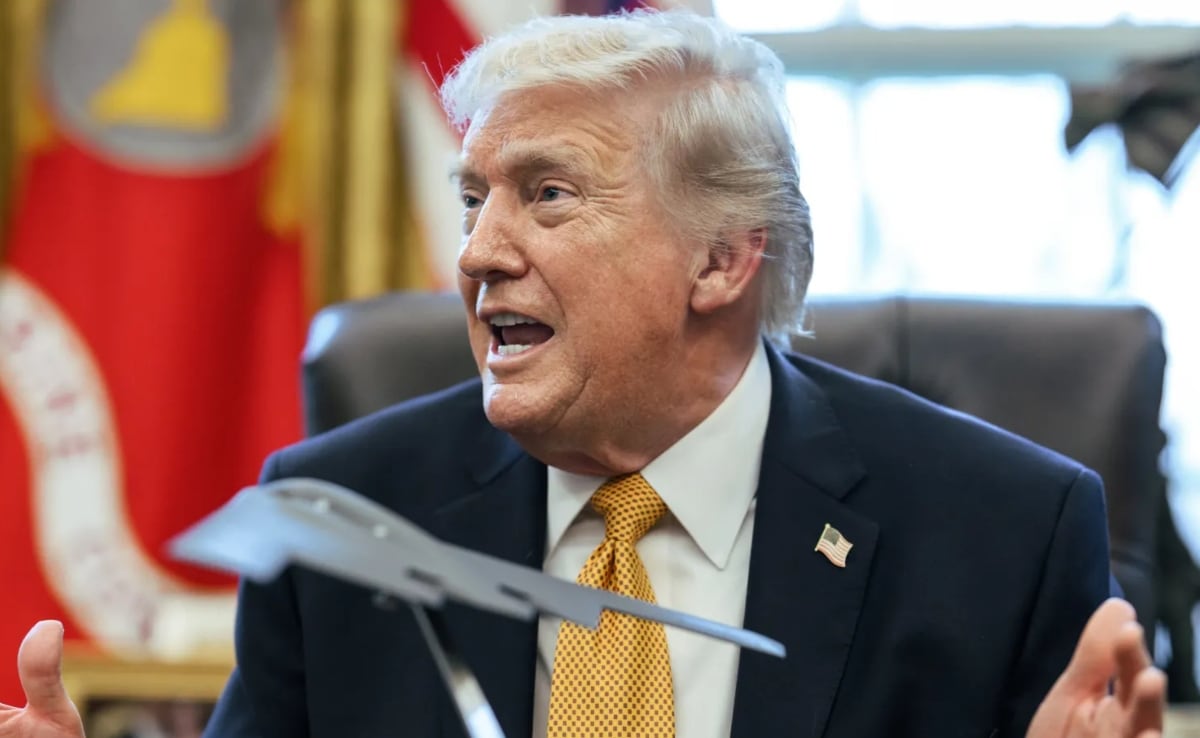
Donald Trump recently pulled back the curtain on this claustrophobic reality. He spoke of a chilling silence from Tehran, a refusal to come to the table that isn't born of stubbornness or simple geopolitical posturing. It is born of a very primal, very human emotion.
Terror.
According to the former president, the people who would usually be tasked with brokering peace between Washington and Tehran are paralyzed. They aren't afraid of a bad deal. They aren't afraid of the American delegation's rhetoric. They are afraid of being murdered by their own side if they so much as pull out a chair at the bargaining table.
The Ghost at the Banquet
Imagine you are a career diplomat in Iran. You have spent decades navigating the Byzantine corridors of power in a regime that views compromise as a form of spiritual and political suicide. You know that the economy is bleeding. You see the protests in the streets, the devaluation of the rial, and the empty shelves in the pharmacies. You know, logically, that a deal with the West is the only tourniquet that can stop the hemorrhaging.
But then you think about your predecessor. Or your colleague. You remember the "accidental" falls, the sudden heart failures, and the executions masked as judicial process.
In this environment, "diplomacy" isn't a career path. It’s a tightrope walk over a pit of vipers.
The Iranian government publicly denies that any such fear exists. They dismiss the idea of peace talks as a non-starter, citing the breach of previous agreements. They play the role of the aggrieved party, standing tall against the "Great Satan." That is the script. But the subtext, the one Trump is highlighting, is written in the blood of those who dared to whisper the word "truce."
The Paradox of the Strongman
There is a fundamental disconnect in how we view international relations. We like to think of nations as monolithic entities, giant chess pieces moved by a single hand. We say "Iran says this" or "The U.S. demands that."
This is a lie.
Nations are collections of terrified individuals. When a leader like Trump claims that negotiators fear for their lives, he is pointing to the friction between the state's public mask and the individual's private survival instinct.
Consider the mechanics of the 2015 nuclear deal. It was a masterpiece of technical jargon and bureaucratic compromise. But for the hardliners in the Islamic Revolutionary Guard Corps (IRGC), it was a betrayal. To them, every dollar that flows back into the Iranian economy through legitimate trade is a dollar that threatens their grip on the black market and their ideological purity.
When the internal power structure of a country relies on a state of perpetual "holy war," any person who tries to end that war becomes an existential threat to the men with the guns.
The Cost of a Handshake
The stakes are higher than mere policy. We are talking about the "invisible cost" of peace.
In Washington, a failed negotiation means a bad news cycle. Maybe a dip in the polls. A book deal where you explain how you were right and everyone else was wrong.
In Tehran, a failed negotiation—or worse, a negotiation that looks successful to the West—can mean a 3:00 AM knock on the door. It means your family being barred from travel, your assets seized, and your name scrubbed from the history books.
Trump’s assertion that "negotiators fear being killed" changes the math of the entire conflict. If the primary obstacle to peace isn't the terms of the deal, but the survival of the people making it, then every diplomatic tool we have is blunt and useless. You can’t offer enough financial incentives to a man who won’t live long enough to spend them.
The Silence of the Phones
The White House and the State Department often talk about "leaving the door open." They talk about "maximum pressure" or "strategic patience." These are comfortable, academic terms. They suggest a world governed by rules and logic.
But what happens when the phone doesn't ring because the person on the other end is looking over their shoulder?
The denial from Tehran is predictable. Admission would be a confession of internal frailty. If the Supreme Leader admits his own diplomats are too scared to do their jobs, the illusion of the unified, iron-willed Islamic Republic shatters. So, they deny. They point to the 2018 withdrawal from the JCPOA as the reason for the stalemate. They cling to the legalities because the realities are too ugly to face.
Logic dictates that when two parties are hurting, they find a middle ground. Iran is hurting. The sanctions have bitten deep into the bone. The middle class is evaporating. Yet, the silence persists.
This isn't a stalemate of strategy. It is a stalemate of mortality.
The Mirror of History
We have seen this before. We saw it in the closing days of the Soviet Union, where reformers lived in constant shadow, wondering if the KGB would find their "Western leanings" to be a capital offense. We see it in every regime where power is concentrated in the hands of a few who view the world through the narrow lens of a zero-sum game.
The tragedy is that the people who suffer most aren't the negotiators or the presidents. It’s the millions of ordinary citizens whose lives are held hostage by the fear of a few dozen men in power.
If a negotiator is too afraid to talk, the bombs eventually do the talking for them. That is the ultimate, grim trajectory of a world where fear replaces diplomacy.
The "Peace Talks" aren't just missing. They are in hiding. They are tucked away in the private thoughts of officials who know what needs to be done but value the warmth of their own breath more than the prosperity of their nation.
We are waiting for a hero who is more afraid of the future than they are of the noose. Until that person emerges—or until the system that holds the noose breaks—the chairs at the table will remain empty, the oxygen will remain stale, and the invisible stakes will continue to rise.
Death is a very effective silencer. But it has never been a foundation for a lasting peace.
One day, someone will have to take that seat. They will have to sit down, look across the table, and hope that the person standing behind them isn't holding a blade. Until then, we are just watching a play where the lead actors are too terrified to take the stage.