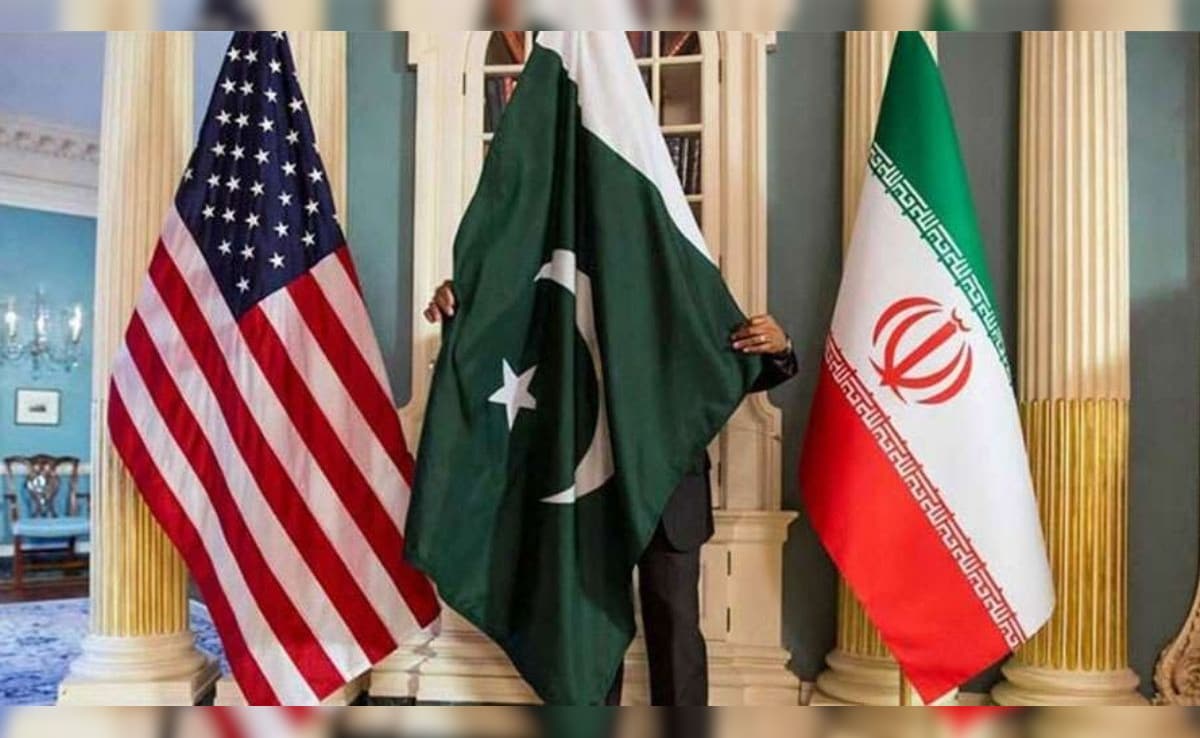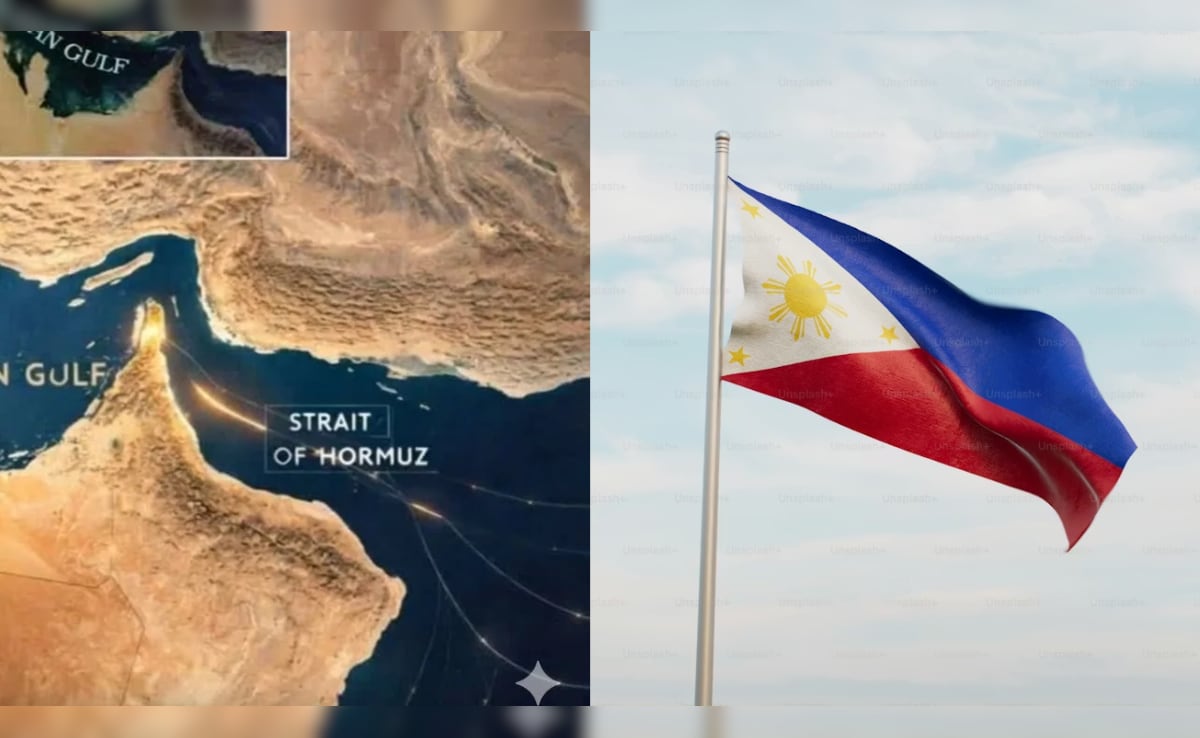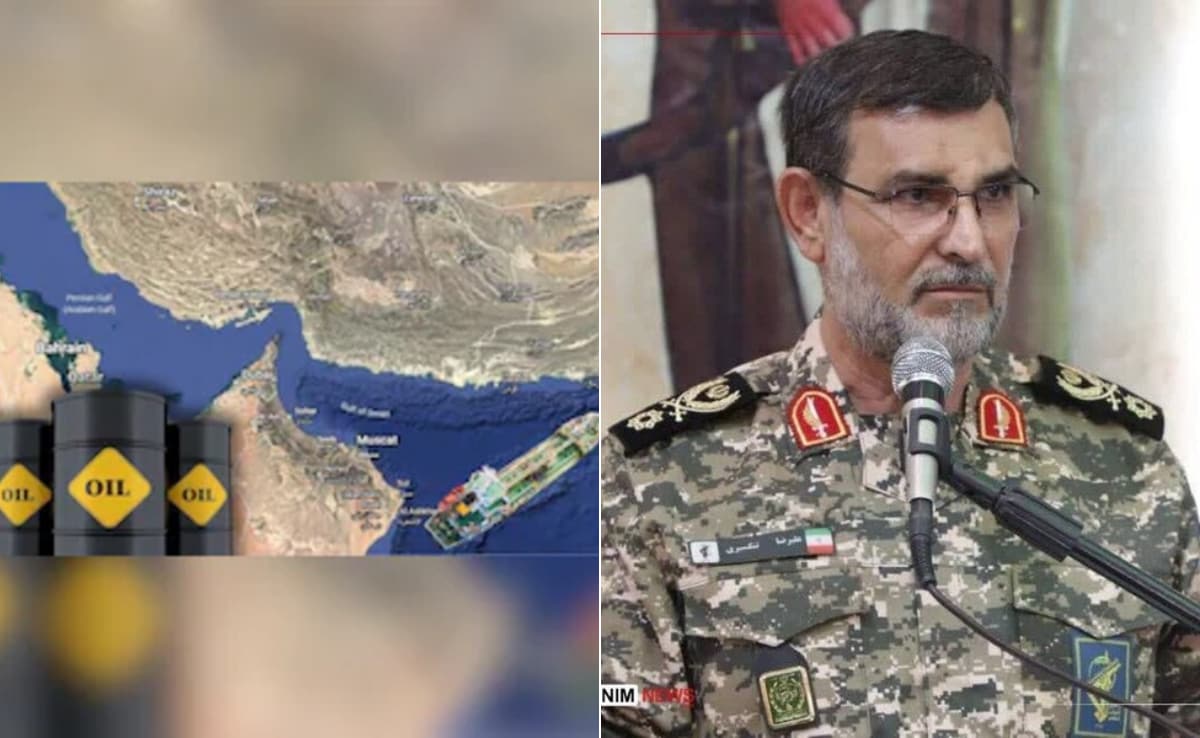
The targeted killing of a high-ranking Iranian naval commander, confirmed by Israeli intelligence sources, marks a violent escalation in the shadow war for the world’s most vital maritime chokepoint. While headlines suggest this strike might signal the beginning of the end for the crisis in the Strait of Hormuz, the reality on the water is far more complex and dangerous. A single death, no matter how high the rank, rarely dismantles a decentralized command structure designed specifically to survive such attrition.
Military analysts and regional experts recognize that the Iranian Revolutionary Guard Corps Navy (IRGCN) operates on a doctrine of asymmetric defiance. They do not rely on a single visionary leader to dictate the movement of every fast-attack craft or every mine-laying operation. Instead, they rely on a pre-distributed strategy of attrition. The removal of a figurehead may satisfy a tactical objective for Jerusalem, but it does little to clear the mines or silence the shore-based missile batteries that currently hold global energy markets hostage.
The Architecture of Asymmetric Naval Warfare
To understand why the death of a naval chief doesn't automatically reopen the shipping lanes, one must look at how Iran has spent the last three decades preparing for this exact scenario. They know they cannot win a conventional blue-water engagement against a Western carrier strike group. Consequently, they have invested in "swarm" tactics and distributed lethality.
The IRGCN utilizes hundreds of small, fast, and armed boats that can disappear into the jagged coastline of the Persian Gulf. These units are granted significant autonomy. They don't wait for a green light from Tehran for every maneuver; they operate based on standing orders to harass, interdict, and delay. When a central commander is removed, these localized units often become more unpredictable, not less.
Furthermore, the hardware is already in place. Thousands of naval mines—some sophisticated, others dating back to the Soviet era—are stockpiled along the coast. The technical knowledge required to deploy these doesn't vanish with one man. It is a fundamental part of the training for every officer in the IRGCN. This isn't a corporate hierarchy where the loss of a CEO leads to a stalled merger. This is a military apparatus built for martyrdom and continuity.
The Intelligence Gap and the Risk of Miscalculation
The claim that the "end is in sight" relies on a faulty assumption that Iran’s maritime strategy is personality-driven. It ignores the institutional momentum of the Iranian defense establishment. When Israel carries out such a high-profile operation, the immediate goal is deterrence and the disruption of specific operational planning. However, history shows that such actions often trigger a "rally around the flag" effect within the security forces.
There is also the matter of the "succession surge." Often, an incoming commander feels the institutional pressure to prove their mettle immediately. This can lead to more aggressive posturing in the Strait of Hormuz as the new leadership seeks to demonstrate that the organization remains functional and defiant. Instead of a de-escalation, we might see a spike in merchant vessel seizures or drone "fly-bys" intended to signal that the mission continues unchanged.
The Economic Reality of the Chokepoint
Oil markets are notoriously skittish. Even the rumor of a successful strike can send Brent crude prices into a volatile swing. But the real pressure isn't the price of a barrel; it’s the cost of insurance.
Lloyd’s of London and other major maritime insurers don't care about the ideological victory of an assassination. They care about the kinetic risk to hulls and cargo. As long as Iranian coastal defense missiles—such as the Noor or the Gader—remain operational, the Strait of Hormuz is considered a high-risk zone. A dead admiral does not lower an insurance premium. Only a verifiable removal of the threat to navigation can do that.
We are currently seeing a disconnect between political optics and maritime reality. Politicians in Tel Aviv or Washington might point to a successful strike as a turning point. Meanwhile, the captains of VLCCs (Very Large Crude Carriers) are still being told to keep their AIS transponders off and their crews on high alert.
The Technological Shadow War
Beyond the kinetic strikes, a sophisticated technological battle is unfolding beneath the surface and across the airwaves. Iran has significantly increased its use of GPS jamming and "spoofing" in the region. This technology creates "ghost ships" on radar and misdirects civilian navigation systems, leading vessels into Iranian territorial waters where they can be legally seized under the pretext of a maritime violation.
The removal of a naval chief does not disable these automated electronic warfare suites. Most of these systems are managed by technical cadres who operate independently of the high command. These units are tasked with creating a "contested environment" where Western technology—the very systems we rely on for safe passage—becomes a liability.
Counter-Arguments to the Decapitation Strategy
Critics of the decapitation strategy argue that it creates a power vacuum filled by more radical, younger officers. The "Old Guard" often understands the limits of their power and the catastrophic consequences of a full-scale war. The younger generation, raised on a diet of revolutionary rhetoric and hardened by years of sanctions, may be less inclined toward strategic restraint.
There is also the risk of regional spillover. Iran’s "Axis of Resistance" includes various proxy groups capable of striking maritime targets far beyond the Strait of Hormuz. We have seen this with Houthi rebels in the Red Sea. A strike on an Iranian commander in the Persian Gulf could trigger a retaliatory strike in the Bab el-Mandeb. The battlefield is no longer a single waterway; it is a connected web of maritime chokepoints.
The Persistent Threat of Land-Based Assets
One of the most overlooked factors in the Hormuz crisis is the sheer volume of mobile missile launchers stationed along the Iranian coast. These are not static targets. They move through tunnels, hide in mountain bunkers, and can be deployed to the shore in minutes.
The Iranian naval chief was likely involved in the strategic oversight of these assets, but the tactical execution lies with the Basij and the regular IRGC ground forces. To truly "end" the Hormuz crisis through military means would require a massive, sustained campaign to neutralize thousands of mobile targets across hundreds of miles of difficult terrain. A single airstrike on a vehicle or a safe house in Tehran or Bandar Abbas is a drop in the ocean compared to the hardware still pointed at the shipping lanes.
Western Response and the Limits of Escort Operations
The US-led "Operation Prosperity Guardian" and similar maritime coalitions provide a layer of security, but they are not a cure. Escorting every tanker through the Strait is a logistical nightmare and a massive drain on naval resources. It also creates a target-rich environment for Iranian swarm tactics.
The kill-chain for a drone or a cruise missile is measured in seconds. Even with the most advanced Aegis combat systems, the proximity of the Iranian coast means there is very little room for error. When an Iranian commander is killed, the tension on these "line-of-sight" engagements reaches a breaking point. Sailors on both sides are on hair-trigger alerts, and the probability of a "hot" incident caused by a misunderstanding increases exponentially.
The Diplomatic Deadlock
While the military conflict grabs the headlines, the diplomatic paralysis ensures the crisis persists. There is no current back-channel or formal negotiation that offers a clear exit ramp for either side. Iran uses the Strait as its only real lever against international sanctions. They will not give up that lever because one man was killed. If anything, the loss of a leader makes the Iranian leadership feel more backed into a corner, and a cornered regime is rarely interested in maritime concessions.
The international community is looking for a "silver bullet" solution—a single event that restores the status quo. The assassination of a naval chief is being marketed as that event. It is a comforting narrative for those who want to believe the problem is solved, but it ignores the fundamental geopolitical drivers of the conflict.
The New Reality of Global Trade
We must stop viewing the Hormuz crisis as a temporary disruption. It has become a structural feature of modern global trade. Companies are already rerouting, looking at more expensive pipelines, or seeking alternative energy sources. The vulnerability of the Strait has been exposed, and that genie cannot be put back in the bottle by a drone strike.
The maritime industry is preparing for a "long winter" in the Middle East. This involves hardening ships, employing private security, and investing in redundant supply chains. The death of an Iranian admiral is a significant tactical event, but it is not a strategic endgame.
The path to a stable Strait of Hormuz does not lead through a graveyard of military commanders. It requires a fundamental shift in regional security architecture that addresses the underlying reasons why Iran feels the need to threaten the waterway in the first place. Until that shift occurs, the "end" of the crisis will remain a mirage on the horizon of the Persian Gulf.
Watch the behavior of the small-boat flotillas in the coming seventy-two hours. If they retreat to port, the strike had a temporary chilling effect. If they increase their patrols and provocative maneuvers, the crisis has just entered a more volatile phase.