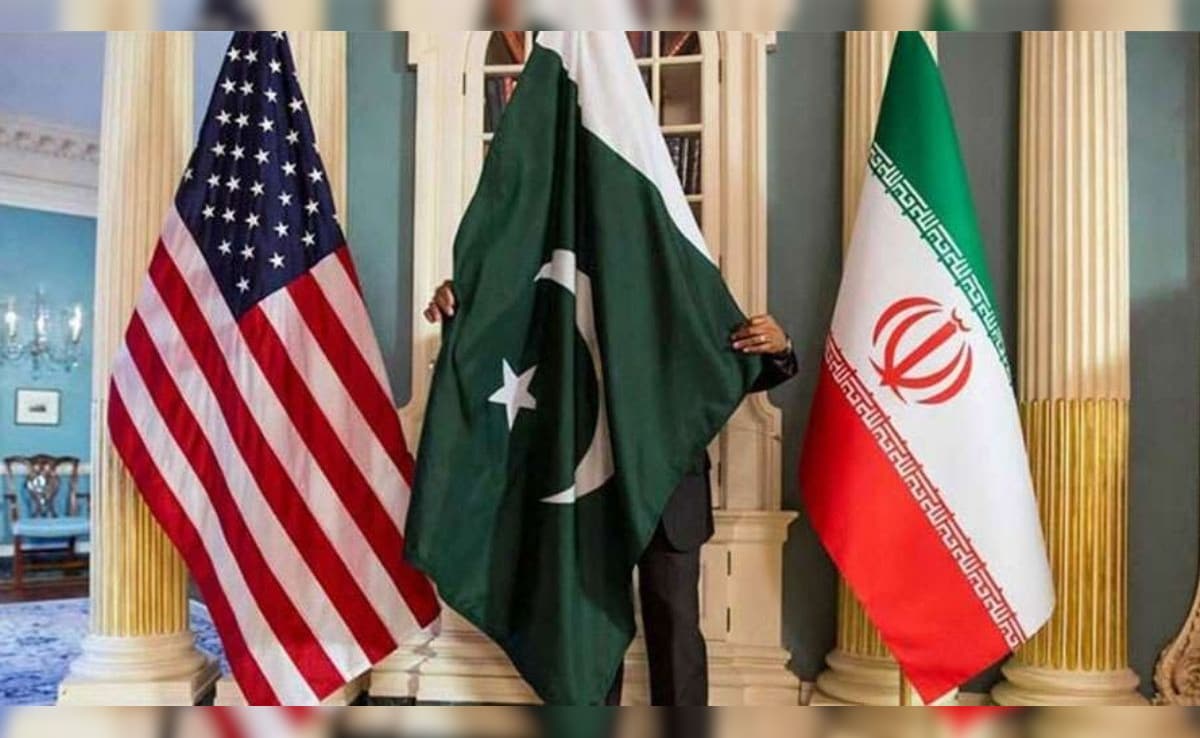
Pakistan is currently the only nation on earth capable of holding a phone line that both Washington and Tehran will actually pick up. While the world watches the smoke rise from Tabriz and the escalating maritime chaos in the Strait of Hormuz, a quiet but frantic diplomatic shift has moved the center of gravity from the traditional neutral grounds of Muscat and Doha to the high-security corridors of Islamabad.
This isn't a sudden burst of altruism from the Pakistani state. It is a calculated, high-stakes gamble for survival and regional relevance. As the US-Israel military campaign against Iran enters its fourth week, Pakistan has transitioned from a concerned neighbor to the primary intermediary for a 15-point US ceasefire proposal. The stakes for Islamabad are not just diplomatic; they are existential, involving billions in potential energy penalties, a fragile domestic security balance, and the ambition of a military leadership seeking to cement its role as a "net regional stabilizer."
The Favorite Field Marshal and the Truth Social Endorsement
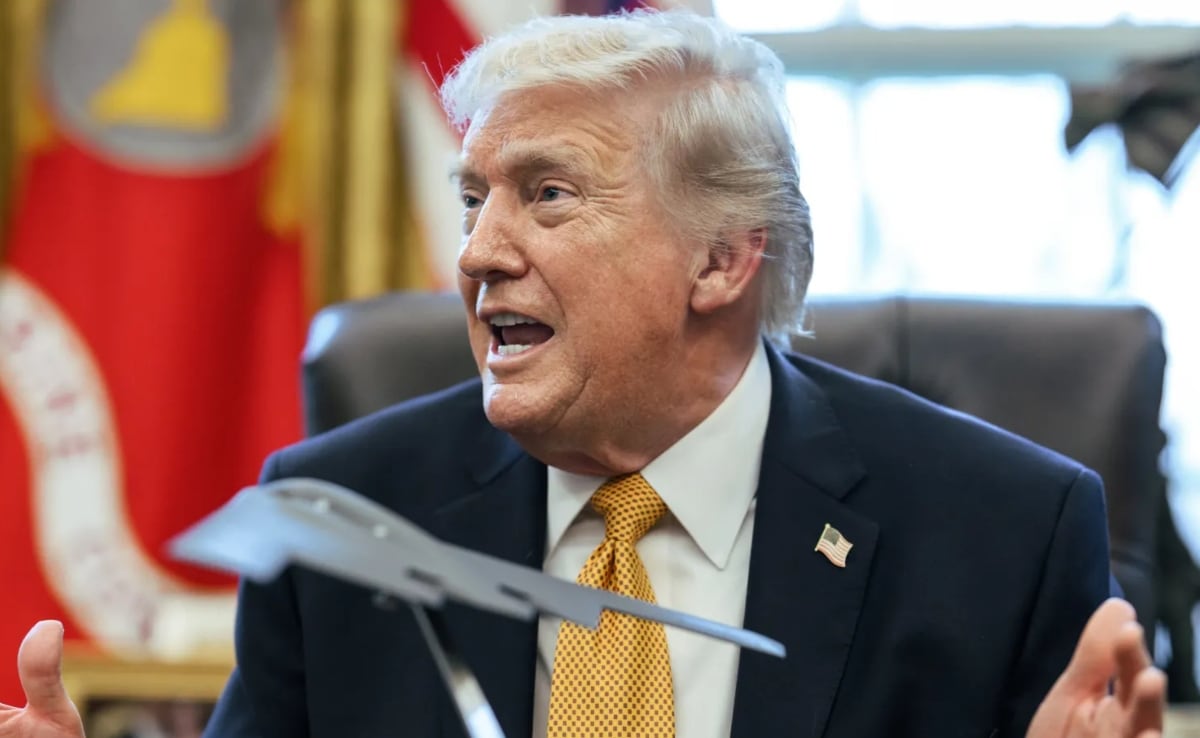
The pivot became undeniable when US President Donald Trump shared a post from Pakistani Prime Minister Shehbaz Sharif on Truth Social, signaling a rare public nod to Islamabad’s mediation offer. Behind this digital endorsement lies a deeper, more pragmatic relationship between Trump and Pakistan’s Army Chief, Field Marshal Asim Munir.
Munir, who has consolidated unprecedented power within Pakistan following recent constitutional amendments, has emerged as the "key interlocutor" whom Trump reportedly trusts to navigate the Iranian maze. This rapport is a sharp departure from the "do more" era of US-Pakistan relations. For Trump, Munir represents a military leader who can deliver messages directly to the Iranian Revolutionary Guard Corps (IRGC) without the typical bureaucratic lag of civilian diplomacy. For Munir, this is an opportunity to repair years of mistrust and position Pakistan as an indispensable security partner, potentially mirroring the historic role Islamabad played in the 1972 opening of China.
Why the Traditional Middlemen Failed
For decades, Qatar and Oman were the go-to venues for indirect US-Iran talks. However, the current war has fundamentally altered that geometry.
- The Base Burden: Unlike Qatar, Pakistan does not host US military bases. This allows Tehran to view Islamabad as a truly neutral ground rather than a launchpad for the very aircraft currently striking Iranian infrastructure.
- The Nuclear Weight: As the only Muslim-majority nuclear power, Pakistan commands a level of institutional respect in Tehran that smaller Gulf states cannot replicate.
- The Shia Factor: Pakistan hosts the world’s second-largest Shia population. This provides a cultural and religious bridge that is often overlooked in Western analysis but remains a vital tool for backchannel messaging.
While Egypt and Turkey remain part of the broader diplomatic "conduit," it is Pakistan that has been entrusted with the physical delivery of the 15-point US plan—a document that reportedly demands a total rollback of Iran’s nuclear program and an end to the "Axis of Resistance" in exchange for significant sanctions relief.
The Gas Pipeline Gun to the Head
Islamabad’s urgency is driven by a looming financial catastrophe. For years, the Iran-Pakistan (IP) gas pipeline has sat as a half-finished monument to failed diplomacy. Iran has completed its side; Pakistan, fearing US sanctions, has not.
Tehran has recently threatened to take Pakistan to the International Court of Arbitration, seeking a staggering $18 billion penalty for breach of contract. For a Pakistani economy already on life support, such a fine would be a death blow. By positioning itself as the "lead mediator" in the current war, Islamabad is looking for a "grand bargain" where its diplomatic services are rewarded with a US waiver for the pipeline or a structured settlement that removes the $18 billion threat.
The Reality on the Ground
Despite the optimism in Islamabad, the situation remains precarious. On March 25, 2026, reports surfaced that Iran had officially rejected the US proposal, issuing a counter-offer with demands that Washington considers "non-starters."
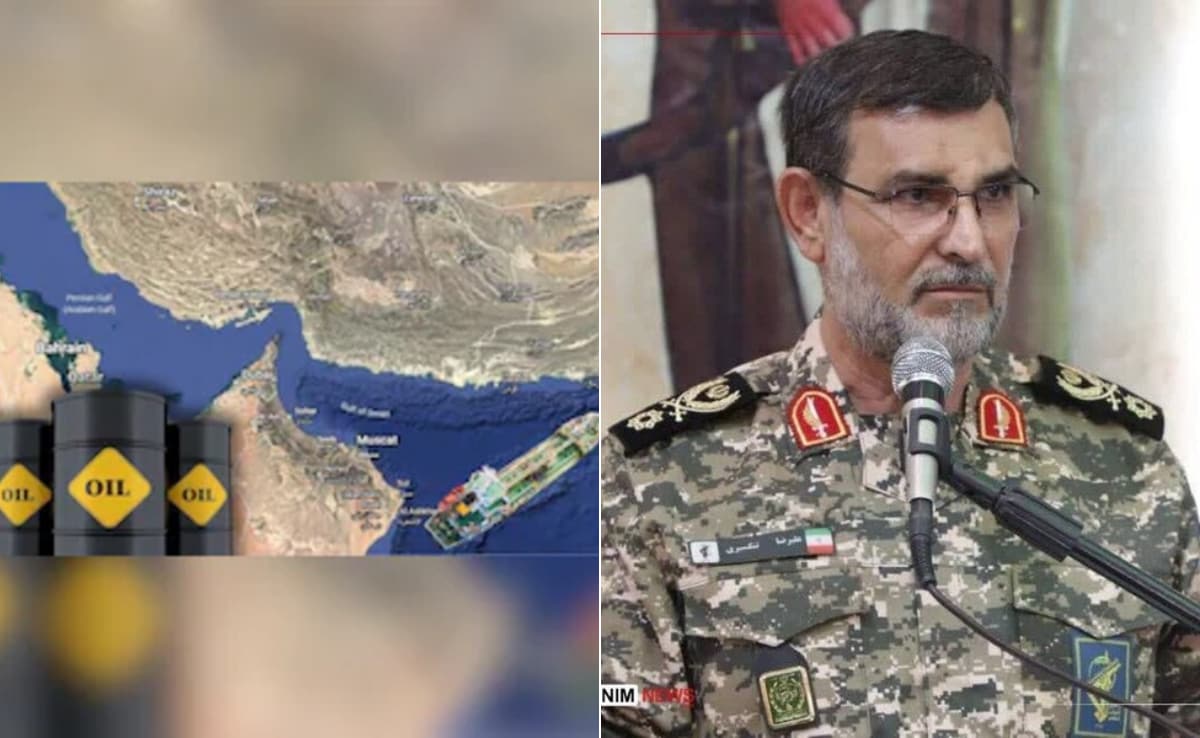
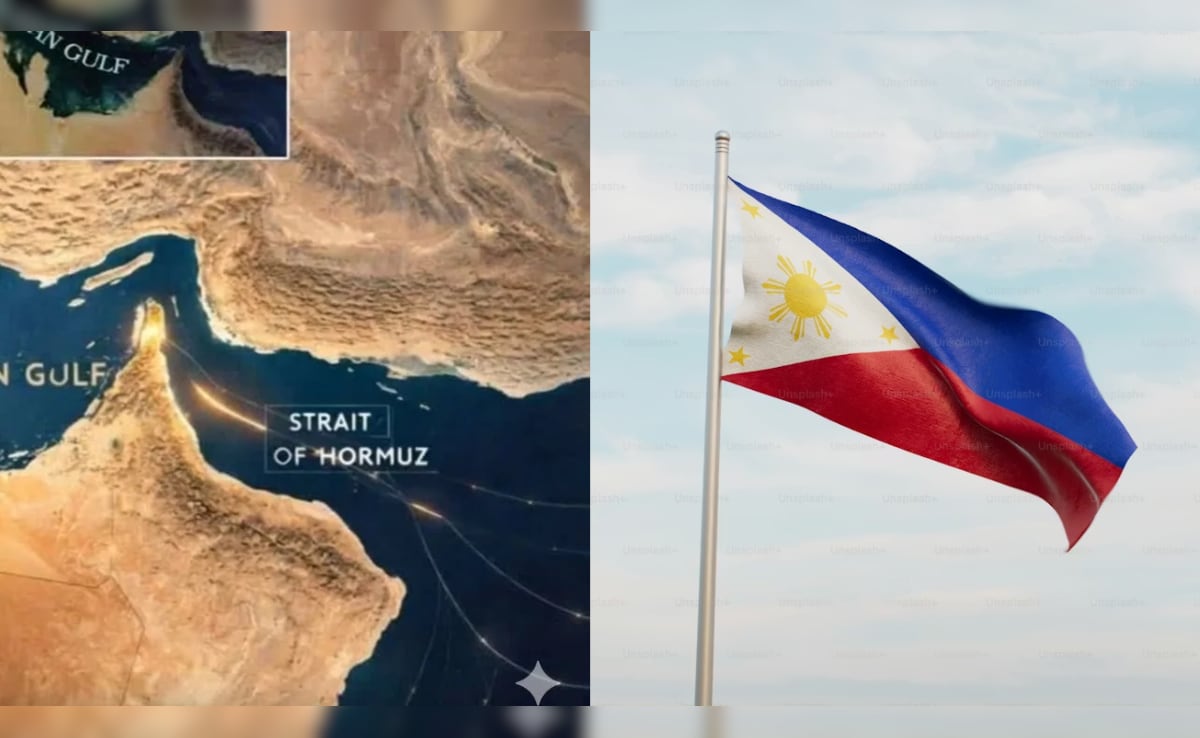
The conflict has already claimed over 5,500 lives. While Iran has allowed a few "non-hostile" tankers from India and Pakistan to transit the Strait of Hormuz, it has effectively turned the waterway into a toll-road, requiring vessel operators to coordinate directly with IRGC-linked intermediaries. This "monetization" of the blockade is a new and dangerous variable in global energy markets.
The proposed "Islamabad Summit," which could potentially see US Vice President JD Vance meet with Iranian Parliament Speaker Mohammad Bagher Ghalibaf, remains the only tangible hope for a de-escalation. However, the Iranian leadership is deeply skeptical, viewing the simultaneous deployment of 2,000 US paratroopers to the region as evidence that the peace proposal is a tactical ruse.
A Diplomatic Tightrope Without a Net
Pakistan is walking a line so thin it is almost invisible. It must fulfill its mutual defense pact with Saudi Arabia—vowing to protect the Kingdom if attacked—while simultaneously convincing Tehran it is not a Western proxy. Domestically, the government is struggling to contain Shia-led protests following the death of Iran’s Supreme Leader, all while managing a restive border in Balochistan where insurgents take advantage of the regional chaos.
If the talks in Islamabad happen, Pakistan gains a seat at the high table of global power. If they fail, or if Iran perceives the mediation as a trap, Pakistan risks being caught in the crossfire of a war it cannot afford to join and cannot afford to ignore.
Would you like me to track the specific movements of the US and Iranian delegations toward Islamabad over the next 48 hours?