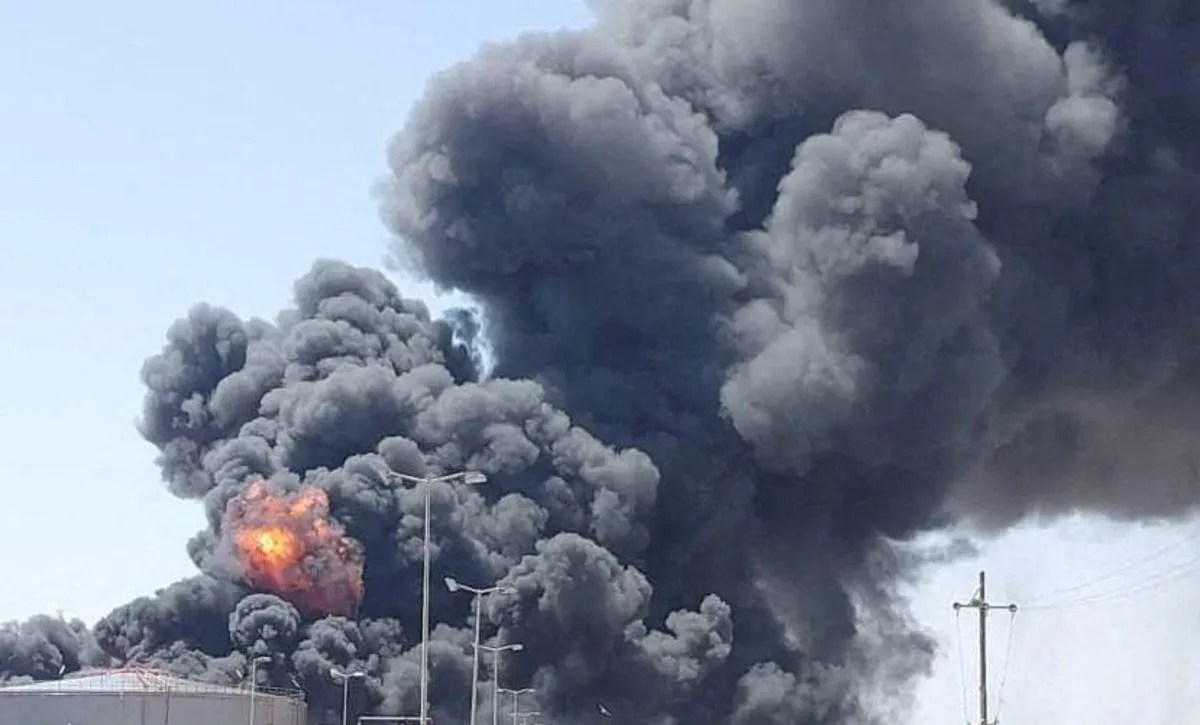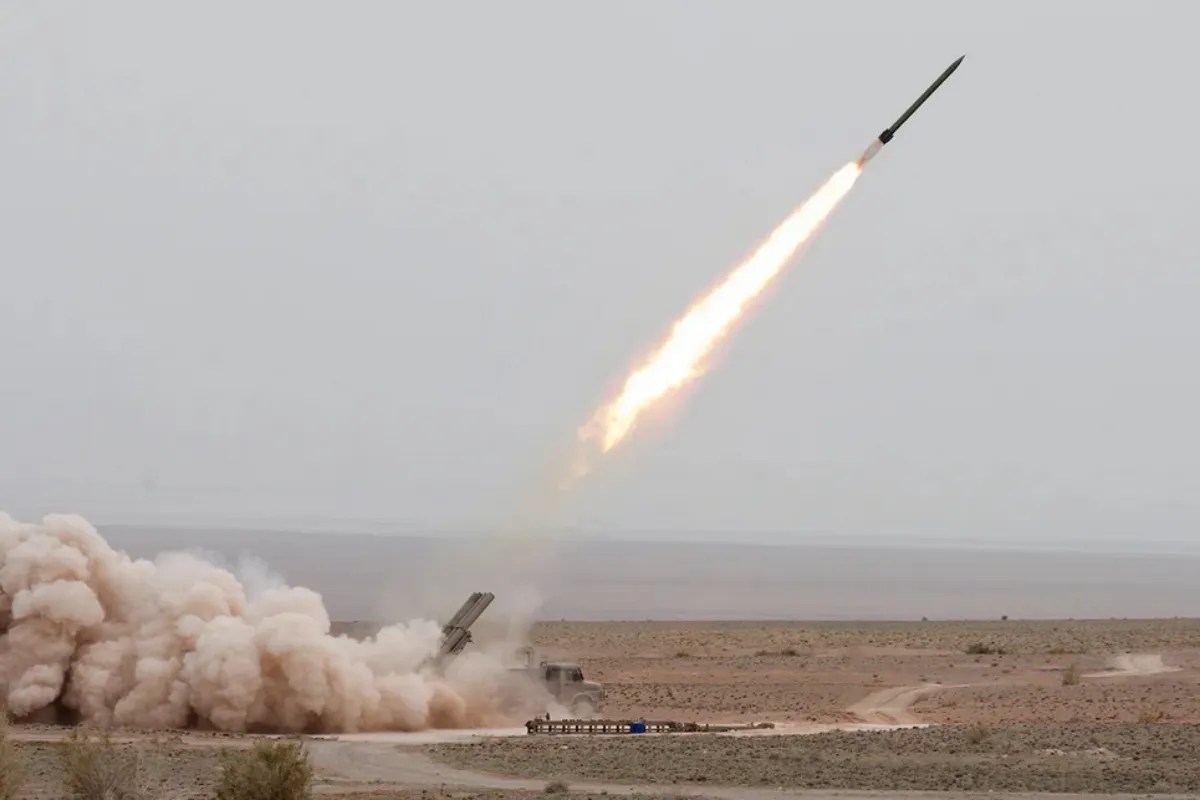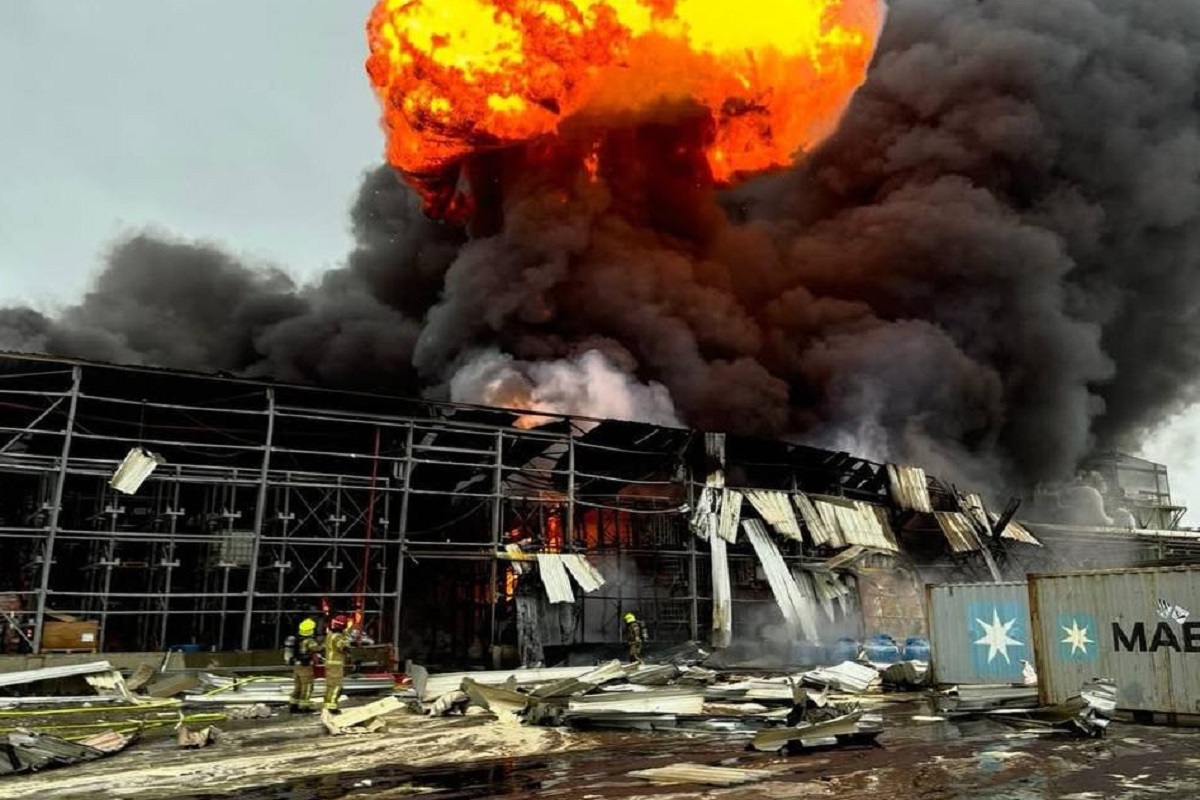
The idea of a global internet blackout isn't some dystopian movie plot anymore. It's a logistical reality hanging by a few underwater threads. If the escalating tension between Iran and Israel spills over into a full-scale regional war involving the US, the digital world as you know it might just go dark. We aren't talking about a slow Netflix connection. We're talking about a systemic collapse of the data arteries that connect Europe to Asia.
Most people think the internet is a "cloud" floating safely in space. That's a myth. It's actually a series of physical cables, many no thicker than a garden hose, sitting on the ocean floor. A huge chunk of these cables passes through the Red Sea and the Persian Gulf. This is the exact geographic "choke point" where modern warfare is currently centered. One stray anchor, a deliberate act of sabotage, or a naval blockade in these waters doesn't just hurt the Middle East. It cuts off the world.
The fragile reality of undersea fiber optics
The internet relies on roughly 500 active undersea cables. About 17% of global internet traffic flows through the Red Sea alone. This narrow strip of water is the digital equivalent of the Suez Canal. When you send an email from London to Singapore, there's a massive chance it travels through a cable resting just off the coast of Yemen or Egypt.
During a conflict involving Iran and Israel, these cables become incredibly high-value targets. We've already seen what happens when non-state actors get involved. Earlier in 2024, multiple cables in the Red Sea were damaged. While the exact cause remains a point of heated debate, the impact was immediate. Parts of Africa and Asia saw massive connectivity drops. Now, imagine a scenario where a nation-state with sophisticated submarine capabilities or deep-sea mines decides to "flip the switch."
Why the Strait of Hormuz is more than an oil route
Everyone talks about the Strait of Hormuz in the context of oil prices. Sure, a jump in crude prices would hurt your wallet. But a shutdown of the data infrastructure near the Persian Gulf would paralyze your life. Iran sits on a coastline that overlooks some of the most critical data transit points in the world.
If Iran decides to retaliate against US or Israeli interests by targeting infrastructure, they don't need to launch a nuke. They just need to cut the cords.
- Financial Chaos: Global banking relies on the SWIFT system and real-time data syncing. A blackout means no international transfers, no ATM withdrawals, and a total freeze on stock markets.
- Supply Chain Collapse: Modern shipping is digital. If the ports in Dubai or Mumbai can't talk to the logistics hubs in Rotterdam, the flow of goods stops.
- Cloud Dependency: Most of your "local" apps actually run on servers thousands of miles away. If the path to those servers is severed, the app on your phone becomes a useless icon.
The US and Israel's role in the digital crossfire
The US military and its allies are heavily invested in protecting these lanes, but the ocean is big and cables are stationary targets. Israel has become a massive tech hub, acting as a bridge for data between the Mediterranean and the East. As the conflict intensifies, the physical security of these landing stations—where cables come out of the sea and into buildings—becomes a nightmare.
Cyber warfare is the other side of this coin. While physical cable cutting is "kinetic" warfare, state-sponsored hacking can mimic a blackout without moving a single ship. Iran has shown significant growth in its offensive cyber capabilities over the last decade. A coordinated attack on BGP (Border Gateway Protocol) routing could effectively "disappear" entire countries from the internet map.
What a total blackout actually looks like for you
You probably think you'd just be bored without TikTok. It's much worse. Honestly, the first thing to go would be the "just-in-time" delivery systems that stock your local grocery store.
- Phase One: Extreme latency. Websites take minutes to load. Jittery video calls.
- Phase Two: Regional outages. Specific services like Gmail or AWS become unreachable in certain parts of the world.
- Phase Three: Total isolation. Countries are forced to rely on "sovereign intranets," meaning you can only talk to people within your own borders.
Russia has already experimented with its "RuNet," a way to disconnect from the global web while keeping internal systems running. Most Western countries aren't prepared for this. We're too interconnected. Our systems assume the world is always "on."
Satellite internet is not a magic fix
Whenever I talk about cable vulnerability, someone always mentions Starlink. "Won't Elon Musk just save us with satellites?"
Not exactly. While satellite constellations are great for remote areas, they don't have the bandwidth to handle the world's entire data load. A single fiber optic cable can carry more data than thousands of satellites combined. Satellites are a backup, a "Plan B" for basic communication, but they can't sustain the global economy. Plus, in a high-intensity war, satellites are also vulnerable to anti-satellite (ASAT) missiles or signal jamming.
Preparing for the "Digital Dark Age"
It's easy to feel helpless when discussing geopolitical shifts and deep-sea cables. But the risk of an Iran-Israel war causing an internet blackout is high enough that you should have a personal contingency plan.
Don't keep all your critical info in the cloud. If your medical records, property deeds, or essential business contacts are only accessible via a web login, you're at risk. Download local copies. Keep a physical backup of your most important life documents.
Hardware-wise, look into offline communication tools. Apps like Bridgefy use Bluetooth mesh networking to let people chat without a cell tower or internet connection. It's what protesters in Hong Kong used when the government throttled the web.
Finally, stop assuming the digital world is permanent. It's a fragile gift maintained by peace and thin wires. If the Middle East goes up in flames, the sparks will travel through the fiber optics and hit your screen sooner than you think. Build a redundant life now. Get a physical map. Buy some cash. Keep your local data local. When the lights go out in the Red Sea, you don't want your entire life to go dark with them.