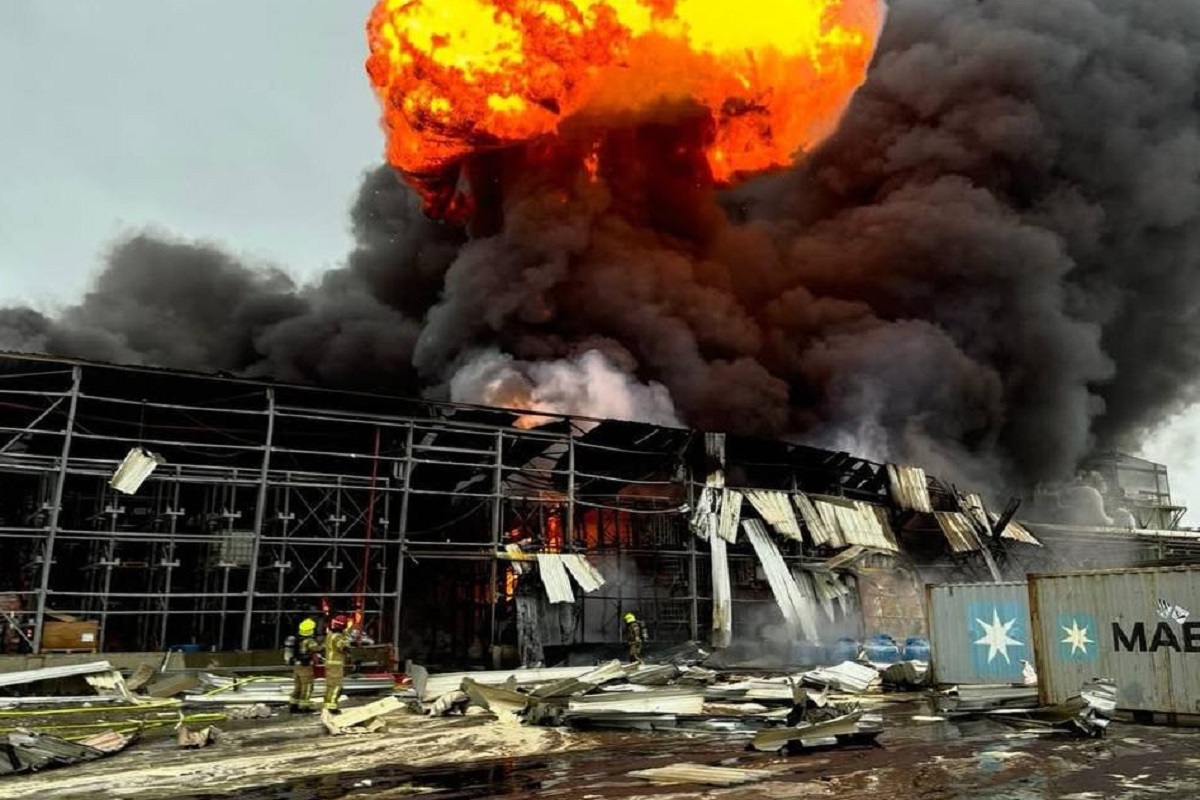
The sirens in Haifa do not wail; they scream. It is a mechanical, soul-piercing sound that strips away the veneer of modern life—the lattes, the tech startups, the Mediterranean sunset—and leaves only the raw instinct to survive. On this particular Tuesday, the sound arrived just as the dinner plates were being set.
Then came the light.
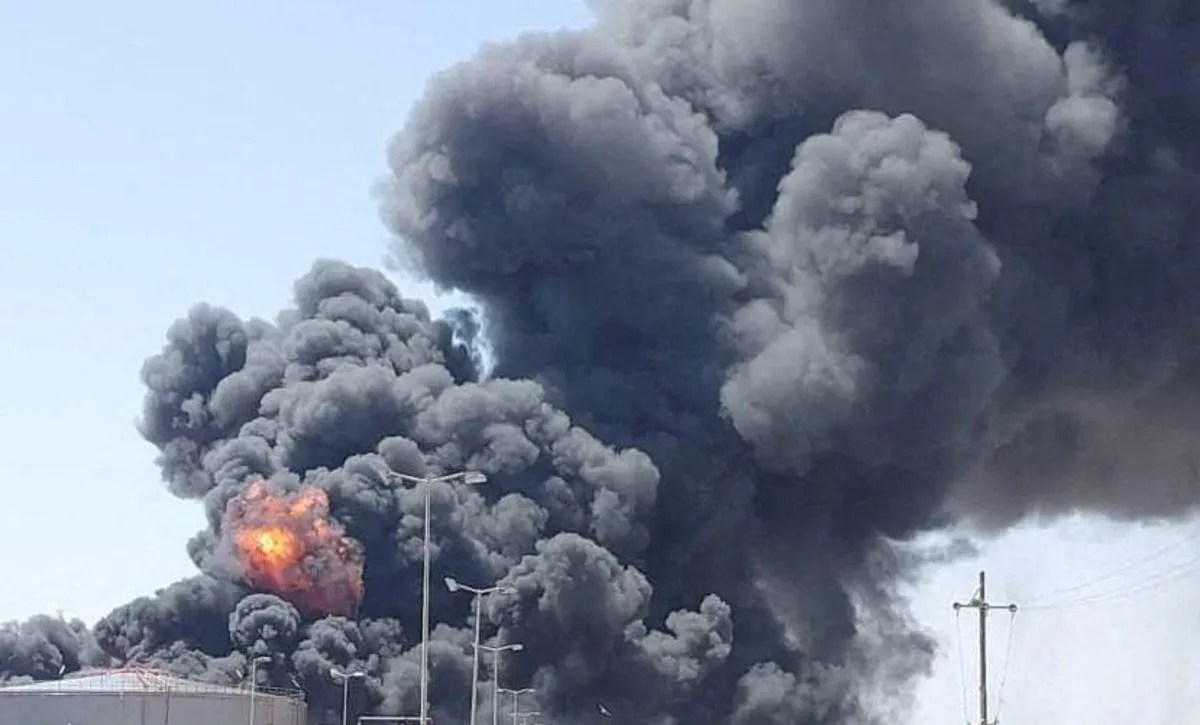
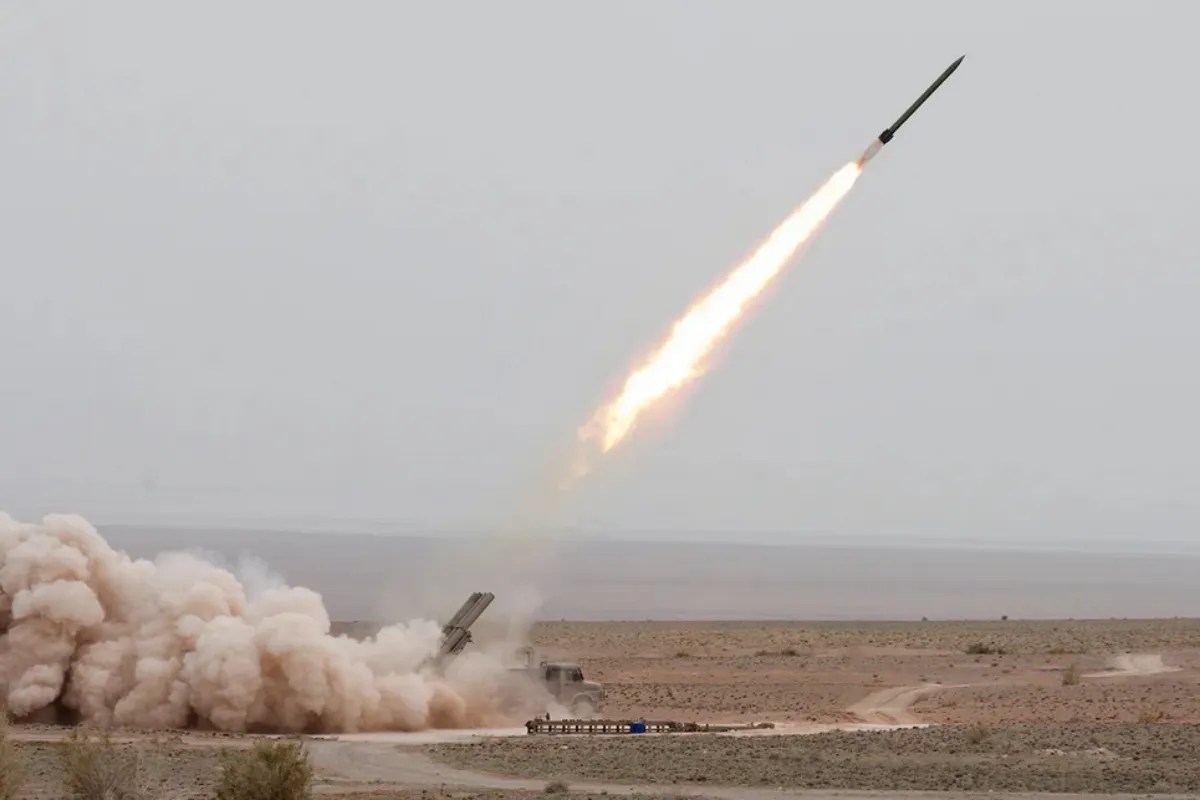
It wasn't the bright white flash of a standard interception. It was a dull, sickly ochre that bruised the horizon. Somewhere in the industrial heart of the city, a precision-guided missile from an Iranian launch site had found its mark. It didn't hit a barracks or a command center. It hit a chemical processing plant. In an instant, the conversation changed from geopolitical strategy to the molecular composition of the air people were breathing.
The Invisible Architecture of Terror
War is often described in terms of hardware. We talk about the Iron Dome, the ballistic trajectories of Fattah missiles, and the sheer tonnage of explosives. But the reality of modern conflict is far more intimate. It is about the vulnerability of the grid. When a missile strikes a chemical facility, it transforms a localized explosion into an atmospheric event.
Think of a city like a living organism. The power lines are the nerves, the water pipes are the veins, and the industrial zones are the vital organs that process the fuel of modern existence. When a toxin is introduced into that system, the entire organism begins to panic.
Reports began filtering through encrypted channels and frantic WhatsApp groups. The hit was direct. The facility, a hub for processing volatile compounds used in everything from agriculture to high-end electronics, was now venting. This is the new frontier of the Middle Eastern shadow war. It is no longer just about who has the bigger bomb. It is about who can create the most chaos with a single, surgical puncture.
A Breath Held Too Long
Consider David. He is a composite of the thousands sitting in reinforced safe rooms across the bay, but his fear is entirely real. He isn't worried about the shrapnel. He is looking at the gap under his door. He is wondering if the damp towel he stuffed there is enough to stop a microscopic enemy.
The Iranian military command knows this. By targeting industrial infrastructure, they aren't just trying to reduce Israel’s GDP. They are weaponizing the wind. When a chemical plant is compromised, the "victory" isn't measured in the number of buildings leveled. It is measured in the psychological paralysis of a population that suddenly views the very air as a delivery system for death.
The science behind these strikes is cold and calculated. Ballistic missiles like the ones used in this barrage are designed to bypass traditional defense layers through sheer velocity. When they carry a conventional warhead into a high-risk chemical zone, the "payload" effectively doubles. The missile provides the spark; the factory provides the poison.
The Technical Precision of Chaos
Technically, the strike represents a significant shift in Iranian capabilities. For years, the narrative was that Iranian tech was bulky, unreliable, and prone to missing by kilometers. That era ended tonight. The telemetry required to hit a specific industrial sector from over a thousand kilometers away requires more than just luck. It requires satellite synchronization and advanced terminal guidance.
But the technical achievement is overshadowed by the human cost. The immediate aftermath of such a strike is a frantic dance of emergency protocols. Hazardous material teams—men and women dressed in heavy, rubberized suits that make them look like deep-sea divers—move into the "hot zone." They aren't looking for survivors in the traditional sense. They are looking for leaks. They are fighting a fire that water cannot put out, a fire that feeds on the chemicals meant to make life easier.
Israel’s defense posture has always been built on the "Iron Wall" philosophy—the idea that if you make the cost of attacking too high, the enemy will desist. But how do you price the risk of an ecological disaster?
The Alchemy of Modern Warfare
The Middle East is currently trapped in a cycle of "calibrated escalation." Each side pushes the needle just far enough to hurt, but hopefully not far enough to trigger a total collapse of the regional order. However, targeting a chemical plant pushes that needle into the red. It is a gamble with the environment that lingers long after the ceasefire is signed.
The chemicals released in such an event—ammonia, chlorine, or various acidic compounds—don't just disappear. They settle into the soil. They seep into the groundwater. They become a permanent tax on the health of the generation that survives the blast. This isn't just news; it is a fundamental shift in how we understand the "battlefield." The battlefield is now the supermarket, the schoolyard, and the industrial park.
The Silence After the Blast
As the sun began to rise over the Haifa bay, the yellow hue faded, replaced by a thick, acrid gray. The sirens finally went silent. The government issued statements about "significant damage" and "severe consequences," the kind of language that sounds sturdy in a press release but feels hollow in a kitchen where the windows are taped shut.
The real story isn't the explosion. It’s the realization that the rules of engagement have been shredded. When the target is no longer a soldier but the chemistry of the city itself, there is no such thing as a "safe" distance.
The people of the region are used to the threat of fire. They are less prepared for the threat of the invisible. As the clean-up crews begin their grim work, the rest of the world watches the stock tickers and the troop movements. But in the quiet apartments overlooking the Mediterranean, people are doing something much more basic. They are breathing shallowly, waiting to see if the air will ever feel light again.
A single scorched valve sits in the middle of the rubble, hissed at by a dying flame, a small, twisted piece of metal that somehow holds the weight of a potential world war.