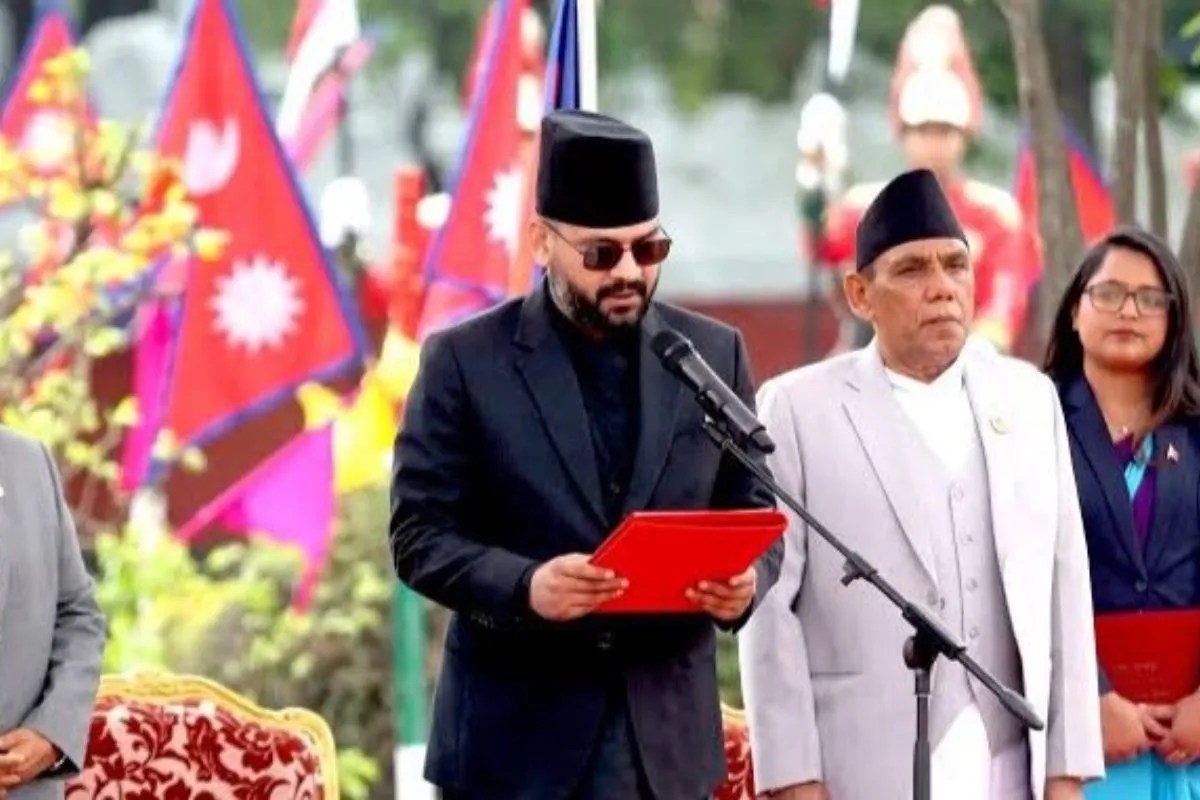
Nepal's political landscape is shaking. You might have seen the headlines circulating about Balen Shah taking "PM-level action" or former ministers being hauled off to jail after stacks of cash were found in their homes. Let’s get one thing straight immediately. Balen Shah is the Mayor of Kathmandu, not the Prime Minister of Nepal. While social media often treats him like a national savior with unlimited power, the legal reality of Nepal’s governance is a bit more nuanced.
However, the energy on the ground is real. People are fed up. The recent crackdown on corruption—which has indeed seen high-profile figures and former ministers detained—is a direct result of mounting public pressure and a judiciary that's finally feeling the heat. When you hear about a "mountain of notes" found during raids, it isn't just a tabloid exaggeration. It’s a symptom of a systemic rot that leaders like Balen Shah have spent years calling out from the sidelines of the traditional party structure.
The Reality of Recent Arrests and the Cash Stacks
The reports of a former minister being arrested after an "ambush" or a protest aren't just fairy tales. Nepal’s Central Investigation Bureau (CIB) has been unusually active. We're seeing a shift where being a "former" anything no longer grants you a lifetime pass for immunity. During recent investigations into land scams and procurement fraud, authorities actually recovered massive amounts of unexplained liquid cash.
Why does this happen during "movements" or protests? Because that’s when the political cover thins out. When the streets are full of people demanding accountability, the police find their backbone. The specific case involving a former minister and a hidden hoard of cash stems from the Fake Bhutanese Refugee scam and the Lalita Niwas land grab. These aren't just small-time bribes. We’re talking about sophisticated networks that used government machinery to siphon billions of rupees.
Balen Shah’s role in this isn't as the arresting officer, but as the primary disruptor. By cleaning up the capital and refusing to play by the "Old Guard" rules, he's forced federal agencies to at least pretend they’re doing their jobs. If the Mayor of the largest city is tearing down illegal structures owned by the elite, the federal government looks weak if they don't start arresting the people who authorized those structures in the first place.
Why the Balen Shah Effect is Terrifying the Elite
You have to understand how Nepal used to work. Politics was a game of "you scratch my back, I’ll hide your illegal cash." Then comes a guy with structural engineering background and a rapper’s bluntness. Balen didn't just win an election; he broke the binary choice between the NC and the UML/Maoist factions.
His actions in Kathmandu—clearing the footpaths, managing waste, and going after tax-evading businesses—created a blueprint. Now, when a former minister gets caught with a room full of cash, the public doesn't just shrug it off. They point to Balen and ask, "If he can fix the streets, why can’t you fix the corruption?"
This pressure is what led to the recent high-stakes arrests. The "action" people talk about isn't Balen signing arrest warrants. It’s Balen removing the political protection that these ministers relied on. He made corruption "uncool" and, more importantly, a liability for any party trying to survive the next election cycle.
Misinformation and the Prime Minister Confusion
Stop believing every YouTube thumbnail that calls Balen Shah the "New PM." Nepal’s parliamentary system doesn't work that way. KP Sharma Oli, Pushpa Kamal Dahal, and Sher Bahadur Deuba are still the heavyweights shuffling the deck at the federal level. Balen is the Mayor of Kathmandu Metropolitan City.
But here’s the kicker. Balen operates with a mandate that feels larger than his office. When he defies the federal government to implement local policies, he’s effectively auditioning for a national role. The viral stories about him arresting ministers are often a mix-up of local enforcement actions and federal CIB investigations that happen to align with his anti-corruption rhetoric.
- Fact check: Balen can order the police to shut down an illegal shop or seize property in Kathmandu.
- Fact check: He cannot personally order the arrest of a former minister for national-level financial crimes.
- The Nuance: He uses his platform to name and shame, which often triggers the federal investigations that lead to those arrests.
What Happens When the Money is Found
When investigators find "stacks of notes" at a politician's house, it’s usually because Nepal’s banking system is increasingly monitored, making it harder to move dirty money offshore. These guys are old school. They keep physical cash because they don't trust the digital trail.
The recent raids linked to the cooperative scams—where thousands of ordinary citizens lost their life savings—have revealed exactly where that money went. It didn't disappear. It was sitting in the bedrooms of the well-connected. The sight of police carrying out bags of seized currency is the ultimate visual for a frustrated public. It proves that the "poverty" of the state is a manufactured lie.
The Path Forward for Accountability
If you’re following this saga, don't just look at the headlines. Look at the court filings. The real test isn't the arrest; it’s the conviction. Nepal has a history of "catch and release" politics where a big name is arrested to quiet the crowd, only to be let go once the news cycle moves on.
Balen Shah’s continued presence in the Kathmandu office acts as a watchdog. He’s leveraged social media to ensure that if a "big fish" is caught and then mysteriously released, the whole country knows about it within minutes. This transparency is the real "action" that’s changing the game.
To stay informed, stop following sensationalist clickbait. Watch the official updates from the CIB and the Special Court. Pay attention to the local government’s transparency portals. The era of hidden cash and untouchable ministers is cracking, but it’s not broken yet. Support the institutional changes, not just the personalities. Demand that the legal process followed during these high-profile arrests becomes the standard for everyone, not just a show for the cameras.