The High Stakes of High Speed Judicial Theater
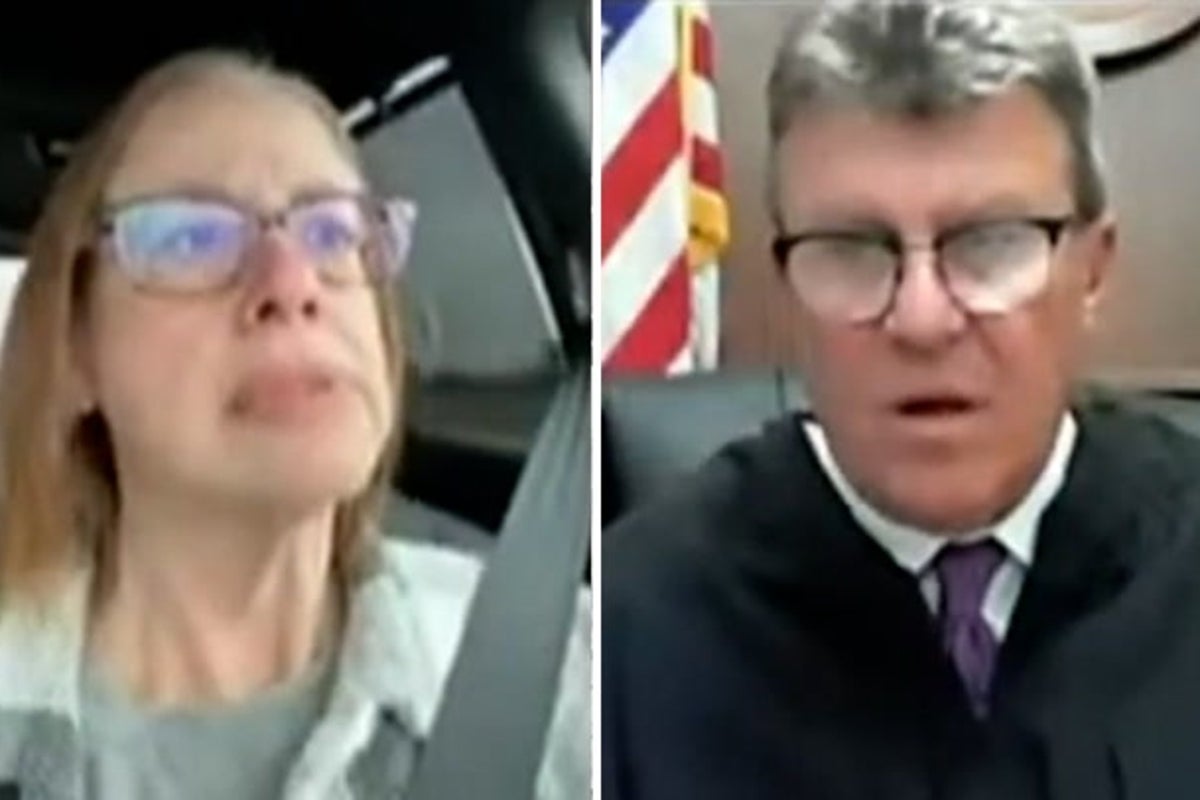
The video clip went viral for all the wrong reasons. A woman in Detroit, appearing before a judge via a virtual link for a suspended license charge, joined the call while physically behind the wheel of a moving vehicle. She insisted she was parked. The judge, watching the scenery blur past her window in real-time, was not amused. It was a moment of peak internet comedy, but for those of us who have spent decades covering the intersection of public policy and digital infrastructure, it was a flashing red light.
This was not just a story about one person’s poor decision-making or a brazen attempt to deceive the court. It was the ultimate indictment of a legal system that has attempted to graft 19th-century formalities onto 21st-century software without accounting for the reality of the people it serves. The viral nature of the event masked a much grittier reality. The transition to virtual hearings was supposed to increase accessibility. Instead, it has created a surreal disconnect where the gravity of the law competes with the casual nature of a FaceTime call.
The Myth of Digital Convenience
When courts shifted to remote hearings, the pitch was simple. They argued that it would reduce the burden on defendants who often had to miss work or find childcare to spend eight hours sitting in a hallway for a three-minute appearance. That was the theory. The practice, however, has proven far more volatile.
The Detroit incident highlights a fundamental psychological shift. When a person walks into a wood-paneled courtroom, smells the floor wax, and sees the elevated bench, the environment dictates their behavior. There is a physical weight to the authority of the state. When that same person interacts with a judge through a four-inch smartphone screen while sitting in their car or at a kitchen table, that weight vanishes. The court becomes just another app, another notification, another chore to be managed between errands.
Data from municipal courts across the country suggests that while "failure to appear" rates dropped initially during the shift to remote work, the quality of engagement plummeted. We aren't seeing better justice; we are seeing more efficient processing. The Detroit driver wasn't just lying to a judge; she was treating a legal proceeding like a drive-thru window because the medium itself suggests that such a thing is possible.
The Infrastructure Trap
We need to talk about why she was driving in the first place. This is where the investigative lens moves from the individual to the environment. In a city like Detroit—where public transit is a skeletal remains of what a major city requires—a suspended license is essentially a house arrest sentence. If you cannot drive, you cannot work. If you cannot work, you cannot pay the fines required to get your license back.
It is a circular trap designed to extract revenue from the people least able to provide it. This woman’s decision to drive to a doctor's appointment—her stated reason—while on a call regarding her illegal driving is a classic example of "survival logic." It is the desperate, often irrational calculation made by people who have no good options.
The judge’s shock was performative. Judges in these districts see these contradictions every single day. They know the people appearing before them are often driving illegally to get to the very jobs that will pay off their court debts. The virtual court simply removed the veil of "don't ask, don't tell" that usually governs these interactions. By bringing the camera into the car, the defendant forced the court to acknowledge the crime in progress, leaving the judge with no choice but to react with indignation.
Hardware is the New Gavel
The digital divide isn't just about who has a laptop and who doesn't. It’s about the quality of the "presence" afforded to different classes of citizens. A corporate lawyer appearing from a high-speed fiber connection in a silent home office has a level of gravitas that a defendant using a cracked screen and a spotty data plan can never achieve.
The Mechanics of the Virtual Disadvantage
- Latency as Hostility: A half-second delay in audio makes a defendant look hesitant or evasive when they are actually just waiting for the signal to catch up.
- The Background Bias: Research into "virtual presence" shows that judges and jurors subconsciously rate individuals as more or less trustworthy based on their background environment.
- The Loss of Non-Verbal Cues: A judge cannot see the shaking hands or the nervous tapping of a defendant’s feet. They see a grainy, two-dimensional headshot.
When we move the theater of the law to Zoom, we lose the nuance of human interaction. The Detroit incident was extreme, but it represents a broader trend where the "user interface" of the law is increasingly hostile to those without stable environments.
The Revenue Engine Under the Hood
To understand the "why" behind these virtual courtrooms, follow the money. Municipal courts are often not about justice; they are about municipal survival. In many jurisdictions, court fees and fines represent a significant chunk of the local budget. Virtual hearings allow for a higher volume of cases to be processed in a single day. It is a factory line.
If the goal were truly rehabilitation or public safety, the focus would be on why so many citizens are driving with suspended licenses for non-driving offenses—such as failure to pay a civil fine. Instead, the focus is on the spectacle of the violation. The Detroit driver provided the perfect distraction. Her "audacity" became the story, allowing everyone to ignore the fact that the system itself requires people to perform impossible feats of logistics every day.
A Systemic Hallucination
The judge in the Detroit case asked, "I'm looking at a person who is driving, and she doesn't have a license?" This was a moment of clarity. It was the moment the legal system’s pretenses were stripped away. The system assumes that by ordering someone not to drive, they will magically find another way to navigate a car-dependent landscape. When they don't, and when they are caught doing it on camera, it is treated as a personal affront to the court's dignity.
This is a systemic hallucination. We pretend that these penalties are effective deterrents when, in reality, they are often just hurdles that people eventually decide to jump over because they have no other choice. The viral video was funny because it was absurd, but the absurdity lies in the expectation that a virtual hearing would change the material conditions of the defendant's life.
The Future of Remote Justice
If we are going to continue with virtual courts, they cannot remain a low-budget version of the physical experience. They require a complete overhaul of how the law interacts with the public.
- Mandatory Tech Audits: Courts must provide the physical space—private booths in libraries or community centers—with stable connections for those who do not have them.
- Decoupling Fines from Licensing: Driving is a necessity for survival in most of America. Suspending licenses for debt is a policy failure that creates the very "criminals" the courts then have to process.
- Human-Centric Design: The software used by courts should not be the same software used for corporate happy hours. It needs features that reinforce the gravity of the situation without being inaccessible to those with low digital literacy.
The Detroit driver was a symptom. The judge's reaction was a symptom. The real story is the breakdown of a legal process that has become so detached from the lived experience of the populace that it can be broadcast as a comedy sketch.
We have traded the solemnity of the courthouse for the efficiency of the stream, and in doing so, we have turned the pursuit of justice into a content farm. The next time a video like this surfaces, look past the person behind the wheel and look at the system that put them in a position where driving to a court date about driving was their only path forward.
Check your local municipal court's "failure to appear" statistics and compare them to the availability of public transit in those same districts.


