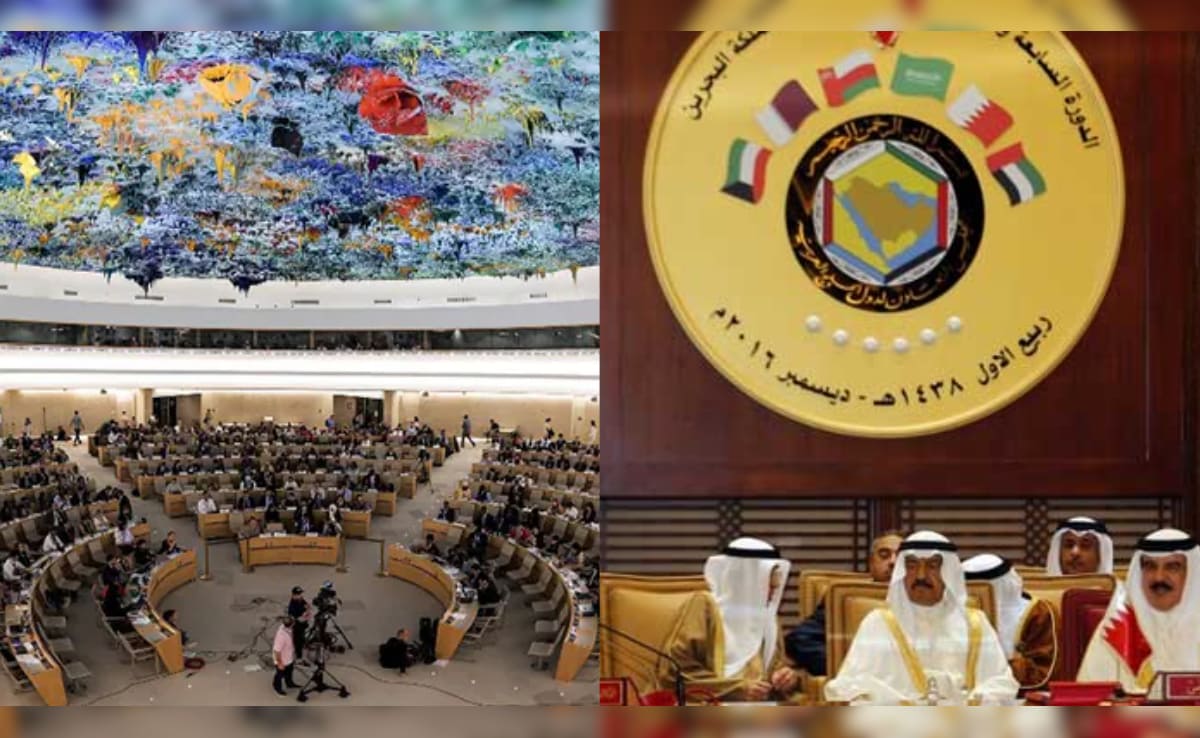
The diplomatic patience of the Gulf Cooperation Council (GCC) has officially run out. For years, the narrative surrounding Persian Gulf tensions focused on "de-escalation" and "backdoor channels." That era is over. In a blunt, coordinated move at the United Nations, Gulf states are no longer just asking for peace. They’re demanding cold, hard cash and a total cessation of hostilities. This isn't just about another resolution. It’s about a fundamental shift in how the Middle East handles state-sponsored disruption.
Gulf nations are tired of footrolling the bill for regional instability. When a drone hits a refinery or a missile disrupts a shipping lane, the economic fallout is immediate. Now, the demand for reparations at the UN marks a new legal front in a decades-long rivalry. They aren't just pointing fingers at Tehran anymore. They’re trying to create a financial consequence for every strike. For a different view, read: this related article.
The Financial Price of Regional Instability
Most people think these UN demands are purely symbolic. They aren't. By calling for reparations, the Gulf states are treating Iranian-backed strikes as a breach of international law that requires compensatory damages. Think of it like a massive civil lawsuit on a global stage. The cost of repairing infrastructure is one thing. The cost of spiked insurance premiums for oil tankers and the loss of foreign investment is another beast entirely.
The Saudi and Emirati delegations aren't playing around. They’ve brought data. We’re talking about billions of dollars in documented damage to energy infrastructure and civilian areas. Iran has long denied direct involvement in many of these attacks, usually blaming local proxies. But the Gulf’s new stance at the UN is clear. If the weapon is Iranian, the bill goes to Tehran. Related coverage on this matter has been shared by Al Jazeera.
It’s a smart move. It moves the conversation away from "religious conflict" and into the "international liability" bucket. When you talk about money, the world listens differently.
Why the UN Route Matters Right Now
You might wonder why they're bothering with the UN at all. The UN hasn't exactly been a powerhouse of enforcement lately. However, this isn't about getting a blue-helmeted army to march into Tehran. It’s about building a legal record.
By formally demanding reparations and a halt to strikes at the UN, Gulf states are:
- Isolating Iran Diplomatically: It forces neutral countries to pick a side on a clear-cut issue of sovereignty and property damage.
- Creating a Basis for Sanctions: If the UN acknowledges the right to reparations, it gives Western powers a stronger legal hook to maintain or increase economic pressure.
- Squeezing the Proxies: By holding the "patron" state financially responsible, the Gulf hopes to make it too expensive for Iran to keep its proxies well-supplied.
Honestly, the "proxy" excuse is wearing thin. Everyone knows where the tech comes from. The GPS coordinates, the internal circuitry, and the flight paths of these drones don't lie. The Gulf states are basically saying, "We have the receipts, and we want our money back."
The Shift from Defense to Legal Offense
For a long time, the Gulf strategy was purely defensive. They bought the best missile defense systems money could buy. They built walls. They stayed quiet to avoid "provoking" their neighbor. That didn't work. The strikes kept coming.
The new strategy is much more aggressive. It’s an offensive use of international law. By demanding Iran halt strikes immediately, they're setting a benchmark. If another strike happens tomorrow, the Gulf states can go back to the Security Council and say, "We told you so, and here is the updated bill."
It also signals a rare moment of total unity between Riyadh, Abu Dhabi, and Kuwait City. They're singing from the same songbook. That kind of alignment is rare and usually means something big is shifting behind the scenes. They’re done being the region’s deep-pocketed victims.
The Problem with "Plausible Deniability"
Iran’s favorite tool has always been plausible deniability. They provide the blueprints; someone else pulls the trigger. It’s a classic move. But the Gulf's demand for reparations targets the source of the hardware. If a missile made in a specific factory in Iran hits a target in the UAE, the Gulf states argue that the manufacturing state is liable, regardless of who pushed the button.
This logic is a nightmare for Tehran. If this legal precedent takes hold, Iran could face a mountain of debt that dwarfs its current economic struggles. It’s a high-stakes game of chicken. Iran needs the UN to stay neutral to keep its remaining trade partners happy. The Gulf is making that neutrality impossible.
What Happens if Iran Ignores the Demand
Let’s be real. Iran probably won't just write a check and say, "My bad." They’ll likely dismiss the UN demands as "imperialist pressure." So, what’s the point?
The point is the aftermath. This UN filing acts as a "Notice of Default" in the world of geopolitics. It sets the stage for the seizure of assets. If Iran has funds frozen in foreign banks, a UN-backed claim for reparations makes it much easier for Gulf states to lobby for those funds to be redirected to them. It’s a long game. It’s about making sure Iran never sees that frozen cash again.
It also puts pressure on China and Russia. Both countries want to stay on good terms with the oil-rich Gulf and the strategically located Iran. By bringing this to the UN, the Gulf states are forcing Beijing and Moscow to either support a "rogue" state’s right to destroy property or support the Gulf’s right to compensation. It’s an uncomfortable spot to be in.
The Immediate Impact on Regional Trade
You’re already seeing the effects. Shipping companies are watching these UN sessions closely. If the Gulf states succeed in framing this as a legal liability issue, it might actually stabilize the markets. Why? Because it introduces a predictable consequence for aggression.
Risk thrives on uncertainty. If the "rules of the game" change so that every strike costs the aggressor a billion dollars in seized assets, the math for launching that strike changes. The Gulf states aren't just complaining; they’re trying to change the economic formula of war in the Middle East.
Stop Expecting the Status Quo
The old Middle East is gone. The idea that the Gulf will just sit back and take hits while hoping for Western intervention is a fantasy. These countries are now leading the charge themselves. They’re using their own diplomatic weight, their own legal teams, and their own narrative.
The demand at the UN is a declaration of sovereignty. It’s a way of saying that the era of "shadow wars" is over. From now on, every shadow has a price tag attached to it.
If you're watching this situation, don't look for a military response. Look for the next round of legal filings. Look for which countries support the reparations claim. That’s where the real war is being fought.
The next step is for the international community to decide if it values the "territorial integrity" it always talks about or if it’s okay with state-sponsored vandalism. For the Gulf, the choice is already made. They’re going after the money. And in this part of the world, money talks louder than any resolution ever could.
Check the upcoming UN Security Council votes on regional security. Those votes will tell you exactly who is willing to hold Iran accountable and who is still trying to play both sides of the fence.