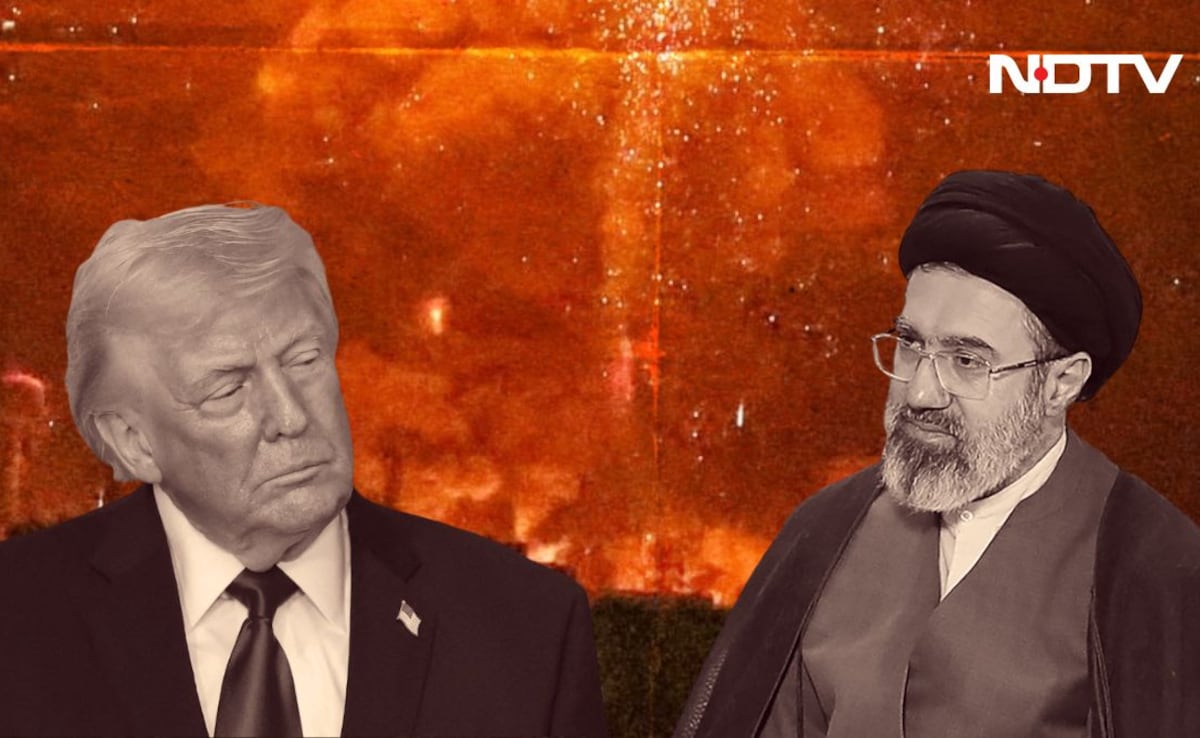
The headlines are bleeding with the same tired narrative: Iran "rejects" a US proposal. The mainstream media paints a picture of a defiant rogue state swatting away a benevolent olive branch. They want you to believe this is a story about diplomacy failing. It isn’t. This is a story about the total collapse of Western leverage and the emergence of a multi-polar reality that Washington is too terrified to acknowledge.
Stop looking at these "five conditions" as a list of demands. They are a victory lap. When a nation under decades of "maximum pressure" sanctions starts dictating the terms of a ceasefire to the world’s lone superpower, the power dynamic hasn't just shifted—it has flipped.
The Myth of the Benevolent Proposal
The common consensus is that the US offers "deals" to bring stability. This is a fundamental misunderstanding of geopolitical physics. Washington doesn't offer deals when it’s winning; it issues ultimatums. The very fact that a proposal was sent—reportedly through intermediaries like Oman or Qatar—signals that the current US strategy of containment is a hollow shell.
The "lazy consensus" suggests Iran is being unreasonable. But let’s look at the mechanics of the regional theater. Tehran isn't reacting to a proposal; they are pricing in the reality that the US is overextended, distracted by Eastern Europe, and paralyzed by an upcoming election cycle.
I’ve watched analysts for years claim that "crippling sanctions" would force a collapse or a total surrender. They missed the nuance. Sanctions didn't kill the Iranian economy; they forced it to build a "resistance economy" that is now deeply integrated with China and Russia. You cannot bridge a gap with a country that has already built a different bridge to a different continent.
The Five Conditions Are Not a Negotiation
When reports surface that Iran has laid down five specific conditions—ranging from the total withdrawal of "foreign forces" to guaranteed non-intervention—they aren't starting a haggling session. They are stating their price for allowing the US to exit the region with its dignity intact.
The logic here is simple: Why would Tehran accept a US-led peace plan when the status quo favors them?
- The Proxy Network is Intact: From the Levant to the Gulf of Aden, the "Axis of Resistance" operates with a level of autonomy that makes traditional state-to-state diplomacy irrelevant.
- Energy Leverage: Despite every attempt to shut them out, Iranian barrels are moving.
- Strategic Depth: The US is playing a game of checkers on a board where Iran has already moved to 3D chess via its partnership with the BRICS bloc.
If you think these conditions are a "rejection," you’re asking the wrong question. The question isn't "Why won't Iran agree?" The question is "What can the US actually do if they don't?" The answer, increasingly, is nothing.
Dismantling the "Stability" Argument
"People Also Ask" online if these rejections lead to a higher risk of regional war. That premise is flawed because it assumes we aren't already in one. We are witnessing a high-intensity shadow war where the US is trying to use 1990s diplomacy to solve 2020s kinetic problems.
The status quo media calls Iran's stance "provocative." I call it logical. If you were the Iranian leadership, why would you trust a US proposal when the last major agreement—the JCPOA—was shredded the moment a new administration took office? Trust is a commodity the US spent decades ago. In the vacuum of trust, you don't negotiate for "peace"; you negotiate for "position."
The China Factor: The Elephant in the Room
Every mainstream article ignores the true architect of this defiance: the $400 billion, 25-year strategic pact between Tehran and Beijing. Iran isn't rejecting the US because they are stubborn; they are rejecting the US because they have a better offer.
When China brokered the Saudi-Iran rapprochement, it didn't just move some diplomatic pieces. It deleted the US "security guarantor" software from the regional hard drive. Now, when the US brings a proposal to the table, it’s like trying to run Windows 95 on a quantum computer. It’s not that the software is "bad"—it’s that it’s obsolete.
The Brutal Truth About "Conditions"
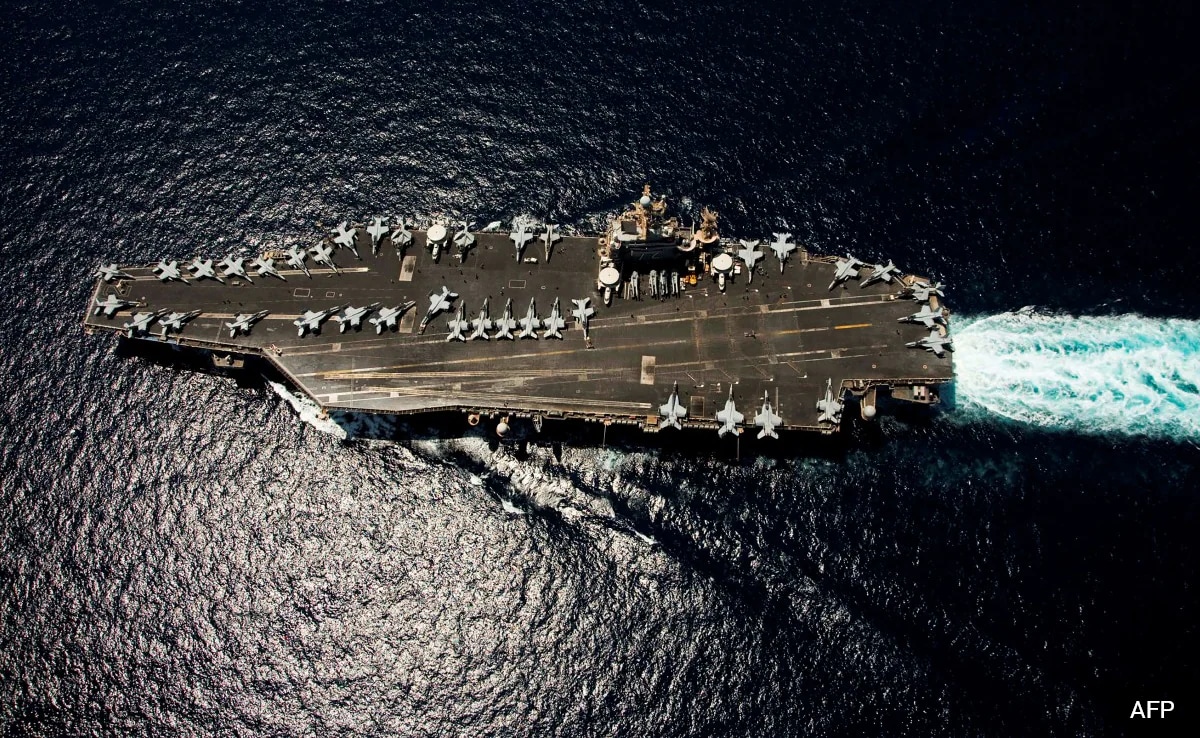
Let’s look at the "withdrawal of foreign forces" condition. To a DC think-tanker, this is a non-starter. To a regional realist, it’s an inevitability. The US presence in Iraq and Syria is increasingly a liability—a series of static targets for drone tech that costs $500 to build and $2 million to intercept.
Iran knows this. Their "conditions" are simply a request for the US to acknowledge the reality on the ground. It is an invitation to accept a managed decline rather than a chaotic exit.
The Failure of "Maximum Pressure"
I’ve seen bureaucracies waste billions on the idea that if you just squeeze a regime hard enough, it will eventually say "uncle." It’s a fallacy. Squeezing a sophisticated state like Iran doesn't break them; it hardens them. It forces technological innovation. It creates new supply chains.
The US proposal wasn't a show of strength. It was a tactical admission that the pressure has hit a point of diminishing returns. You don't offer a deal to a "failed state." You offer a deal to a peer competitor that you can no longer contain.
Why the "Experts" are Wrong
Most analysts will tell you that Iran is "isolated."
Look at the data:
- Iran is a full member of the Shanghai Cooperation Organisation (SCO).
- They are now part of BRICS+.
- Their drone and missile tech is being battle-tested and exported.
Isolation is a Western fantasy. In the real world, the "Global South" is looking at Iran’s defiance as a blueprint. If you can survive the full weight of the US Treasury and still dictate terms for a ceasefire, you haven't lost. You've won.
Stop Trying to "Fix" the Middle East
The US obsession with being the "broker" of every peace deal is the root of the problem. By inserting itself into every friction point, Washington becomes the common enemy that unites disparate factions.
The contrarian move? Stop proposing. Start listening. The five conditions laid down by Tehran aren't a wall; they are a mirror. They reflect exactly how much power the US has actually lost in the region while the beltway was busy patting itself on the back for "holding the line."
The US doesn't need a better proposal. It needs a better understanding of its own limitations. Iran isn't rejecting peace; they are rejecting the US's right to define what peace looks like.
The era of the American-led "regional order" didn't end with a bang or a spectacular defeat. It ended with a five-point memo from a country that was supposed to be on its knees.
Pack your bags or pay the price.
There is no third option.