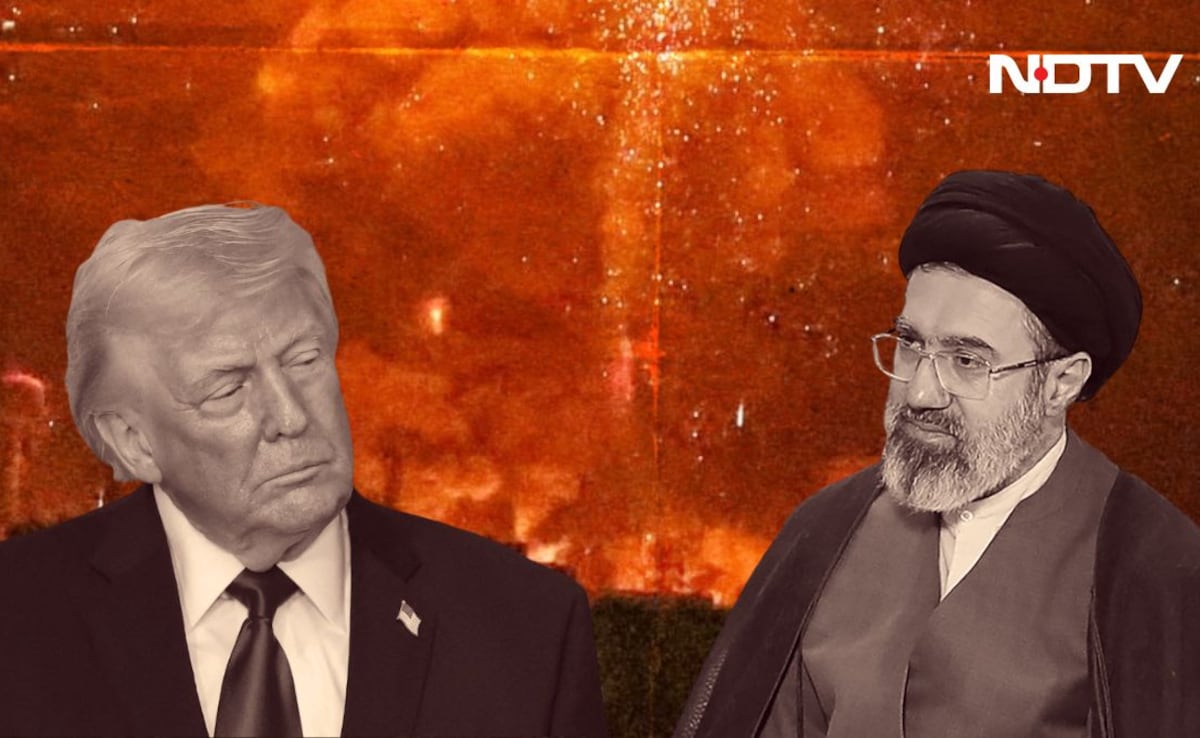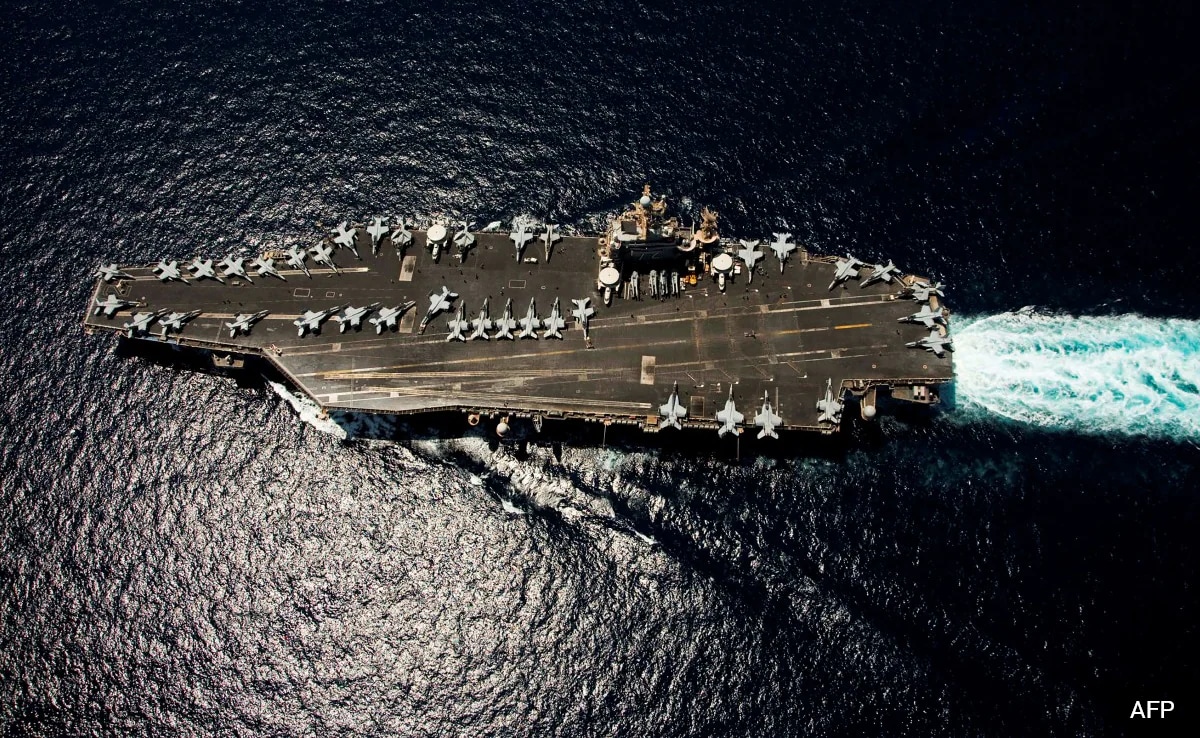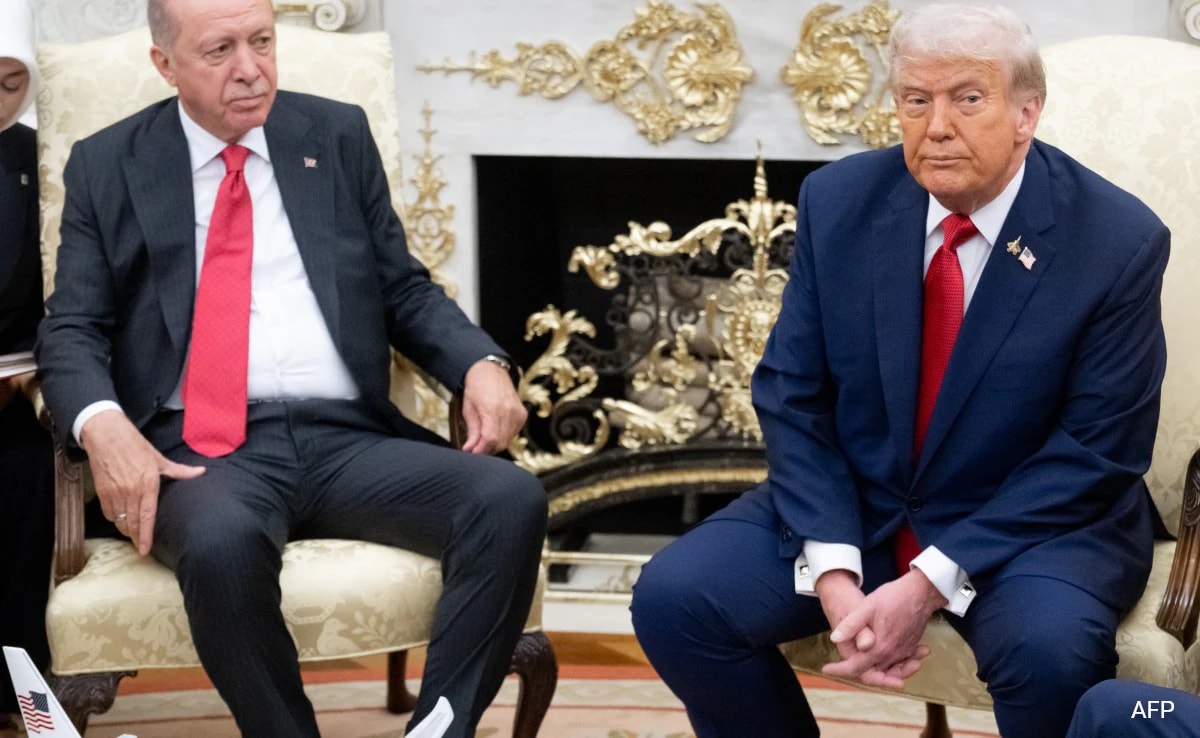
The prospect of a diplomatic off-ramp for the escalating conflict between Washington and Tehran has shifted from the quiet shores of Oman to the high-stakes corridors of Ankara. Pakistan and Turkey have emerged as the primary contenders to host a potential ceasefire summit, according to senior Iranian officials. This development follows a 15-point framework proposal delivered by Islamabad on behalf of the Trump administration. While Tehran continues to publicly scoff at the notion of negotiations amidst ongoing Israeli and US airstrikes, the reality on the ground—characterized by a battered Iranian energy sector and a looming humanitarian crisis—is forcing a pragmatic reassessment. Turkey is no longer just a bystander; it is the only mediator with the geographic and political leverage to prevent a regional implosion.
The Failure of the Omani Backchannel
For decades, the Sultanate of Oman served as the reliable "quiet room" for US-Iran relations. It was the birthplace of the 2015 nuclear deal and the site of numerous prisoner swaps. However, that era of Muscat-led diplomacy has effectively collapsed under the weight of the 2025-2026 hostilities.
The primary reason for this shift is the sheer scale of the current military confrontation. Unlike previous friction points, the "Operation Epic Fury" strikes and subsequent Iranian retaliations have moved beyond symbolic gestures. When US and Israeli forces targeted Iranian nuclear sites in June 2025, and again in March 2026, they didn't just hit centrifuges; they destroyed the foundational trust that Omani neutrality was built upon.
Tehran now views Oman as too susceptible to US pressure or simply too small to provide the security guarantees required for a high-level summit. The Trump administration, conversely, has expressed frustration with the slow pace of Omani mediation. They are looking for a venue that brings more to the table than just a conference room—they want a partner that can actually enforce a deal.
Why Ankara Holds the Strongest Hand
Turkey enters this vacuum not as a disinterested third party, but as a neighbor with everything to lose. President Recep Tayyip Erdoğan has framed the conflict as an "existential threat" to Turkish stability, and for once, the rhetoric matches the reality.
The Refugee Shadow
Ankara’s primary driver is not ideological; it is demographic. Turkey already hosts approximately 3.6 million Syrian refugees. The prospect of an Iranian state collapse or a prolonged "scorched earth" campaign by the US and Israel threatens to send millions of Iranians across the 332-mile shared border. For the Turkish security apparatus, a mediation role is a defensive necessity. They are quite literally negotiating to keep their borders closed.
Energy Interdependence
The economic ties are equally binding. Turkey remains heavily dependent on Iranian natural gas, which accounts for roughly 15% of its supply. With a major pipeline agreement set to expire in mid-2026, Ankara cannot afford for Tehran to be in a state of total war or under a complete energy blockade. By hosting the talks, Turkey positions itself to secure its own energy future while acting as the primary broker for "gas-for-peace" swaps.
NATO Credentials and Iranian Trust
Turkey occupies a unique geopolitical niche. It is a NATO member that houses US power projection capabilities at Incirlik, yet it has consistently refused to participate in direct military action against Iran. This "cooperative rivalry" with Tehran allows Turkish Foreign Minister Hakan Fidan to speak a language of pragmatism that Western diplomats cannot.
The 15-Point Proposal and the Russian Factor
The specific proposal currently circulating, delivered via Pakistan, involves a tiered ceasefire-first approach. It reportedly demands that Iran surrender its remaining stockpile of highly enriched uranium—estimated at over 400 kilograms of 60% material—in exchange for a verified halt to US and Israeli strikes on energy infrastructure.
A critical, overlooked element of the Turkish bid is the proposal to involve Russia as a co-guarantor. By bringing Moscow into the fold, Turkey aims to create a "Eurasian Shield" for the agreement. This would provide the Iranian leadership with the face-saving "security guarantee" they demand: the assurance that a deal won't simply be torn up by the next administration or ignored by Israeli hawks.
The Brutal Reality of the Negotiating Table
We should be clear: these are not "peace talks" in the traditional sense. They are surrender negotiations disguised as regional stabilization. The Trump administration’s demand for "zero enrichment" remains a massive hurdle. Tehran, meanwhile, is demanding compensation for billions of dollars in lost oil revenue and infrastructure damage—a non-starter for a Washington administration focused on "maximum pressure."
Furthermore, Israel remains the wildcard. The Netanyahu government has shown little interest in a ceasefire that leaves any part of the Iranian nuclear or missile infrastructure intact. Turkish diplomats are currently working to build a "unified front" with Saudi Arabia and Egypt to counterbalance this Israeli influence, arguing that a total Iranian collapse would ignite a regional fire that no one can extinguish.
The Islamabad Alternative
While Turkey is the strategic choice, Pakistan remains a viable backup. Islamabad’s involvement is largely a result of its traditional role as a messenger for the Gulf monarchies and its own desire to avoid a sectarian spillover. However, Pakistan lacks the economic and institutional weight of Turkey. If the talks move to Islamabad, they will likely be lower-level, technical discussions. If they move to Istanbul or Ankara, it signals that the principals—Trump and the Iranian leadership—are ready to sign something.
The clock is ticking toward a mid-2026 energy crisis and a potential ground escalation. The shift toward Turkey as a venue is the first sign of real-world gravity asserting itself over the idealism of "maximum pressure" and the defiance of the "Axis of Resistance."
Ask me to analyze the specific impact of the 2026 Iranian pipeline expiration on Turkey's mediation leverage.